
Creating a supportive structure for vines is essential for healthy plant growth and maximizing garden yield. This DIY project provides an innovative and cost-effective solution using wooden clothespins and another common yard item. These simple, homemade vine-training support clips can be used to guide and support a variety of climbing plants, ensuring they receive adequate sunlight and air circulation, which is particularly useful during the growing seasons of spring and summer.
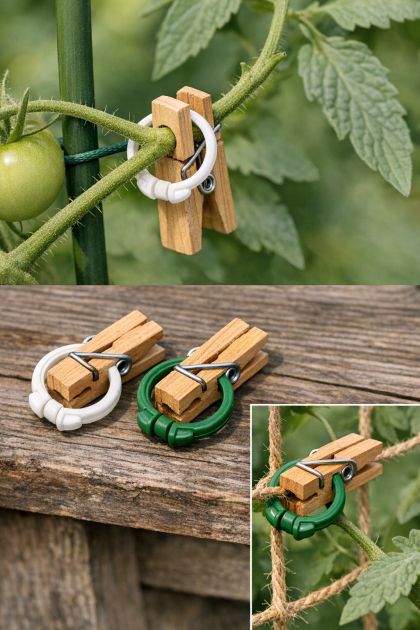
These DIY vine-training support clips can seamlessly integrate into various garden styles. For a rustic garden, use natural wooden clothespins to complement the earthy tones. In a modern garden, consider painting the clips in a uniform color to match a sleek aesthetic. These clips are perfect for supporting vegetables like tomatoes and cucumbers in raised beds, or for training flowering vines such as clematis or morning glory along a garden fence.
2-Material Vine-Training Support Clips
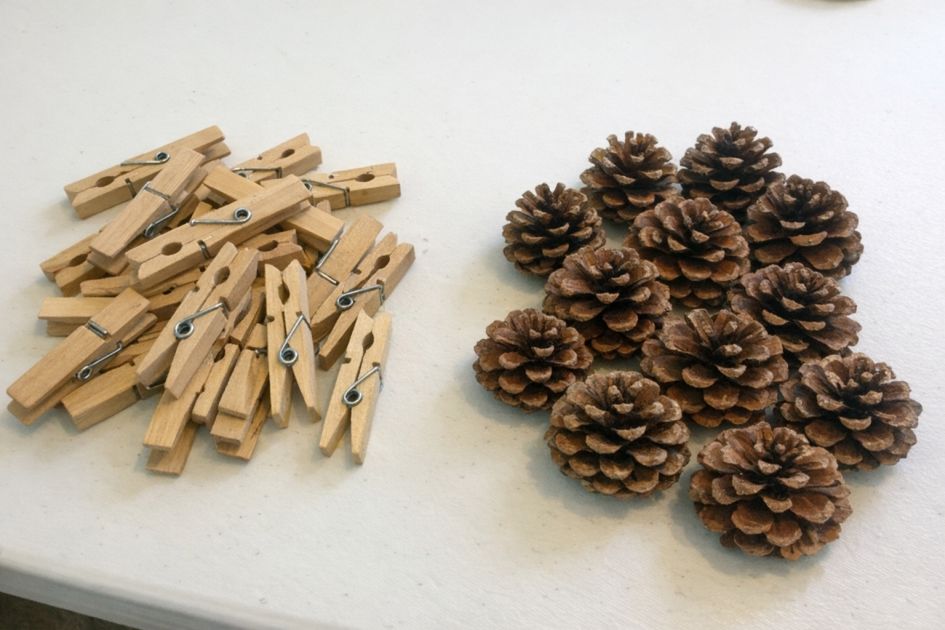
Materials
Wooden clothespins (10 pieces)
Strong garden twine or wire (1 spool)
Dark brown liquid (such as brewed coffee or tea, 1 cup)
Directions
1. Fill a white ceramic bowl with the dark brown liquid, ensuring it can fully submerge the clothespins.
2. Place the wooden clothespins into the bowl and let them soak for at least 30 minutes. This will help to add a rustic, aged look to the wood.
3. Remove the clothespins from the liquid and allow them to dry completely on a towel.
4. Cut the garden twine or wire into 8-10 inch lengths, depending on the size of your plants.
5. Attach one end of the twine or wire to the spring mechanism of the clothespin, ensuring it is secure.
6. Use the clothespins to gently clip onto the vine stems of your plants, and tie the other end of the twine or wire to a support structure such as a trellis or garden stake.
7. Adjust the tension of the twine or wire as necessary to ensure the plant is supported without being damaged.
Variations & Tips
For a more colorful garden, consider painting the clothespins in bright, weather-resistant colors before use. If you live in a windy area, opt for using a stronger wire instead of twine to provide more stability. In tropical climates, use bamboo clothespins for added durability against humidity. For specific plant needs, adjust the length of the twine or wire to accommodate varying growth patterns, such as longer lengths for climbing roses or shorter for peas.