
Transform broken crayons into vibrant plant marker stakes for your garden. This creative DIY not only recycles old crayons but also incorporates two unexpected materials to create durable and colorful markers that help identify your plants. The result is a functional and visually appealing addition to any garden space, providing both practicality and a touch of whimsy.
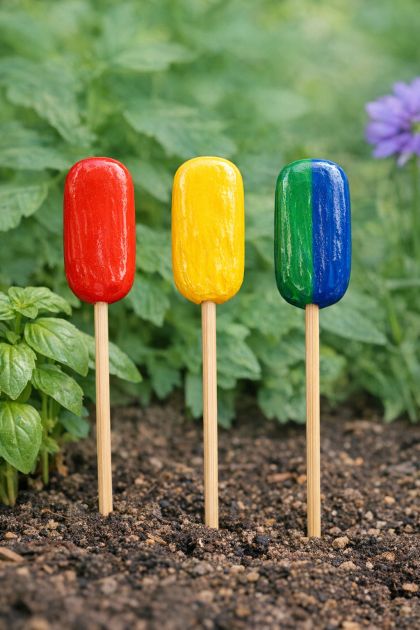
These plant marker stakes add a pop of color to your garden beds. Arrange them evenly throughout your vegetable or flower garden for a cohesive look. Their bright hues can complement the greenery of plants, while the sturdy material ensures they withstand outdoor elements. Ensure the colors coordinate or contrast with your garden's natural palette for the best visual effect.
Vibrant Crayon Garden Marker Stakes
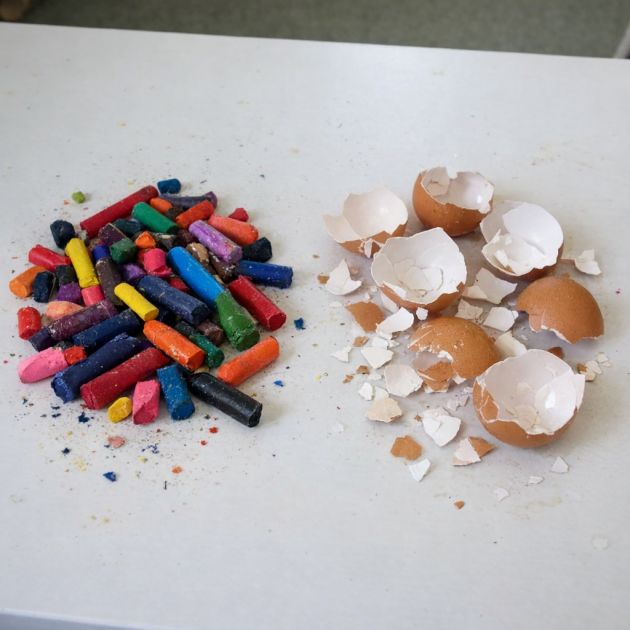
Materials
Assorted broken crayons (red, yellow, green, blue)
2 tablespoons of cornstarch
2 tablespoons of silicone mold-making compound
Wooden skewers (6 inches long)
Parchment paper
Old saucepan
Mixing bowl
Oven mitts
Directions
Preheat your oven to 200°F (93°C).
Place assorted broken crayon pieces on a sheet of parchment paper on a granite countertop, sorting them by color.
Melt the crayons in an old saucepan over low heat, stirring until completely liquefied.
In a mixing bowl, combine the melted crayons with 2 tablespoons of cornstarch, stirring until fully integrated.
Add 2 tablespoons of silicone mold-making compound to the mixture, and stir well to create a smooth, thick paste.
Line a baking sheet with parchment paper and place wooden skewers evenly spaced.
Carefully pour the crayon mixture over the top half of each skewer, forming a shape like a small, elongated paddle.
Allow the markers to cool and harden completely on the parchment paper.
Once cooled, label each stake with a permanent marker, noting the plant it will mark.
Variations & Tips
For a more personalized touch, consider using silicone molds in fun shapes like leaves or flowers for the crayon tops. You can also experiment with mixing different crayon colors to create unique shades or patterns. Additionally, using glow-in-the-dark crayons can add a whimsical effect for nighttime gardens, helping to identify plants even after the sun goes down.