
This DIY project transforms torn cardboard egg cartons into durable, waterproof backyard structural pieces by soaking them in hot wax with a secret ingredient. This technique not only repurposes waste materials but also provides a sustainable solution for outdoor decor, ensuring that the pieces are weather-resistant and long-lasting. The result is a functional and eco-friendly addition to your garden, perfect for those who enjoy crafting unique outdoor elements at home.
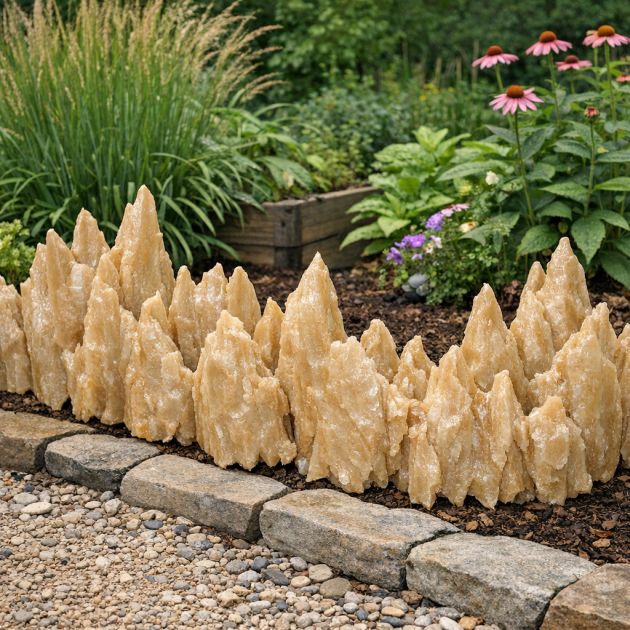
The finished DIY pieces should be styled as part of a rustic or natural-themed garden. Their earthy tones and organic texture will complement greenery and can be used as planters or decorative borders. Pair these wax-dipped creations with stone pebbles or wooden elements to enhance a cohesive, natural aesthetic. Their waterproof nature makes them suitable for a variety of outdoor applications, adding both form and function to your backyard design.
Wax-Dipped Cardboard Garden Structures
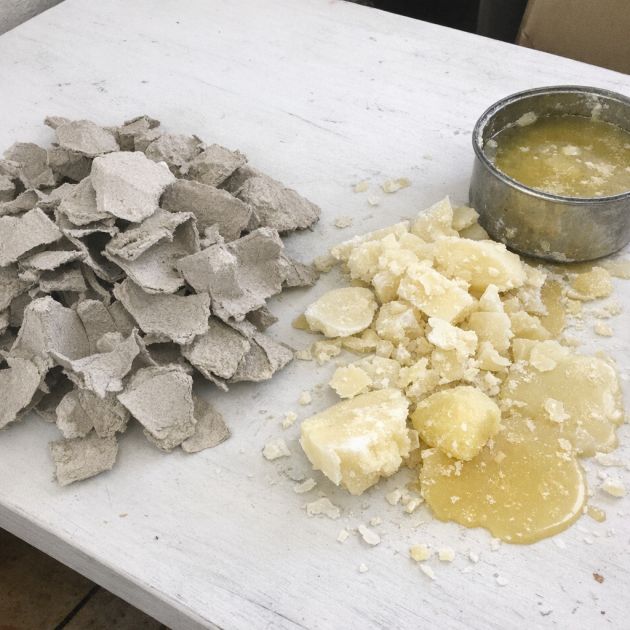
Materials
Torn cardboard egg cartons (quantity based on desired size)
Paraffin wax (3 lbs)
Secret ingredient: Borax (1 cup)
Shallow pan for melting wax
Heat source (such as a stove or hot plate)
Beige drop cloth for workspace
Directions
1. Tear the cardboard egg cartons into jagged pieces, ensuring varied sizes for a natural look.
2. Spread a beige drop cloth over your workspace to catch any drips.
3. In a shallow pan, melt the paraffin wax on a low heat source until fully liquid.
4. Stir in the Borax, the secret ingredient, to the melted wax to enhance the waterproofing and durability of the cardboard.
5. Carefully dip each piece of torn cardboard into the hot wax, ensuring it is fully submerged and soaked. Use tongs or similar tools to avoid burns.
6. Allow the excess wax to drip off before placing the wax-dipped pieces on the drop cloth to cool and harden.
7. Once completely cooled, arrange your wax-dipped cardboard pieces in your garden, either stacking them to create structures or laying them out as decorative borders.
Variations & Tips
For additional variation, consider adding natural pigments to the wax for a range of earthy colors. You can also experiment with arranging the pieces in various patterns or heights to create more complex structures, such as small walls or tiered planters. Another option is to embed small decorative stones or shells into the wax before it hardens to add texture and visual appeal. These modifications maintain the core structure and functionality while allowing for personalized creativity.