
Explore the transformative potential of seemingly mundane dryer lint by combining it with two unexpected liquids to create a durable and versatile solid. This project not only repurposes waste but also results in a material that can be used for creative home decor or functional items. The process is simple yet innovative, offering a sustainable solution and encouraging creativity.
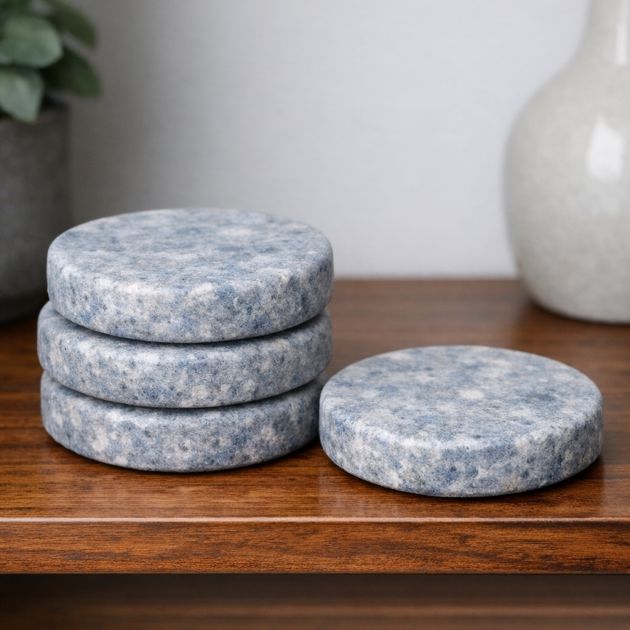
Once completed, this DIY project can be styled in a modern, minimalist home as a decorative paperweight or interesting sculptural piece. Its muted tones will complement neutral color palettes, and it can be placed on a coffee table, bookshelf, or office desk as a conversation starter. Pair it with other natural materials like wood or stone for a cohesive aesthetic.
Durable Dryer Lint Stone
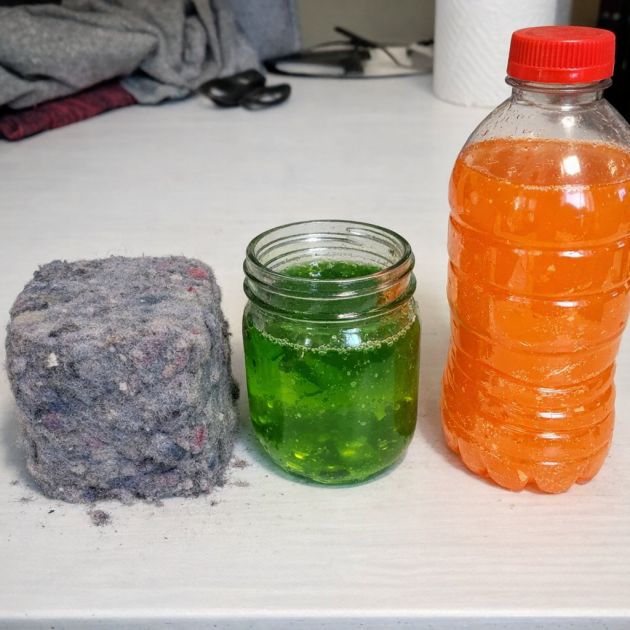
Materials
2 cups of tightly compressed dryer lint
1 cup of water
1/2 cup of white glue
1/4 cup of liquid starch
3 shallow metal tins (approximately 4 inches in diameter)
A mixing bowl
A heavy object for compressing (like a small brick or heavy book)
Directions
Collect 2 cups of tightly compressed dryer lint and place it into a mixing bowl.
Add 1 cup of water to the lint and let it soak for 5 minutes, ensuring it is completely saturated.
Mix in 1/2 cup of white glue and 1/4 cup of liquid starch, stirring until the mixture is uniformly combined.
Divide the mixture evenly among the three shallow metal tins.
Use a heavy object to press down firmly on the mixture in each tin, ensuring maximum compression.
Allow the tins to sit undisturbed for 24 hours to ensure the mixture sets and dries completely.
Carefully remove the solidified dryer lint from each tin, revealing your durable creations.
Variations & Tips
For a more colorful variation, consider using dryer lint from a variety of laundry loads to introduce different hues into the final product. Additionally, you can experiment with adding natural pigments or small decorative elements like dried flowers or glitter to the mixture before compressing. These variations can add a unique personal touch while maintaining the project's core structure and purpose.