
I’ll admit, the first time I heard someone say they hang a mesh bag of eggshells in the garden, I pictured one of those odd little country tricks that sounds charming but doesn’t do much. But if you cook at home the way I do, you know how quickly eggshells pile up, and this habit actually makes a lot more sense once you understand what it’s really for.
The bag itself isn’t the magic part. The real value is that it gives you an easy way to dry, store, and gradually use eggshells where they can help most over time. If you’ve been curious about this garden hack, here’s why gardeners do it, what eggshells can realistically do, and how I’d use them in a practical, no-fuss way.
1. It gives you a tidy place to dry and store shells before using them
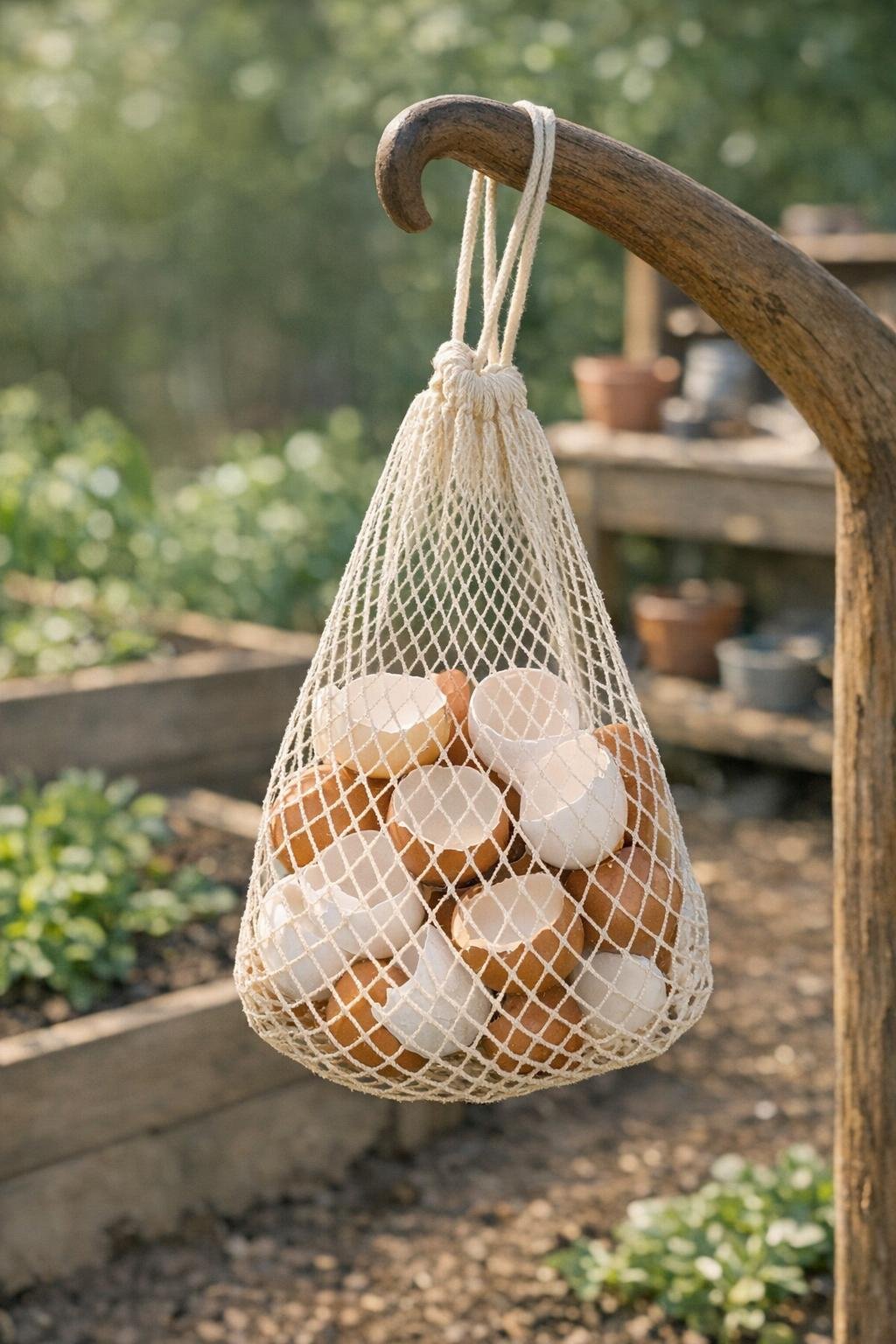
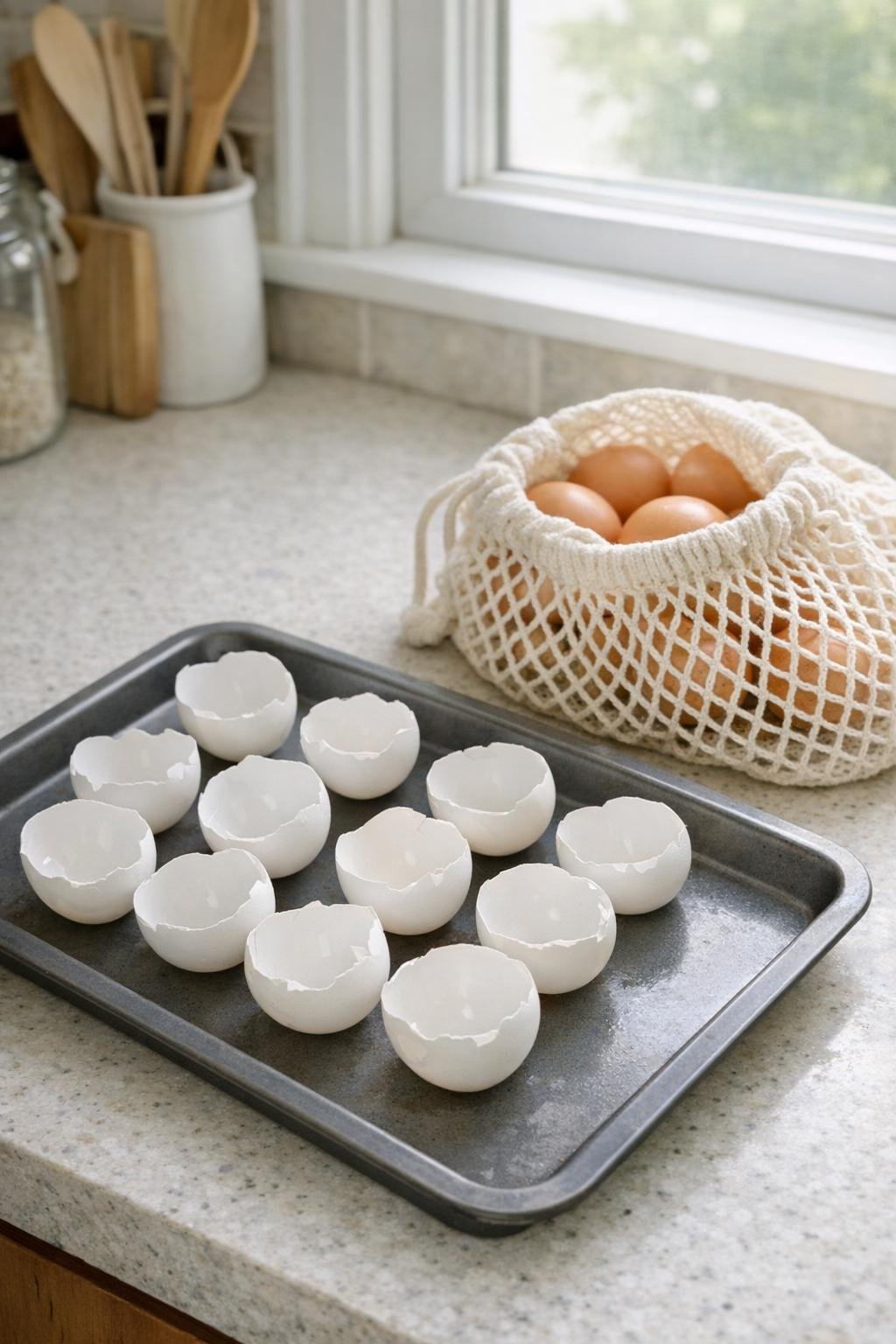
A mesh bag works like a holding station for eggshells. After I crack eggs for breakfast or baking, I rinse the shells, let them drain, and drop them into a small mesh produce bag or onion bag. Hanging it on a fence post, potting bench hook, or shed nail keeps the shells off the counter and lets air circulate so they dry out instead of getting musty.
This matters more than people think. Wet shells in a sealed bowl can smell unpleasant within a day or two, especially in warm weather. A breathable bag outdoors or in a dry garage is a simple way to collect 2 to 4 dozen shells over a couple of weeks before crushing them and putting them to work.
2. It helps you turn kitchen scraps into a slow, useful soil amendment
Eggshells are mostly calcium carbonate, which means they can contribute calcium to the garden eventually. The key word is eventually. Unlike a fast-dissolving fertilizer, shells break down slowly, especially if they’re left in large pieces, so this is more of a season-long or even year-long soil-building habit than a quick fix.
That’s one reason I like the bag method: I can save shells steadily, then crush them and add a handful here and there to beds, containers, or compost. If you garden every year, these little additions add up. It’s not dramatic overnight improvement, but it is a steady way to support your soil with something you were going to throw away anyway.
3. Crushed shells are easier to use and break down better than whole halves
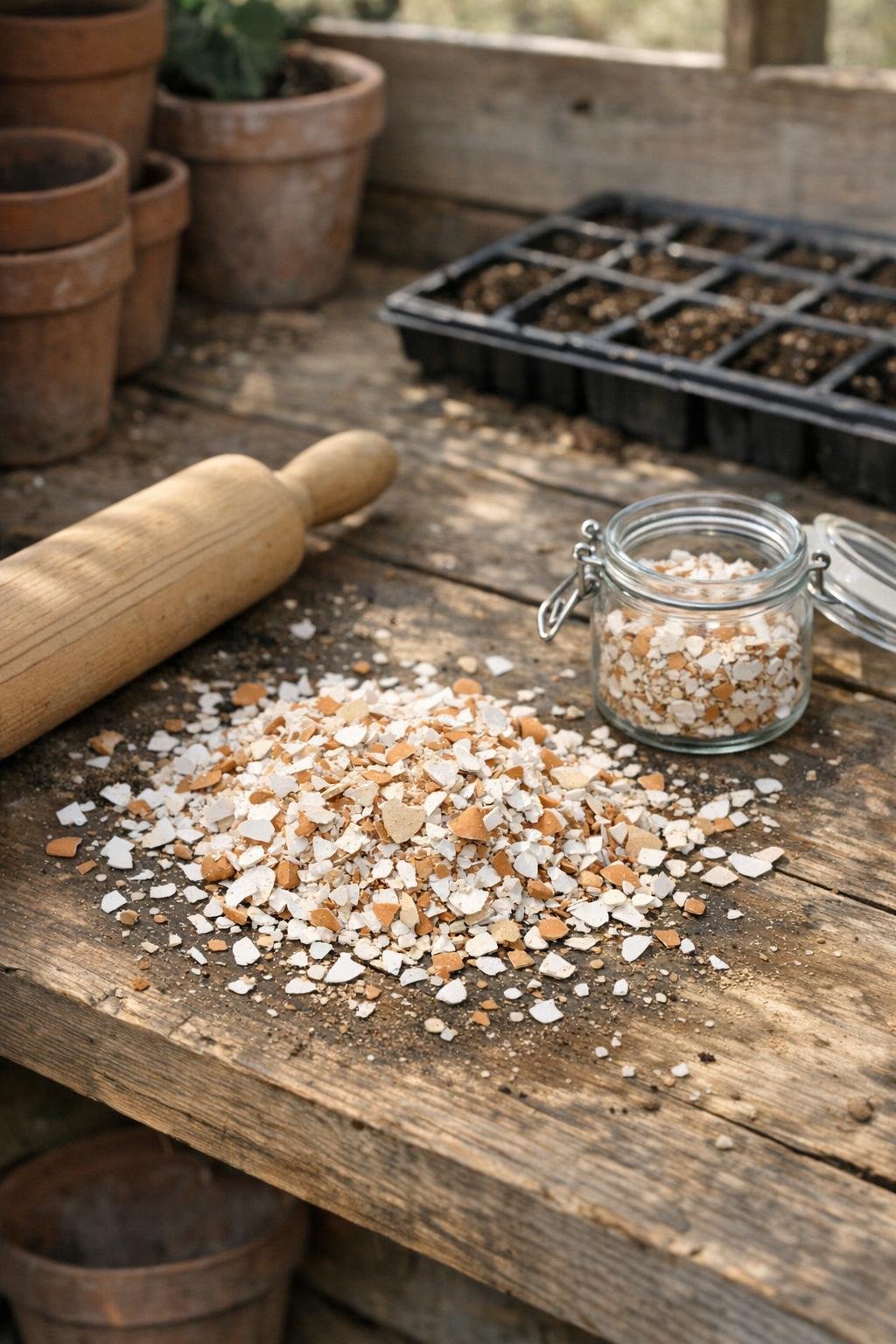
If you hang whole shells in a bag, that’s fine for storage, but I wouldn’t stop there. Once they’re dry, crush them with your hands, a rolling pin, or the bottom of a jar. Pieces about the size of coarse gravel or smaller are much easier to sprinkle around plants, and they break down faster than full shell halves.
For an even finer texture, you can pulse dried shells in a food processor or coffee grinder you use for garden materials. I like to make enough to fill a 1-cup jar at a time. Then I can mix a few tablespoons into transplant holes, stir some into compost, or scratch a thin layer into the top inch of soil around heavy-feeding vegetables.
4. They’re most useful around tomatoes, peppers, and eggplants
When gardeners talk about eggshells, they’re usually thinking about crops that appreciate steady calcium in the soil, especially tomatoes, peppers, and eggplants. I like to work 2 to 4 tablespoons of finely crushed shells into the planting area for each transplant, especially in raised beds where I’m growing the same summer vegetables year after year.
That said, eggshells are best as part of your overall soil routine, not your only plan. Healthy watering habits matter just as much for these plants, because calcium problems often show up when moisture is uneven. In my own garden, I pair crushed shells with compost and regular deep watering, and that combination tends to be far more reliable than relying on one homemade trick alone.
5. Hanging the bag reminds you to use shells in compost, beds, or pots
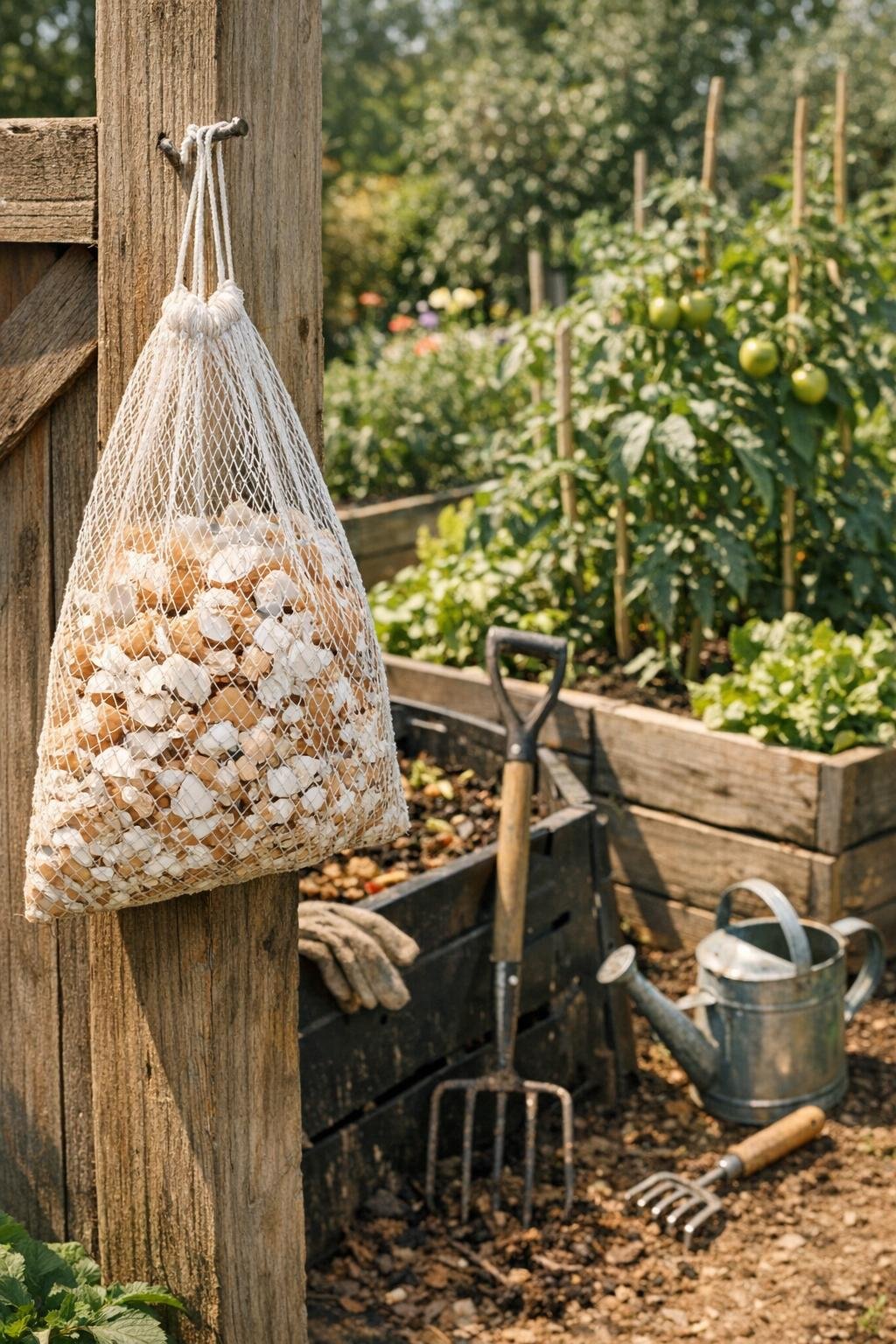
One practical benefit I really appreciate is that a visible bag becomes a reminder. If I tuck eggshells away in a container under the sink, I forget them. If they’re hanging by the garden gate or beside the potting table, I’m much more likely to grab a handful and use them when I’m planting, turning compost, or topping up containers.
You can split one bag’s worth three ways: add some to your compost pile, mix some into garden beds, and save some for large patio pots. A good starting amount is about 1/4 to 1/2 cup of crushed shells per 18-inch container or a light scattering over 4 to 6 square feet of bed. It’s a modest addition, but it’s easy to keep up with through the season.
6. It cuts down on kitchen waste in a simple, everyday way
I’m always looking for small ways to waste less, especially with food prep. If your household uses a dozen eggs a week, that’s more than 50 shells in a month that can be redirected from the trash. Hanging them to dry before using them in the garden is a very simple habit, but it turns a routine kitchen leftover into something practical.
This is one of those garden habits I love because it doesn’t require buying anything fancy. A reused mesh citrus bag works just fine, and one minute of rinsing after breakfast is usually enough. For families trying to stretch the grocery budget and make mealtime do double duty, that feels like a win to me.
7. Birds may peck at the shells, but that should be a bonus, not the main goal
Some gardeners notice that birds show interest in clean, dried eggshells, especially in spring. If that happens in your yard, it can be a nice side benefit. The important word here is clean. Shells should be rinsed well and fully dried first, and many gardeners prefer to crush them before offering them anywhere birds might reach them.
I wouldn’t hang a bag of dirty shells expecting it to become a bird feeder, because that can create more mess than help. But if a few local birds investigate a tidy bag or peck at crushed shells you’ve set aside while gardening, that’s perfectly believable. Think of it as an occasional extra, not the reason to start saving shells.
8. They are not a miracle fix for slugs and snails
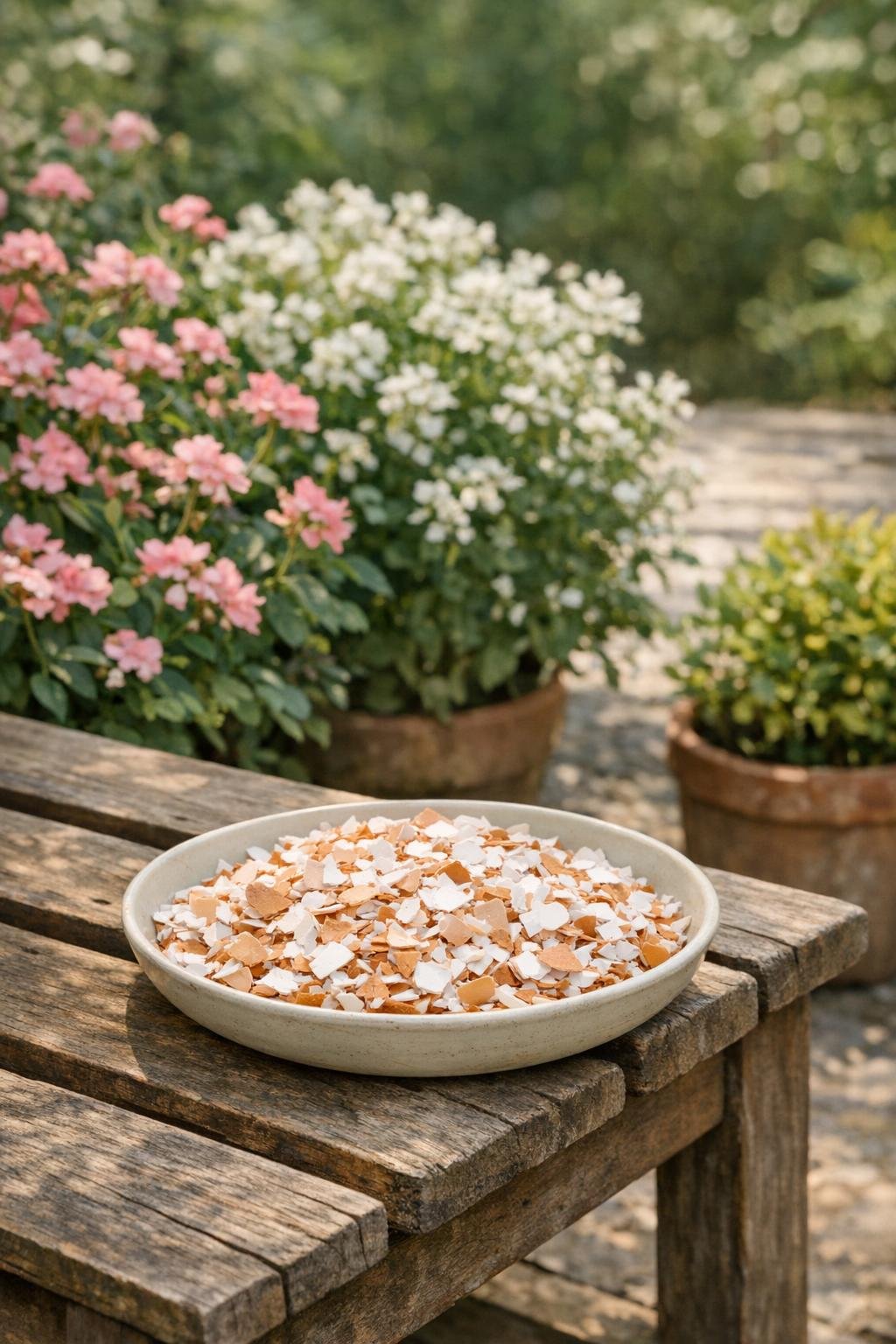
This is the part I think deserves the most honesty. You’ll often hear that a ring of eggshells will stop slugs and snails cold, but in real gardens the results are mixed. Large, jagged shell pieces may slow a few pests for a short time, especially right after you spread them thickly, but they usually don’t provide dependable protection once they get wet, settle into the soil, or break down.
If slugs are a serious issue, I’d use eggshells only as a small supporting step, not the whole strategy. Hand-picking at dusk, reducing damp hiding spots, watering in the morning, or using appropriate slug controls tend to matter more. I’d rather gardeners know the truth than waste a whole season hoping a thin sprinkle of shells will do the heavy lifting.
9. Clean, dry shells are the safest and easiest ones to keep
If you try this, skip greasy or food-coated shells. Shells from buttery scrambled eggs or anything left unwashed can attract pests and start to smell, especially in summer heat. I always give mine a quick rinse, then let them air-dry completely before they go into the bag. If I’m in a hurry, I’ll spread them on a tray for a few hours first.
You can also dry them in a barely warm oven for about 10 minutes at around 200°F if you want them crisp and ready to crush. Once dry, they’re much easier to handle and far less messy. In other words, the mesh bag trick works best when it’s part of a clean routine, not just a place to toss whatever came out of the frying pan.
If you ask me, hanging a mesh bag of eggshells in the garden is worth doing not because it’s a miracle cure, but because it’s a smart little system. It keeps shells dry, cuts waste, and makes it easy to use them where they can actually help over time.