
Every August, I get the same little burst of optimism in my kitchen and on my patio: this is the month when a lot of my favorite plants are still growing hard, stems are mature enough to handle a trim, and there’s still plenty of warm weather left for roots to form before fall. If you’ve been meaning to make more plants without spending more money, cuttings are one of the easiest ways to do it. I love being able to snip one healthy stem and turn it into two or three future pots for my windowsill, porch, or to hand off to a friend.
Because I work full-time, I’m always looking for low-fuss projects I can start in 15 minutes on a weeknight, and plant propagation fits that perfectly. The 10 plants below are some of the easiest cutting candidates to tackle in August, whether you root them in water, potting mix, or a jar tucked near a bright window. I’m sharing the ones that tend to root reliably, what kind of cutting to take, and the little details that make the process smoother.
1. Pothos
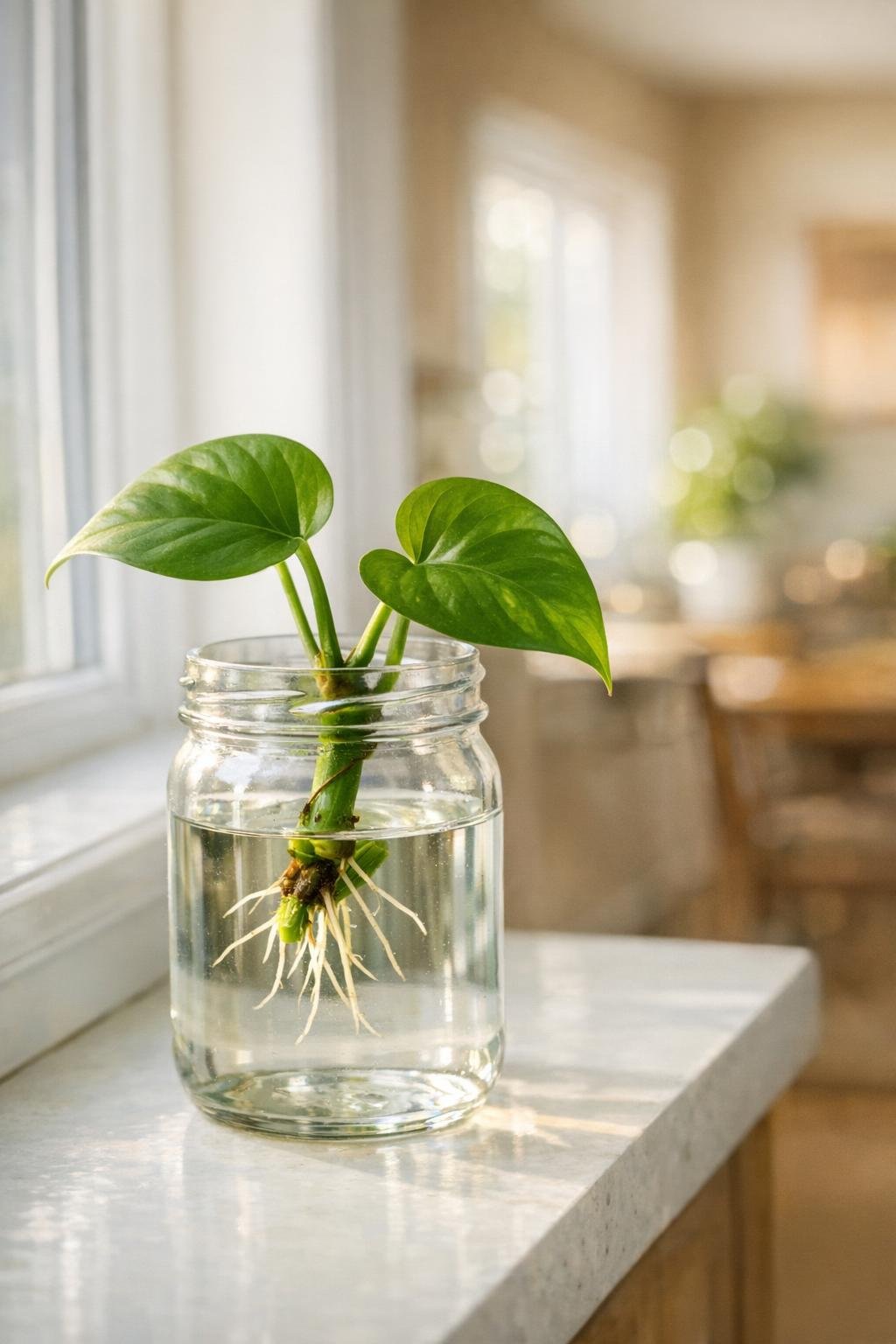
Pothos is probably the plant I recommend most to beginners because it almost seems determined to root. Look for a vine with 4 to 6 leaves and cut about 1/4 inch below a node, which is the little bump where a leaf and aerial root meet the stem. Remove the bottom 1 or 2 leaves and place the node in a small glass with 2 to 3 inches of water, or tuck it into a 3-inch nursery pot filled with damp potting mix.
In August warmth, I usually see roots start in 7 to 14 days if the cutting sits in bright, indirect light. Change the water every 3 or 4 days if you’re using a jar, and wait until roots are at least 1 to 2 inches long before potting up. I’ve started pothos cuttings on my kitchen counter while making dinner, and it’s one of those tiny wins that makes the whole room feel greener for almost no effort.
2. Heartleaf philodendron
Heartleaf philodendron behaves a lot like pothos, which is great news if you want fast results. Take a 4- to 5-inch stem cutting with at least 2 nodes, strip off the lowest leaf, and place one node in water or moist potting mix. If your plant has gotten leggy over summer, August is a smart time to trim it back and use those long stems productively.
This one tends to root well in temperatures around 70 to 80 degrees, and I’ve had the best luck keeping it out of direct afternoon sun so the leaves stay firm. If you root in soil, cover the pot loosely with a clear plastic bag for the first week to hold humidity, but leave a small opening for airflow. You can often transplant or move it into a decorative pot in about 3 weeks.
3. Tradescantia
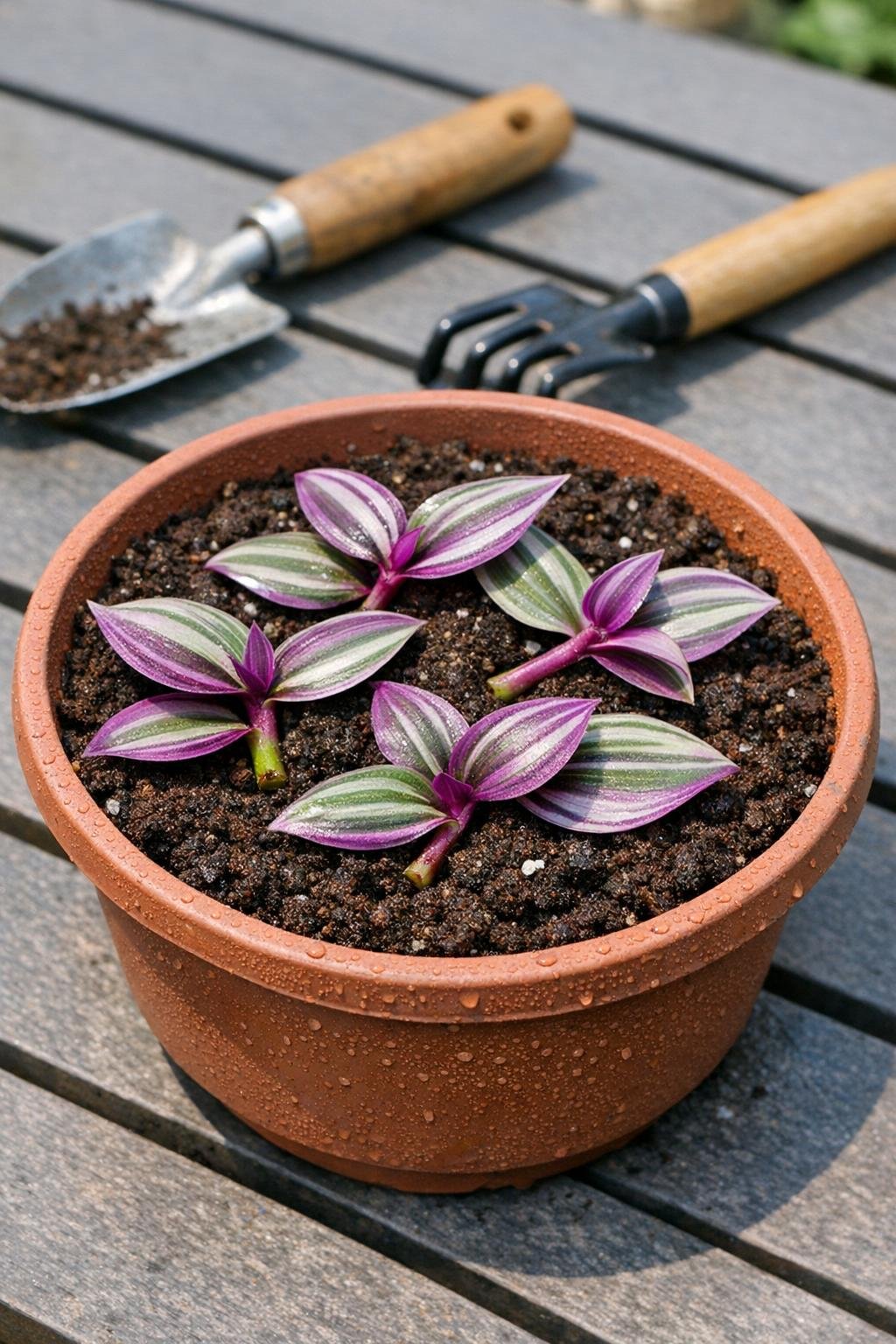
Tradescantia, including purple heart and wandering dude types, roots so easily that it can feel almost foolproof. Snip 3- to 4-inch pieces just below a node, remove the bottom leaves, and either lay the stems across moist potting mix or stand them in a shallow glass of water. Because the stems are soft and fast-growing, August cuttings usually take off quickly if you keep them evenly moist.
I like this one for filling out a thin pot because you can root 5 or 6 cuttings at once in a 4-inch container. Roots often show up in less than a week, and the cuttings can start branching soon after they’re planted. If your existing basket looks tired by late summer, this is one of the easiest ways to refresh it before indoor season starts.
4. Coleus
Coleus is one of my favorite late-summer propagation plants because one healthy patio pot can turn into a whole tray of new plants for almost nothing. Take a 4- to 6-inch tip cutting from a non-flowering stem, pinch off the bottom leaves, and remove any flower spike so the cutting puts energy into rooting. You can root coleus in water on the counter or directly in a seed-starting mix.
With warm August temperatures, coleus often roots in 5 to 10 days. Once roots reach about 1 inch, move water-rooted cuttings into a small pot and pinch the top again after a week or two to encourage bushiness. I usually do this before Labor Day so I can bring a few favorite varieties indoors and not have to buy them all over again next spring.
5. Basil
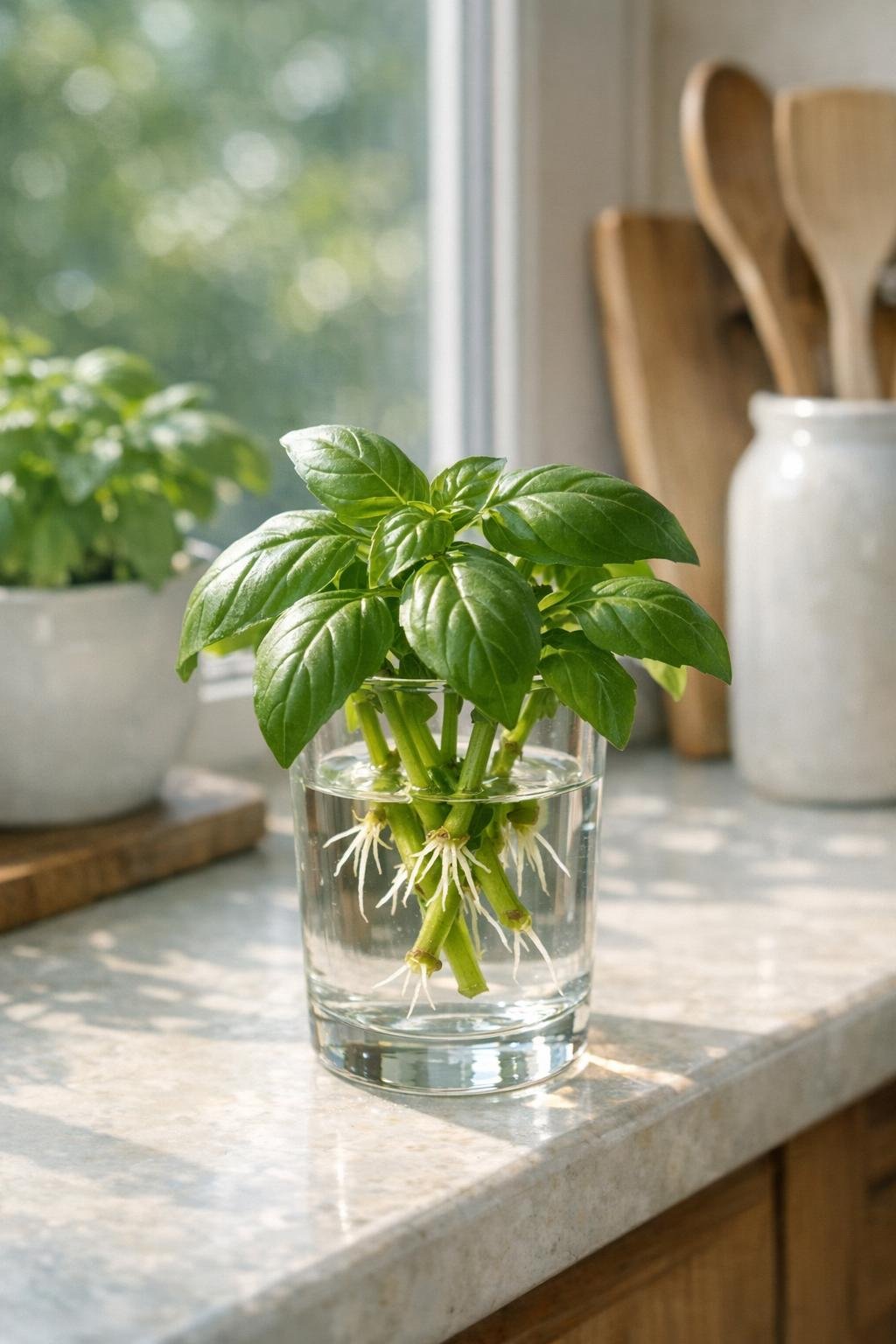
If you’re already growing basil for cooking, August is the perfect time to turn one plant into several before cooler nights slow it down. Cut a 4-inch stem just below a leaf node, remove the lower leaves, and place the stem in a narrow glass with enough water to cover the bare section. Keep the leaves above the waterline, and don’t choose stems that are flowering heavily if you can avoid it.
Basil usually roots in 5 to 7 days on a bright windowsill, and that means you can keep fresh plants going for indoor use as summer winds down. I’ve done this with grocery store basil bunches too, especially when I know I’ll use only half for pasta or pizza that week. Once roots are 1 to 2 inches long, plant each cutting in a 4-inch pot and pinch regularly for fuller growth.
6. Mint
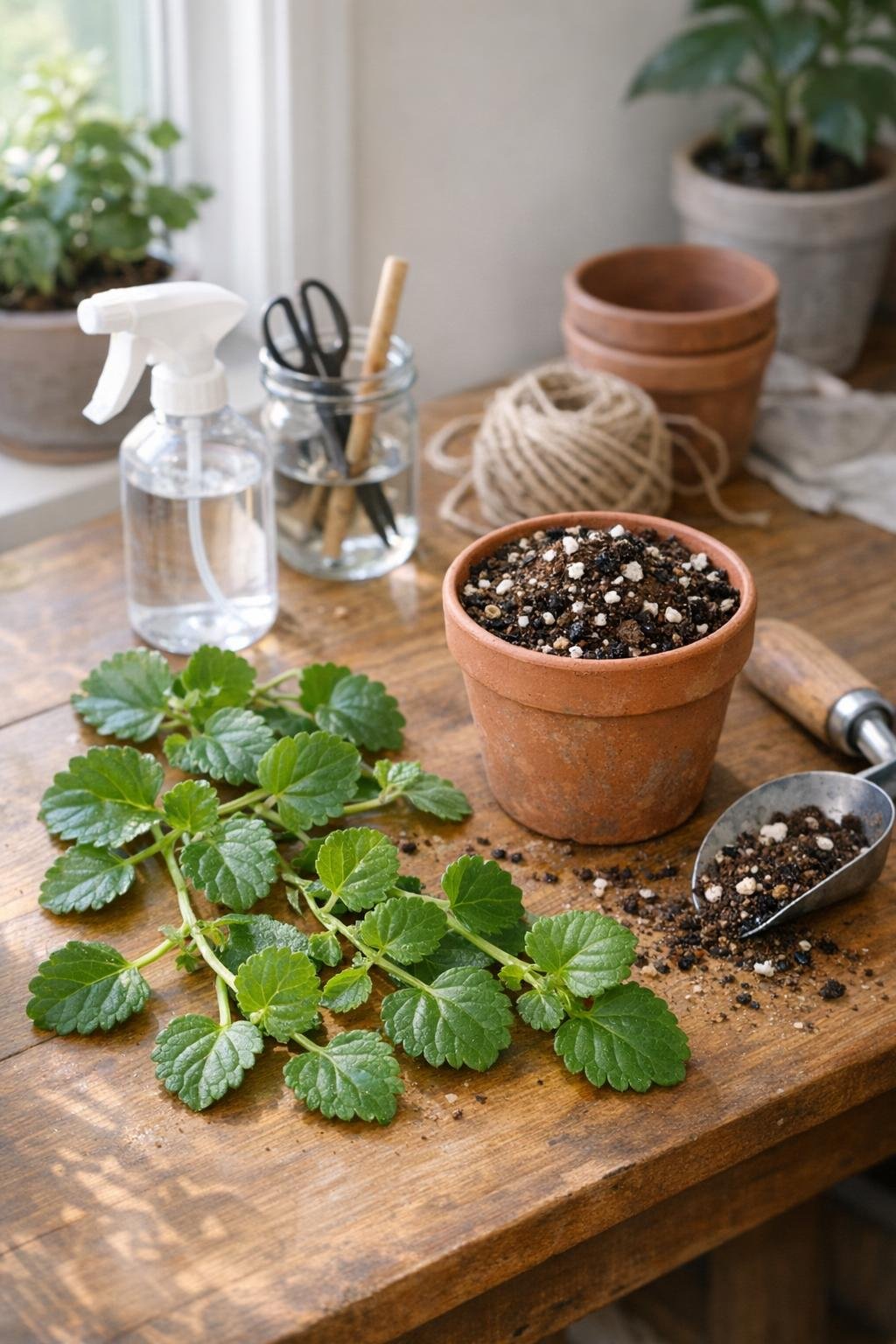
Mint is so vigorous that it’s one of the easiest herbs to propagate from cuttings, especially in late summer. Snip 4- to 5-inch stems, remove the bottom leaves, and set them in water or moist potting mix. Because mint stems are tender, check the water every couple of days and keep the container clean so the cuttings stay fresh rather than slimy.
You’ll often see roots in under a week, and by 10 to 14 days they’re usually ready for potting. I prefer keeping mint in its own pot, even when it starts from cuttings, because it has a habit of taking over shared containers. If you like having herbs close at hand for iced tea or fruit salads, this is one of the quickest wins on the list.
7. Swedish ivy
Swedish ivy is one of those underrated houseplants that propagates beautifully from soft stem cuttings. Cut 3- to 5-inch tips just below a node, remove the lowest leaves, and place them in water or a light potting mix with added perlite. A bright spot with indirect light is ideal, and August’s lingering warmth helps roots form without much coaxing.
This plant tends to make a fuller hanging basket fast, so it’s a nice choice if you want visible results within a month. I usually plant 4 rooted cuttings together in a 6-inch hanging pot for a fuller look right away. Keep the soil lightly moist, not soggy, and pinch the tips once the cuttings settle in to encourage branching.
8. Geranium
Geraniums are excellent August cutting candidates because they’re still actively growing, and starting backups now can save your favorite varieties before cooler weather arrives. Take a 4-inch cutting from a healthy stem, cut just below a node, and remove any flower buds and lower leaves. Let the cut end dry for a few hours before inserting it into a small pot of barely moist, gritty mix.
Unlike some softer plants, geranium cuttings do better if you don’t keep the soil too wet. I use a mix that’s about 2 parts potting soil to 1 part perlite and water only when the top inch feels dry. Roots typically develop in 2 to 4 weeks, and by early fall you can have sturdy young plants ready for a sunny window.
9. English ivy
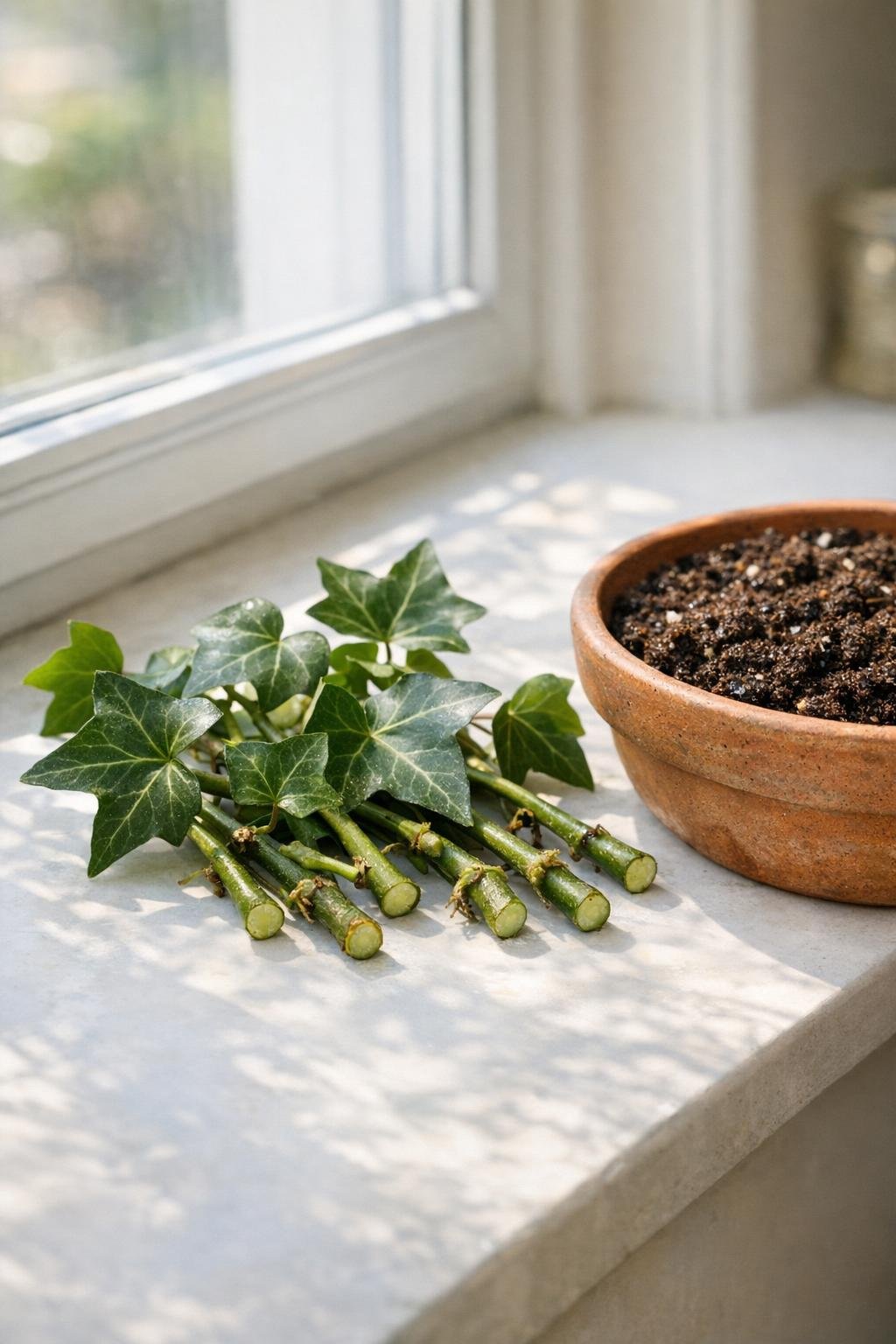
English ivy roots readily from stem cuttings and is a practical choice if you want to fill out a pot or train a small plant indoors. Snip 4- to 6-inch vine sections with 2 or 3 nodes, remove the leaves from the bottom half, and place them in water or insert them around the edge of a pot filled with moist mix. The edge placement helps create a fuller container once they establish.
This is one plant where good airflow matters, especially in humid August weather, so avoid crowding too many cuttings into one tiny container. Keep it in bright, indirect light and expect rooting within 10 to 14 days in water, or a little longer in soil. If you’re patient, a handful of cuttings now can become a surprisingly lush indoor pot by the holidays.
10. Succulent rosette cuttings
Many common succulents, including jade plant and echeveria-type rosettes with offset stems, are easy to multiply in August as long as you let cut surfaces callus first. Take a clean stem cutting or remove a healthy offset, then leave it in a dry spot out of direct sun for 2 to 3 days. After that, place it on top of dry cactus mix or insert the stem end shallowly into the mix.
The biggest mistake here is watering too soon. Wait about 5 to 7 days before the first light watering, then water sparingly, roughly every 10 to 14 days depending on heat and humidity. I like doing succulent cuttings at the end of summer because they’re low-maintenance enough to handle a busy workweek, and they don’t mind if I’m not hovering over them every day.
If you want the easiest place to start, pick one trailing houseplant and one herb, take a couple of cuttings each, and see how they do over the next two weeks. August gives you a really nice balance of warmth, light, and active growth, and once you get that first set of roots, it’s honestly hard not to get hooked.