
When a surprise cold snap shows up before I’m ready, I reach for one of the simplest garden tricks I know: little PVC cloches made from short pipe sections and a bit of row cover. It’s an old-school method, but there’s a reason experienced gardeners still swear by it—it creates a small pocket of protection right where tender seedlings and young plants need it most.
I especially like this project because it’s quick, inexpensive, and easy to scale up for a whole bed or just a few favorite plants. If you grow tomatoes, peppers, basil, cucumbers, squash, or any other frost-tender plant, this is a practical way to buy yourself a little peace of mind on chilly spring or fall nights.
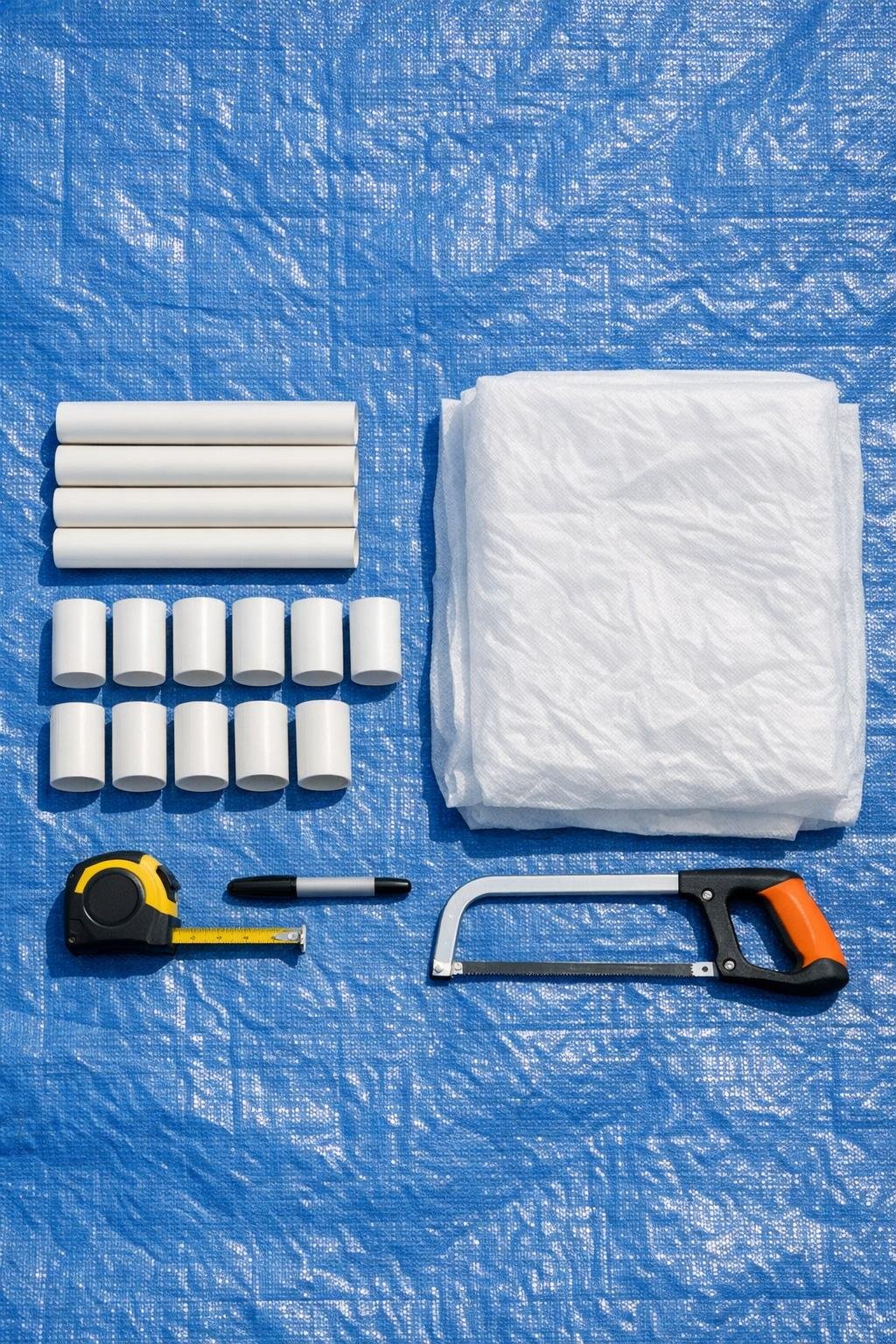
Materials
Instructions
1. Measure and mark your PVC pipe into 6-inch sections if it is not already cut. This height is enough to shield small plants while still letting in light and air during the day.
2. Use a hacksaw to cut the pipe into short sections, keeping the cuts as straight as you can. Brush away any plastic dust and rough bits from the edges when you’re done.
3. Cut away the bottom edge of each PVC section by making one straight slit from top to bottom, then trimming off a narrow 1-inch strip. This creates an open ring that can flex slightly and sit more easily around the base of a plant.
4. Wrap a small piece of duct tape over any sharp cut spots on the pipe. I never skip this, because it helps protect both the frost cloth and my hands when I’m hurrying before sunset.
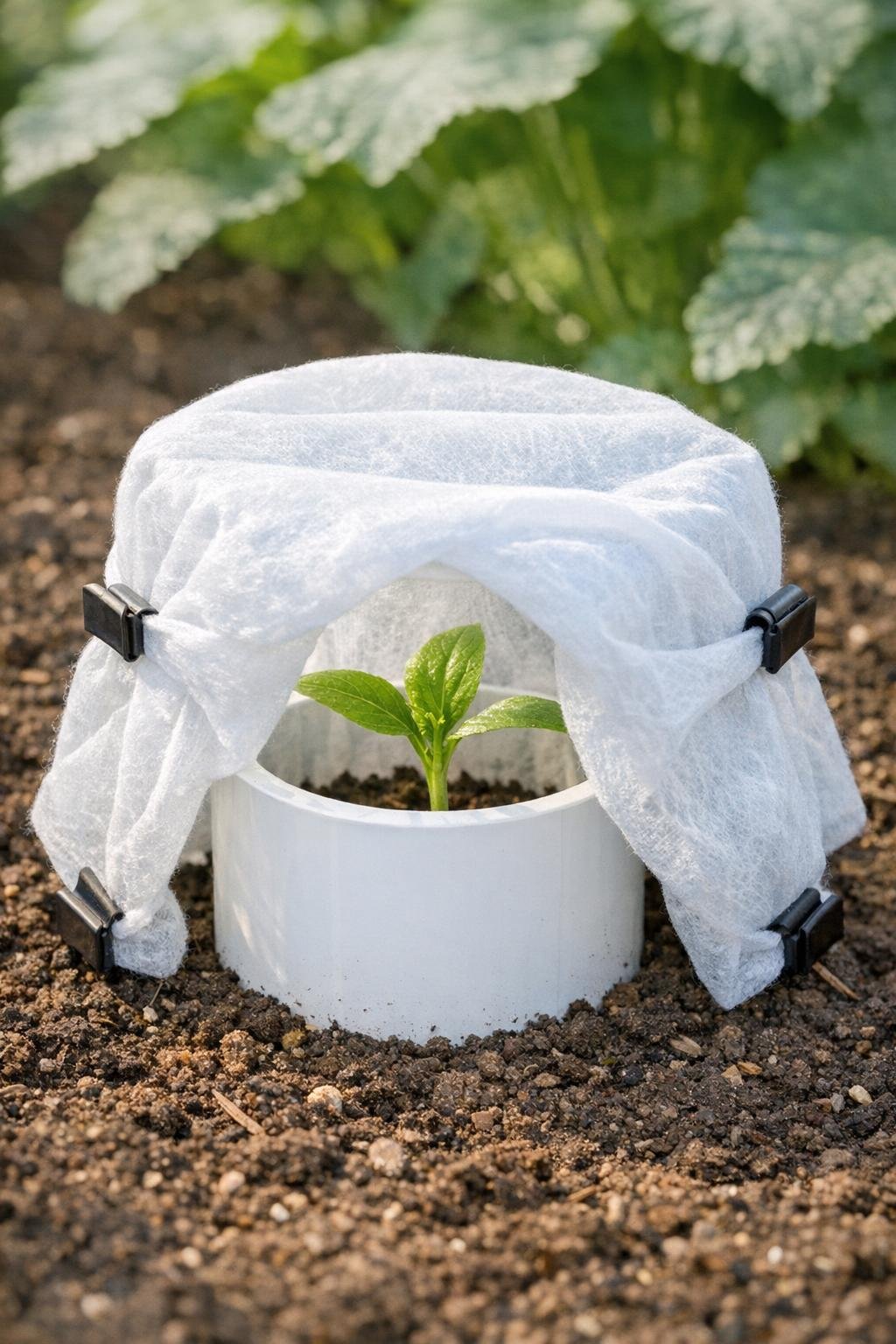
5. Place one PVC section around each tender plant, pressing it about 1 inch into the soil so it stays put. Keep the stem centered so leaves are less likely to rub against the cover overnight.
6. Cut a square of floating row cover large enough to drape over the pipe with 4 to 6 inches hanging down on all sides. For a 4-inch pipe section, a 24-inch square usually gives plenty of coverage.
7. Drape the frost cloth over the PVC ring and gather it gently around the outside. Clip it in place with 2 binder clips or clothespins so the fabric stays secure but not tight against the plant.
8. Tuck the extra cloth lightly against the soil or weigh down the edges with a little soil if windy weather is coming. The goal is to trap warmer air near the plant without crushing the leaves.
9. Remove or vent the cover the next morning once temperatures rise above freezing. If the day stays cold, you can leave the cover on for a while, but check that the plant isn’t overheating in direct sun.
Variations & Tips
For extra-cold nights: Double the frost cloth layer or add a second loose square over the first one. I’ve done this for young basil and peppers when the forecast dips lower than expected.
For bigger seedlings: Use 8-inch-long PVC sections instead of 6-inch ones so the leaves have more headroom. This works nicely once plants start putting on their first real burst of growth.
For windy spots: Push the PVC a little deeper into the soil and use small stones or a bit of loose soil to hold down the cloth edges. In our yard, the corners of the vegetable patch always seem to catch the strongest gusts.
For picky plants: Treat your most cold-sensitive crops first, especially tomatoes, peppers, eggplant, basil, and young squash. I always protect the fussiest plants before I bother with the tougher ones.
Morning check: Take the covers off after the cold passes so condensation and heat buildup don’t stress the plants. Think of these as overnight pajamas for the garden, not all-day coats.
Storage tip: Stack the PVC rings in a dry shed or garage and fold the frost cloth separately after the season. Once you make a batch, you can pull them out year after year in a last-minute weather scramble.