
If you garden anywhere with cool spring nights, this is one of those surprisingly simple little tricks that can make a real difference. This DIY raised bed warming reservoir uses old tennis balls and a black plastic trash bag to create small heat-holding pockets that help buffer temperature swings right around tender seedlings before the last frost date fully passes.
I love projects like this because they use things many of us already have in the garage or yard pile, and they come together fast on a weeknight. If you're trying to harden off tomatoes, peppers, cucumbers, or other warm-weather starts without babying them quite so much, this is an easy add-on for a raised bed that doesn't require fancy equipment.
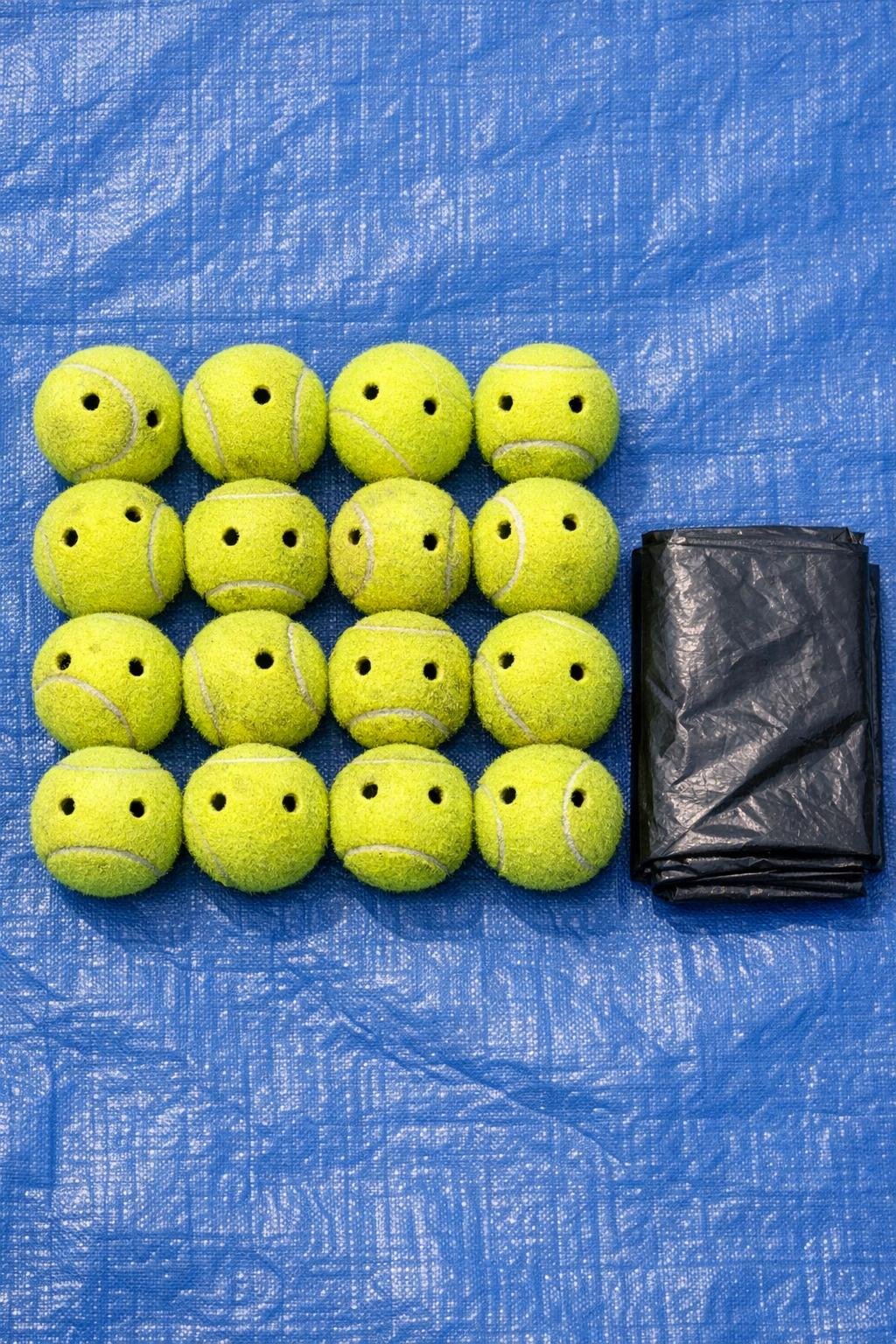
Materials
Instructions
1. Clean off the tennis balls and check that each one is still firm enough to hold its shape. If a ball is split or collapsing, set it aside and use a better one.
2. Punch 2 to 4 small drainage holes in each tennis ball, spacing them around the sides rather than all in one spot. I like keeping the holes small so water moves in and out slowly instead of flooding through.
3. Open the black trash bag and cut it into long wide strips, about 10 to 12 inches across, or into large panels depending on the shape of your bed. The goal is to create black plastic sleeves or covers that sit low along the soil surface and absorb daytime sun.
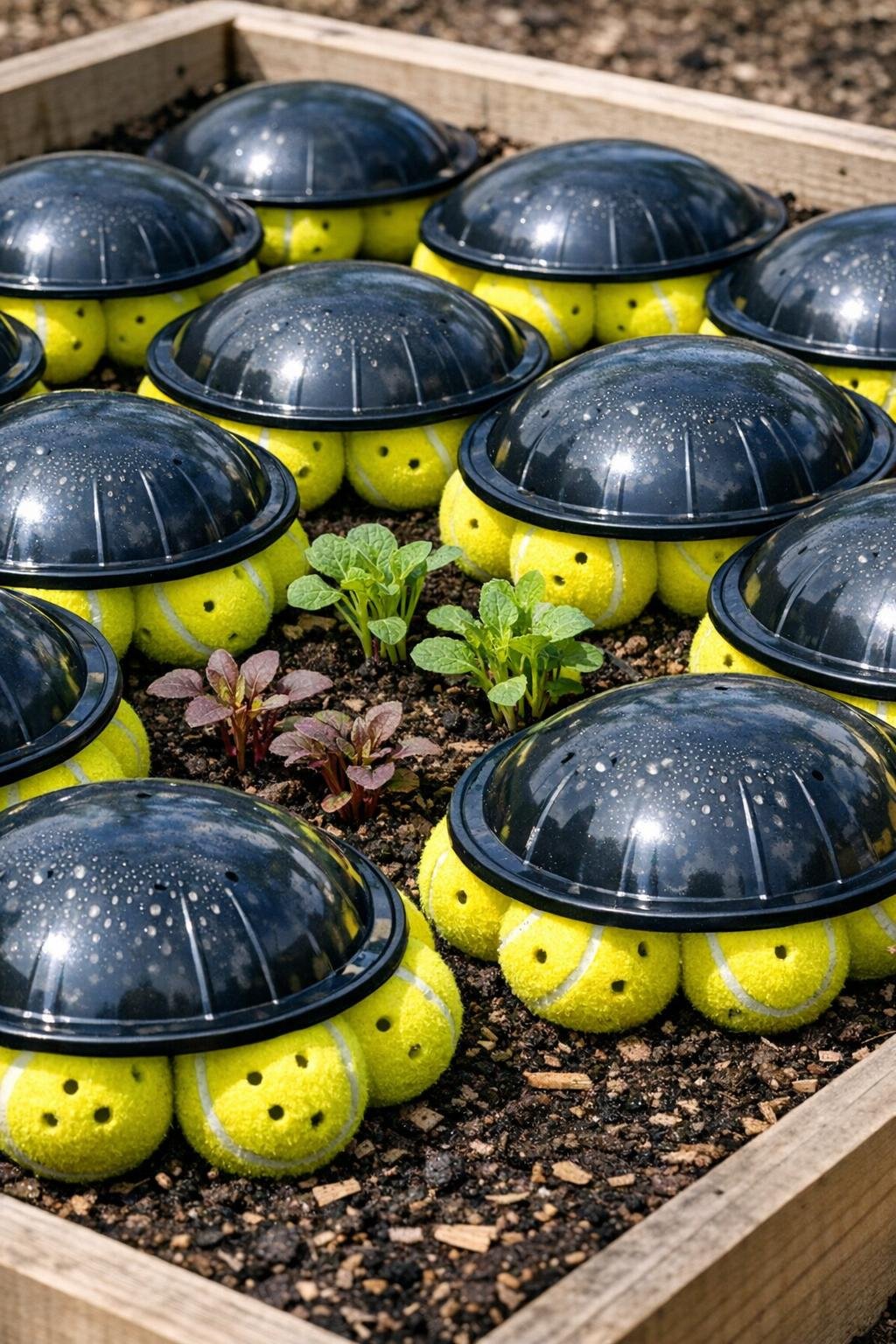
4. Lay the punched tennis balls in rows around your seedlings, keeping them 4 to 6 inches away from plant stems. Space them roughly 8 to 10 inches apart so the warming effect is spread across the bed.
5. Pour water over the tennis balls until they fill and the surrounding soil is evenly moist but not soggy. The holes let the balls take on water, which helps them act as tiny thermal reservoirs.
6. Drape the black plastic strips loosely over the rows of tennis balls so the plastic touches the soil between plants but does not crush the seedlings. Tuck the edges slightly into the soil or weigh them down with garden staples, stones, or extra soil if needed.
7. Leave the setup in place during cool days and nights, lifting the plastic back during warm afternoons if the weather jumps unexpectedly. On sunny days the black plastic absorbs heat, and the water-filled tennis balls help release that warmth gradually after sunset.
8. Refresh the system every few days by checking soil moisture and adding water if the tennis balls feel light or the bed is drying out. Remove the setup once overnight temperatures are reliably above the danger zone for your crops.
Variations & Tips
For tomato starts: Concentrate the tennis balls on the north and west sides of each transplant, where they can help moderate the coolest evening exposure.
For very small beds: Use 6 to 8 tennis balls instead of 12 and make one short covered row rather than trying to span the entire bed.
For windy yards: Pin the plastic down more securely than you think you need. In my Midwest yard, a calm evening can turn breezy fast, and loose plastic always seems to find a way into the neighbor's fence.
Moisture check: This works best when the bed stays evenly damp, since dry soil loses heat faster. I usually combine this with my normal evening watering routine so I don't forget.
Crop timing: Think of this as a buffer, not full frost protection. It can help smooth out chilly nights, but if a hard freeze is coming, add row cover, cloches, or bring container plants inside.
Cleanup and storage: Rinse the balls, let the plastic dry, and store both in a bucket or tote for next spring. If you're juggling work and a garden like I am, anything reusable earns a permanent spot on the shelf.