
I hate wasting good fabric, and old towels are one of the most overlooked supplies in the house. Even when they’re too faded or frayed for guests, the terry cloth is still absorbent, soft, sturdy, and surprisingly useful for sewing, cleaning, pet projects, and a few giftable little home upgrades.
I pulled together 20 towel reuses that are practical enough to make in an afternoon and attractive enough that they don’t look like leftovers. I’ve included exact dimensions, simple construction notes, and the kinds of details I wish someone had told me the first time I cut into a perfectly decent bath towel.
1. Washcloths
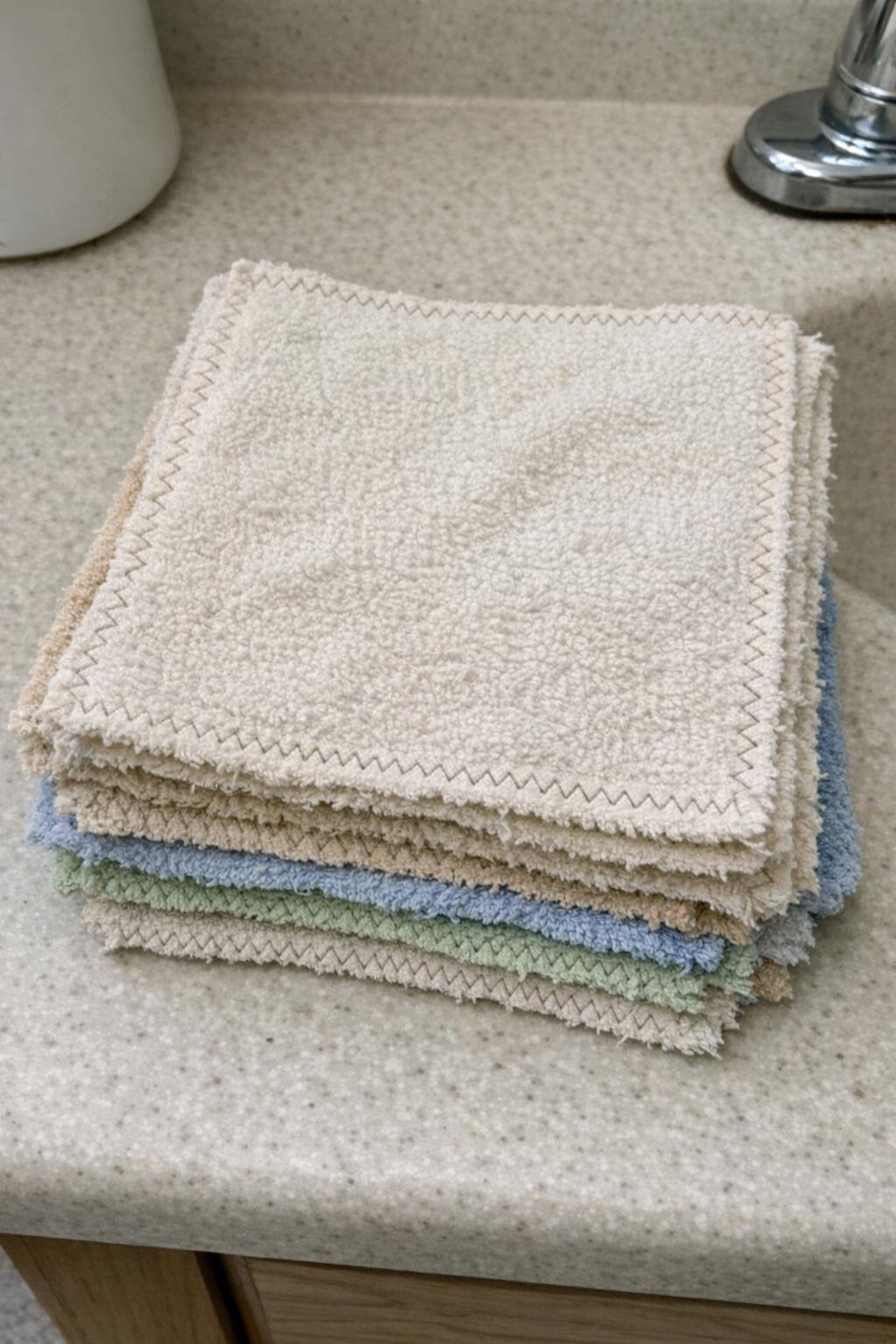
A standard bath towel can become a stack of everyday washcloths in about 20 minutes. Cut it into 10-inch squares with a rotary cutter or sharp fabric shears, then run a zigzag stitch around each edge about 1/4 inch in from the border to stop fraying. From one large bath towel, I usually get 6 to 8 usable squares depending on the original size and how damaged the edges are.
These are ideal for makeup removal, face washing, or cleaning up kitchen spills. If the towel is thin, I keep these for household use; if it still feels plush, they make excellent bath-side cloths. Wash them once after sewing to soften the stitched edge and shake out lint.
2. Rope-coil basket
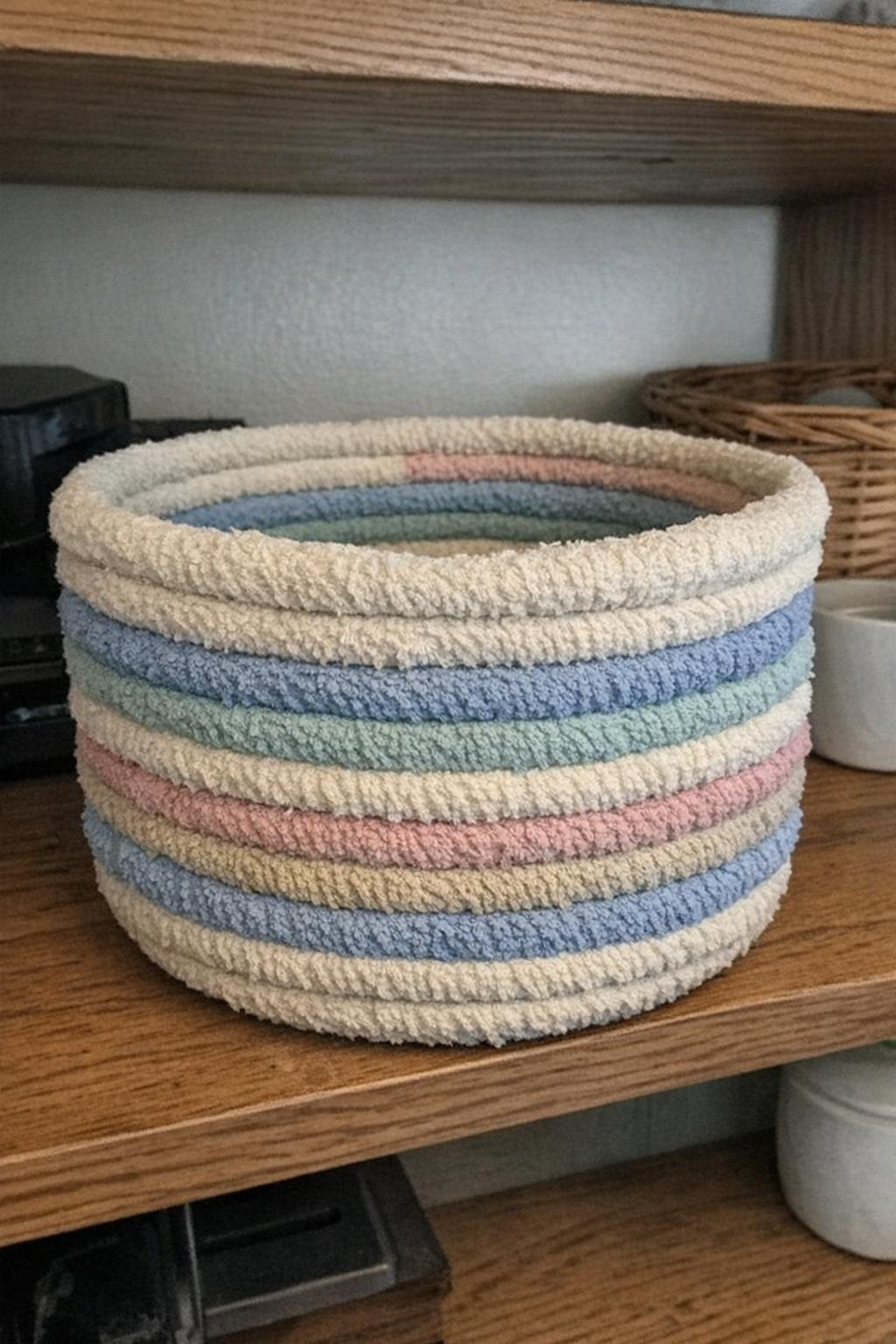
This is one of my favorite towel projects because it looks far more polished than the materials suggest. Cut the towel into 1 1/2-inch-wide strips, wrap each strip around cotton clothesline, and secure it with hot glue every 2 to 3 inches as you go. Coil the wrapped rope into a flat circle for the base, then keep gluing the next round slightly upward to build the sides.
A basket about 8 inches across and 5 inches tall usually takes one bath towel and 20 to 25 feet of clothesline. I use these for rolled washcloths, dryer balls, or onions in the pantry. Thick terry gives the basket a soft, substantial shape that photographs beautifully on a shelf.
3. Braided bath mat
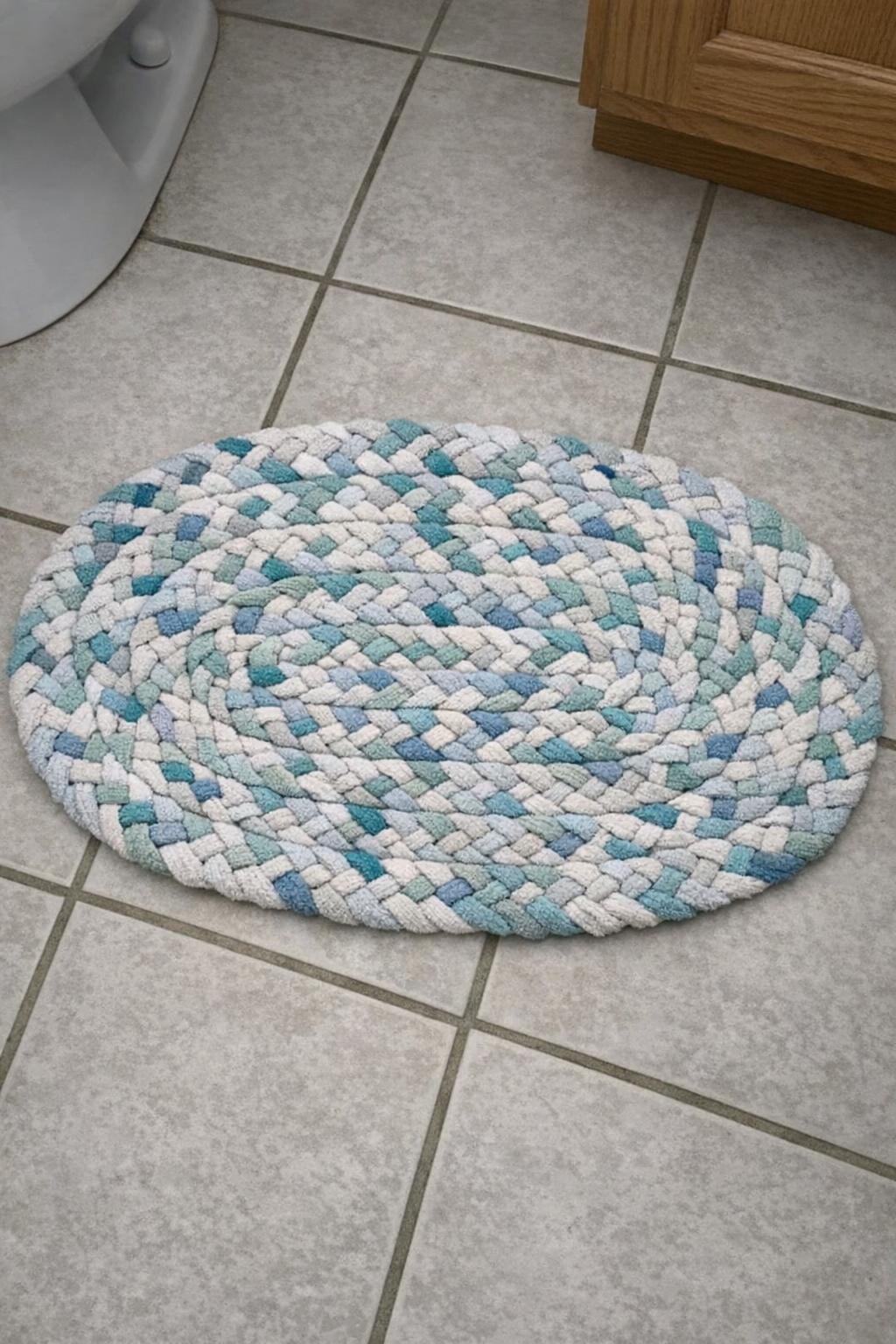
For a bath mat with some heft, cut the towel into 3-inch strips, stitch or knot the ends together to make three long lengths, and braid them tightly. Once the braid is long enough, coil it into a 24-inch oval and hand-stitch or zigzag stitch the rows together from the underside. The terry texture gives good grip under bare feet.
I like using two towels in similar tones for a thicker mat with subtle variation. It takes more time than the washcloth project, usually 60 to 90 minutes, but the result looks intentionally handmade rather than improvised. This works especially well beside a tub or utility sink.
4. Hooded kids' bath towel
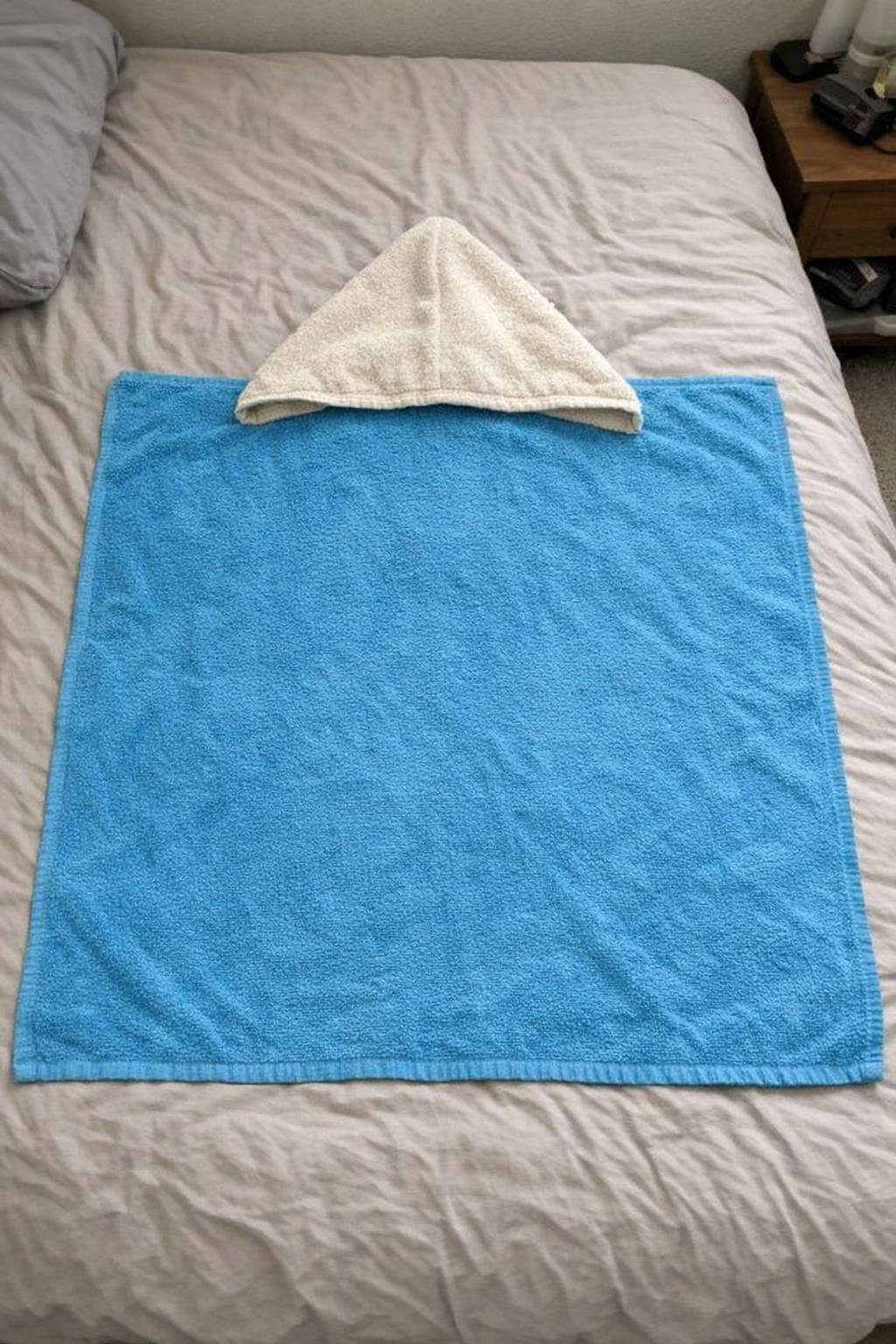
If you have a child in the family, this is a sweet and very usable remake. Take one full bath towel and a coordinating hand towel. Fold the hand towel in half, sew one short side closed to form the hood peak, then attach the open edge to the center of one long side of the bath towel.
The finished towel is roomy enough for toddlers and younger grade-school kids, and it’s much more absorbent than many store versions. I often round the hood corner or add a simple fabric trim, but even plain terry looks cheerful when the colors coordinate well. Plan on about 30 minutes from cutting to final seam.
5. Spa slippers
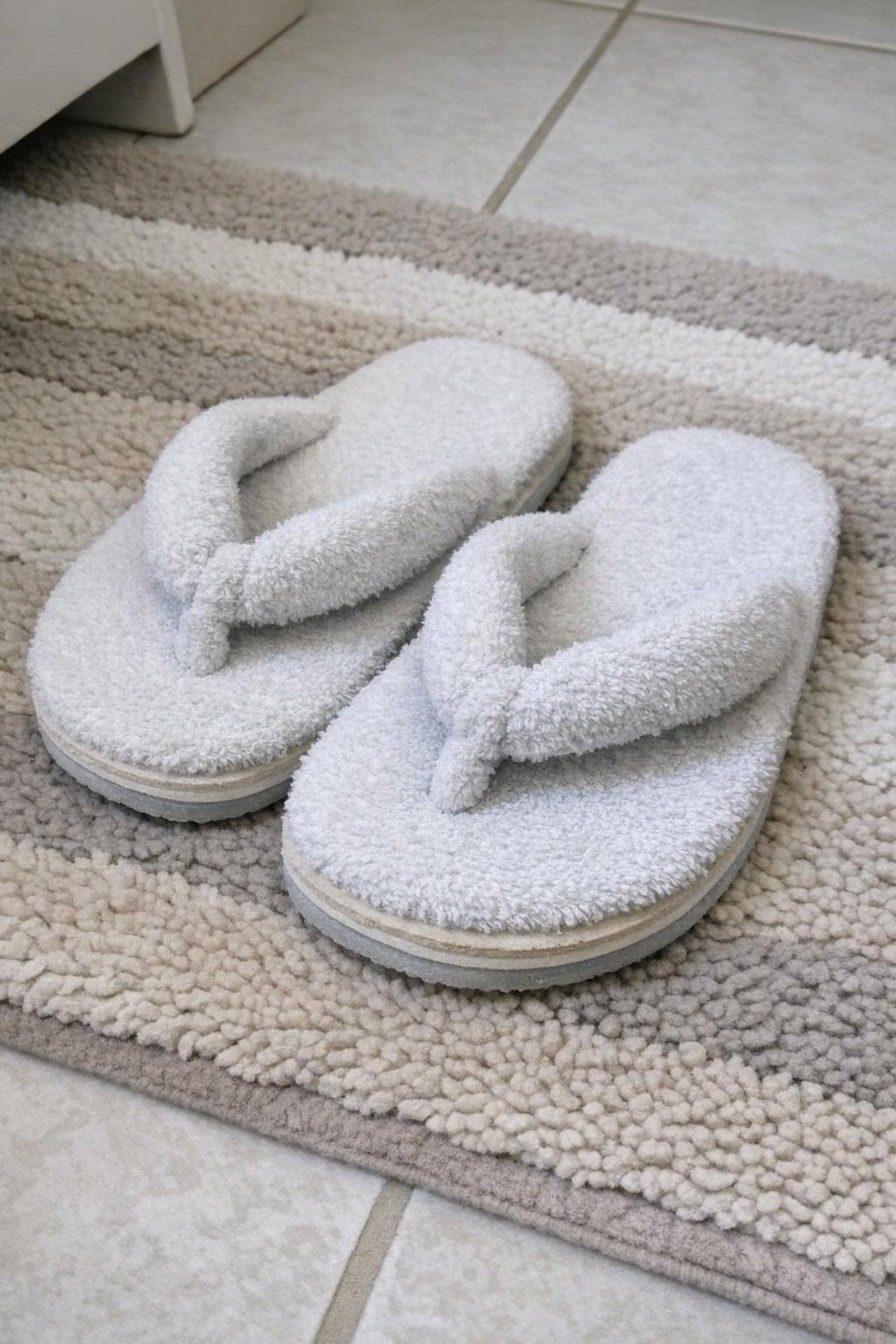
Old flip-flops become much more comfortable with towel uppers. Cut two sole-shaped pieces of towel for each foot, then add a wide terry strap across the top and glue or stitch everything over the existing flip-flop base. Two layers of towel on top soften the feel and give a cushy spa look.
I’ve made these for guest rooms and for slipping on after a shower. Use strong fabric glue if you don’t want to sew through the sole, and trim the edges close for a cleaner outline. They’re best for indoor use and cost just a few dollars if you already have spare flip-flops around.
6. Towel pumpkins
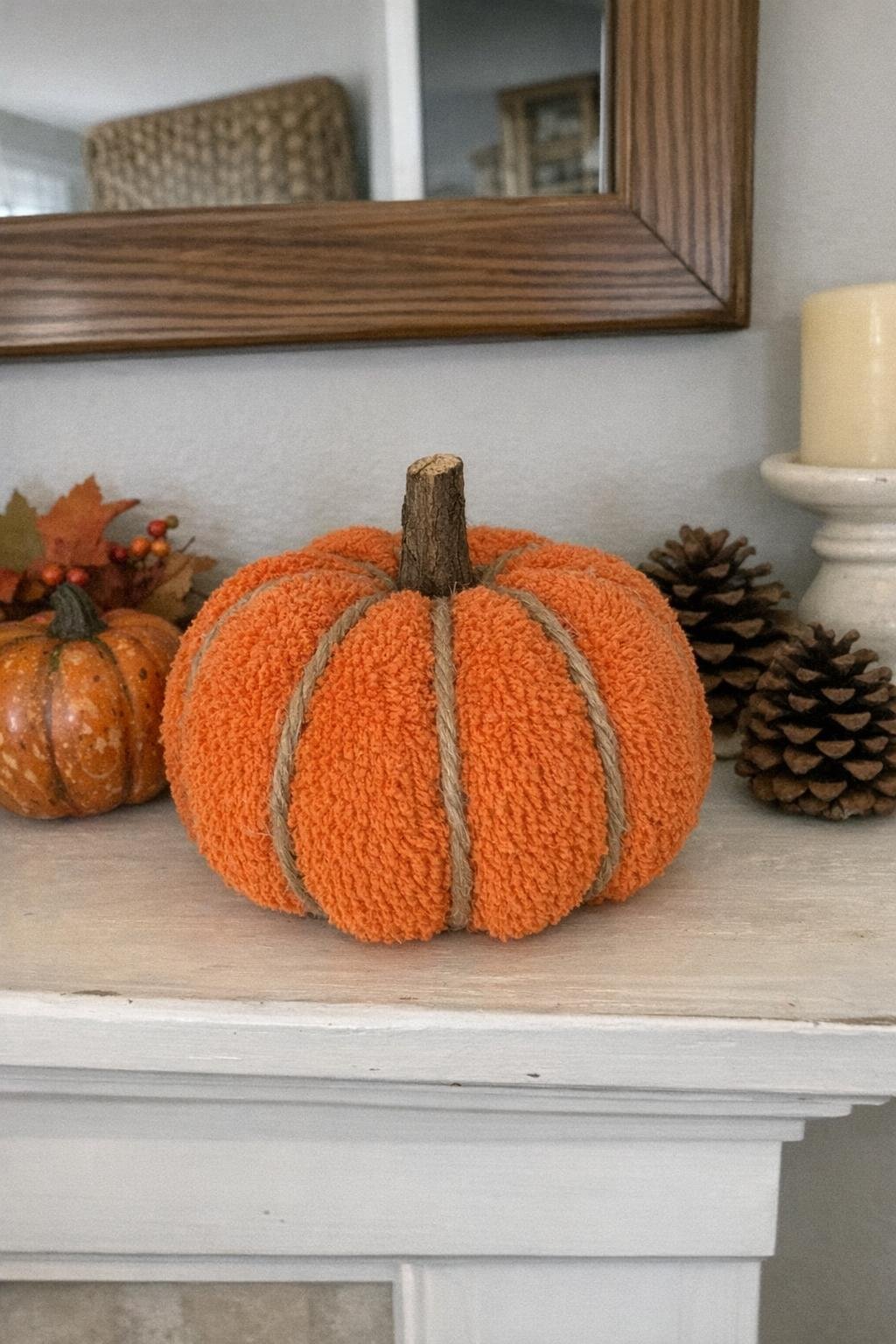
For fall decorating, an orange or tan towel makes a surprisingly handsome pumpkin. Roll or bunch the towel into a firm ball, wrap it with twine 6 to 8 times to create the pumpkin segments, and tuck a short stick or cinnamon-stick-sized branch into the top as the stem. A scrap of burlap or felt leaf finishes it nicely.
I like grouping three in different sizes in a basket or on a mantel. One hand towel makes a smaller pumpkin around 6 inches wide, while a bath towel creates a fuller one closer to 10 inches. Because there’s no cutting required unless you want a tighter shape, this is also a good no-sew project.
7. Bath poufs
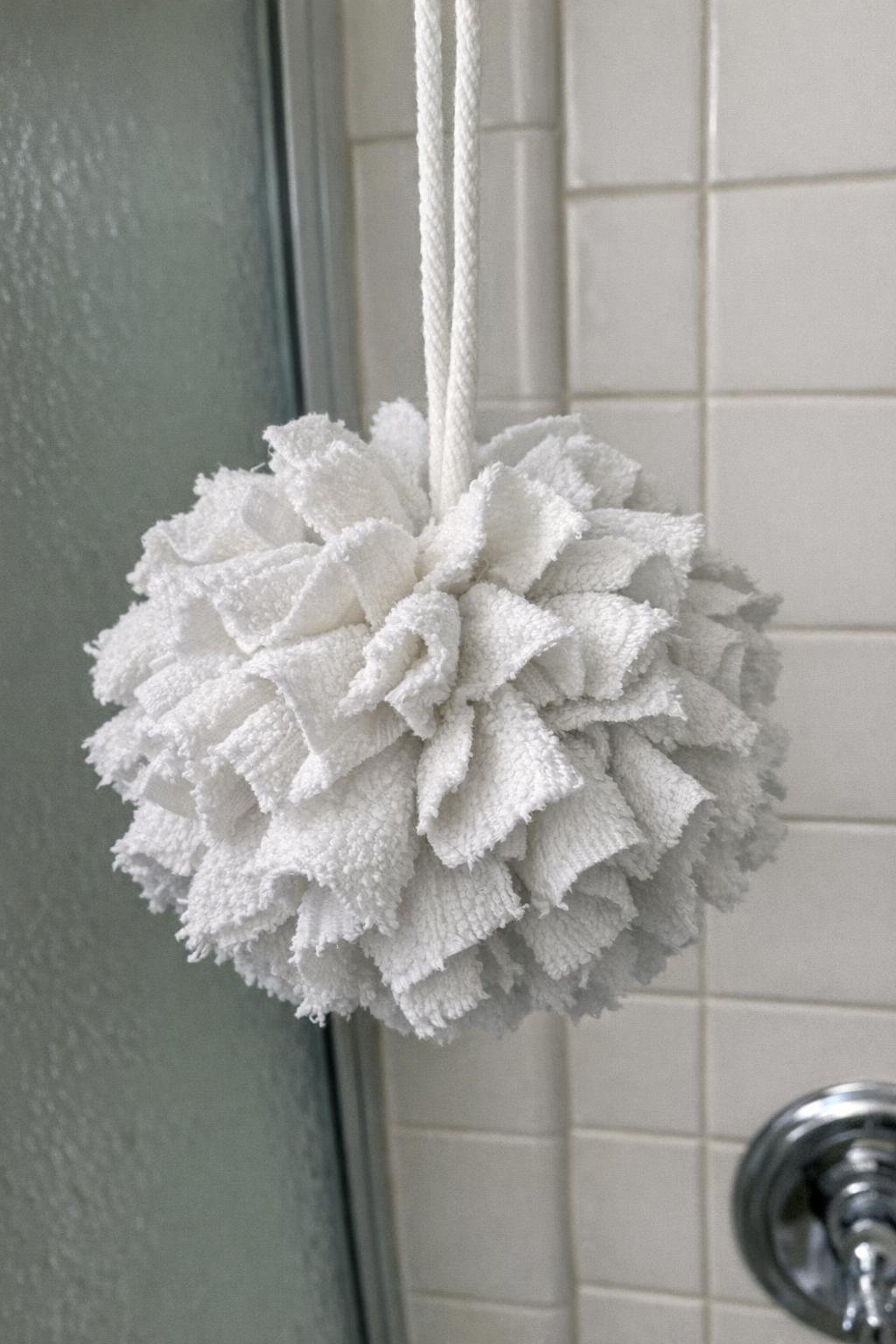
A bath pouf made from towel strips won’t be as airy as mesh, but it scrubs gently and holds soap well. Cut 4-inch strips, fold or bunch them slightly, then gather them onto a sturdy loop of cord until you have a full round scrubber about 5 to 6 inches across. Tie the cord tightly and knot a hanging loop at the top.
These are especially useful if you prefer washable bath accessories. I use soft, thinner towels for this so the pouf doesn’t become too dense. One medium towel can make two or three poufs, and they go straight into the laundry after a week of use.
8. Towel snowman door hanger
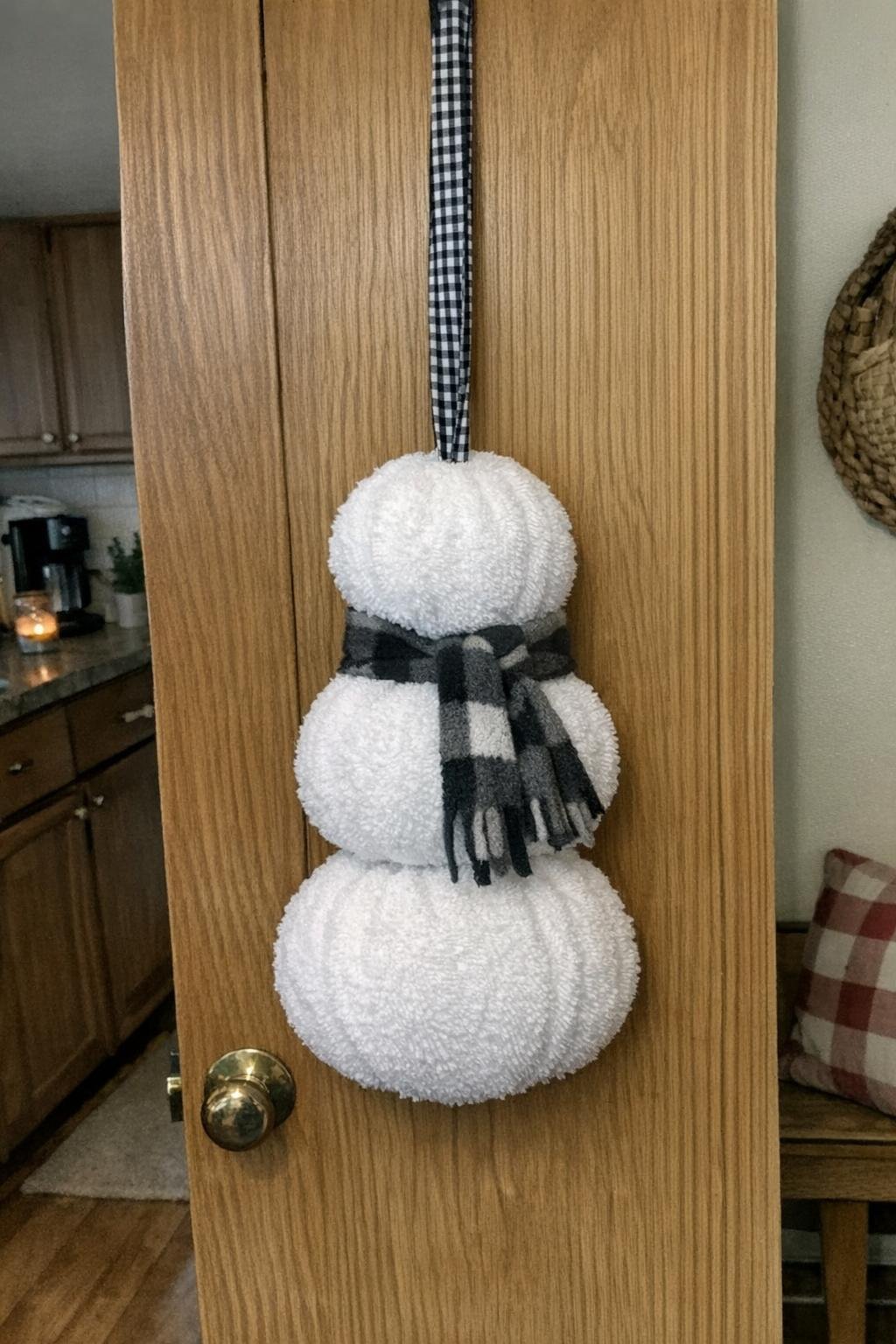
This winter version is cheerful without being expensive. Make three white towel balls in graduating sizes, secure them vertically on a sturdy ribbon, and add a small fleece scarf around the “neck” of the middle section. A twig-like nose shape is optional, but I usually keep the details minimal so it reads clearly from the street.
Hang it on an interior mudroom door or a covered front door to keep it dry. The finished piece is light enough for a removable hook and has nice dimension compared with a flat wreath. White towels with a little wear actually help here because they create soft texture like packed snow.
9. Beach bag
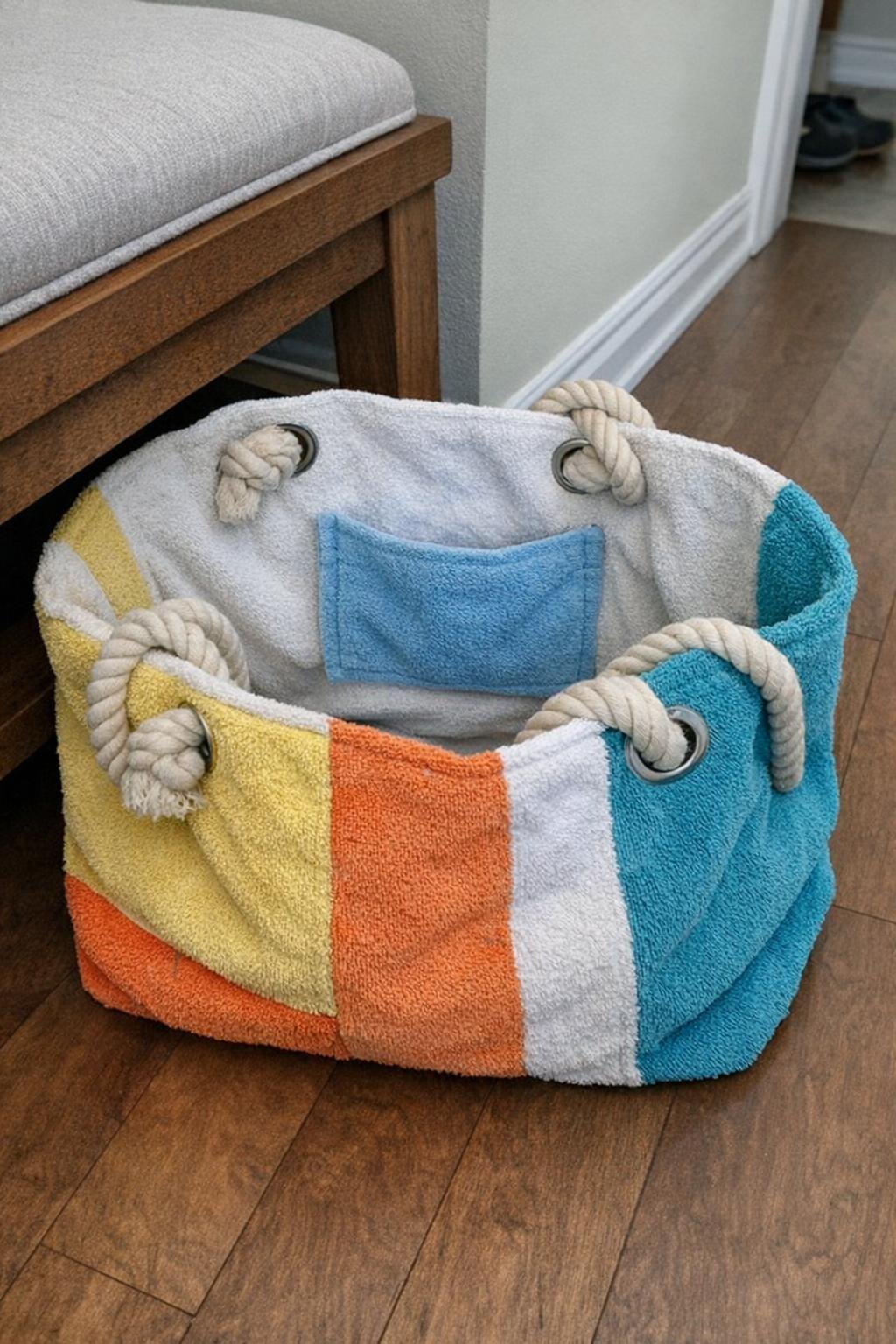
Two towel panels sewn into a tote make sense for pool days because the bag itself can handle damp swimsuits. Cut two rectangles about 18 by 20 inches, sew the sides and boxed bottom, then add rope handles 22 to 24 inches long and one inside pocket around 8 by 8 inches for keys or sunscreen.
I prefer striped or bright towels for this because they already look summery and don’t need embellishment. Use a denim needle if your machine struggles with thickness at the seams. The finished bag stands up well, washes easily, and has enough room for a towel, book, water bottle, and flip-flops.
10. Rice heat pack with towel cover
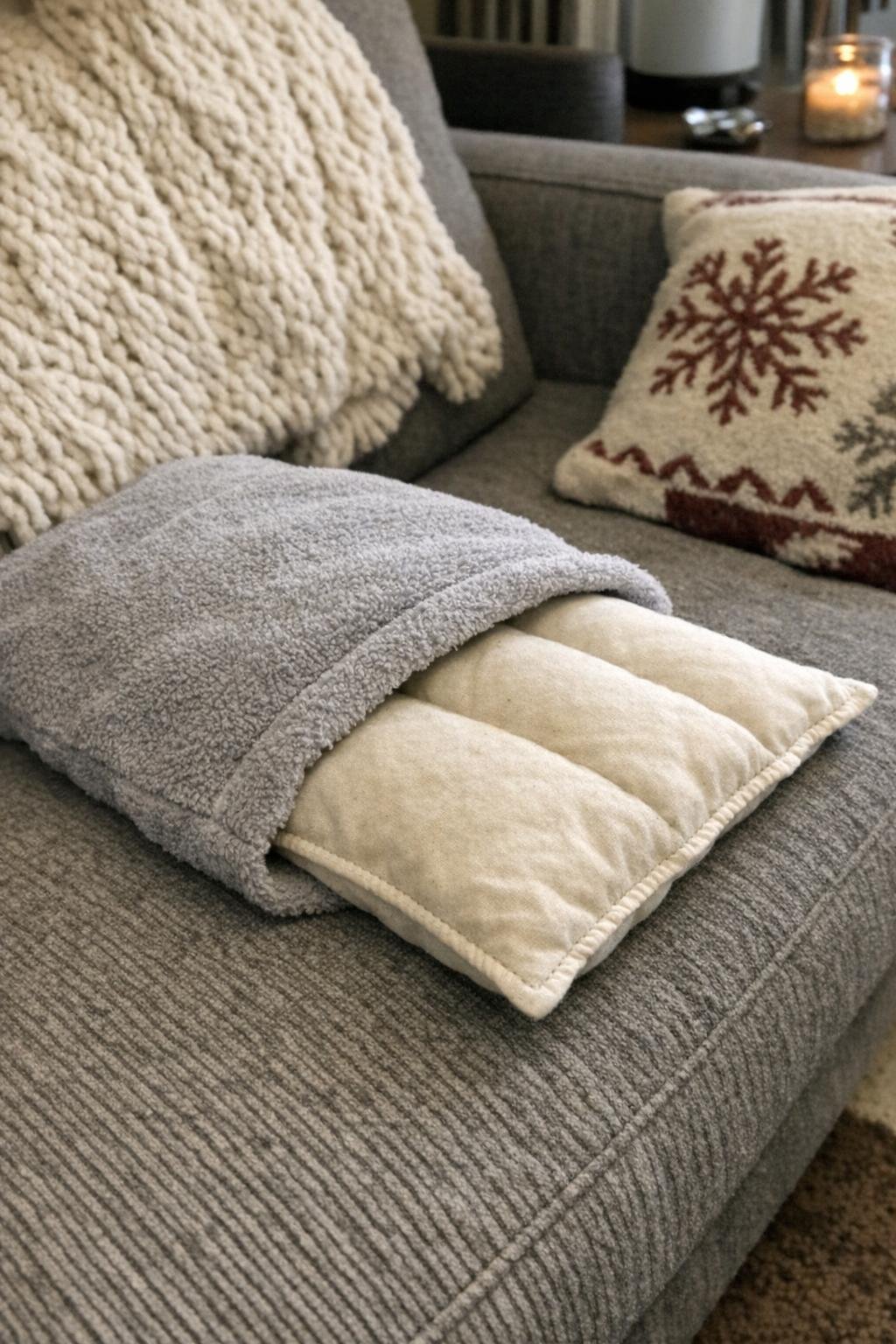
For a practical cold-weather project, sew a simple cotton pouch 6 by 12 inches, fill it about two-thirds full with plain uncooked rice, and stitch it closed. Then make a removable towel sleeve just slightly larger, with an overlapping back or one open end, so the soft terry sits against the skin instead of the cotton pack.
Microwave the rice insert in 30-second bursts until warm, usually 1 to 1 1/2 minutes total depending on your microwave. The towel cover adds comfort and can be washed separately, which is useful if you use the pack often on sore shoulders, lower backs, or cold feet in winter.
11. Swiffer mop pads
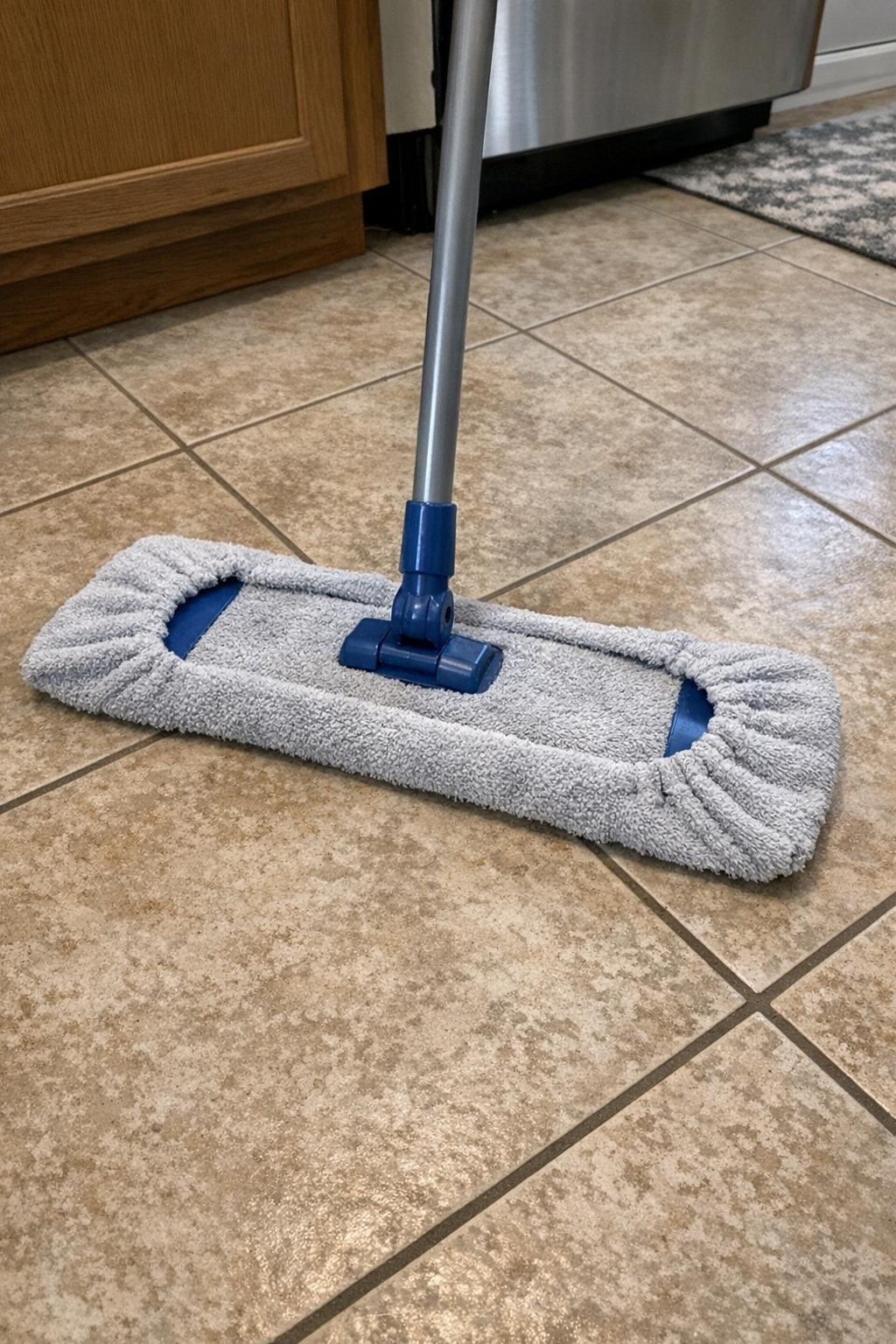
This is one of the most cost-saving reuses in the bunch. Cut towel rectangles to fit your mop head, usually around 11 by 5 inches, and sew small elastic loops or corner casings so the pad slips over the head securely. A slightly thinner towel works best because it still grabs dust and damp messes without bunching too much.
I keep a stack of six in the laundry room and wash them with cleaning rags. For wet mopping, I dampen the pad with hot water and a drop of dish soap. For dry dusting, the terry loops do a surprisingly good job lifting pet hair and crumbs off hard floors.
12. Braided dog tug toy
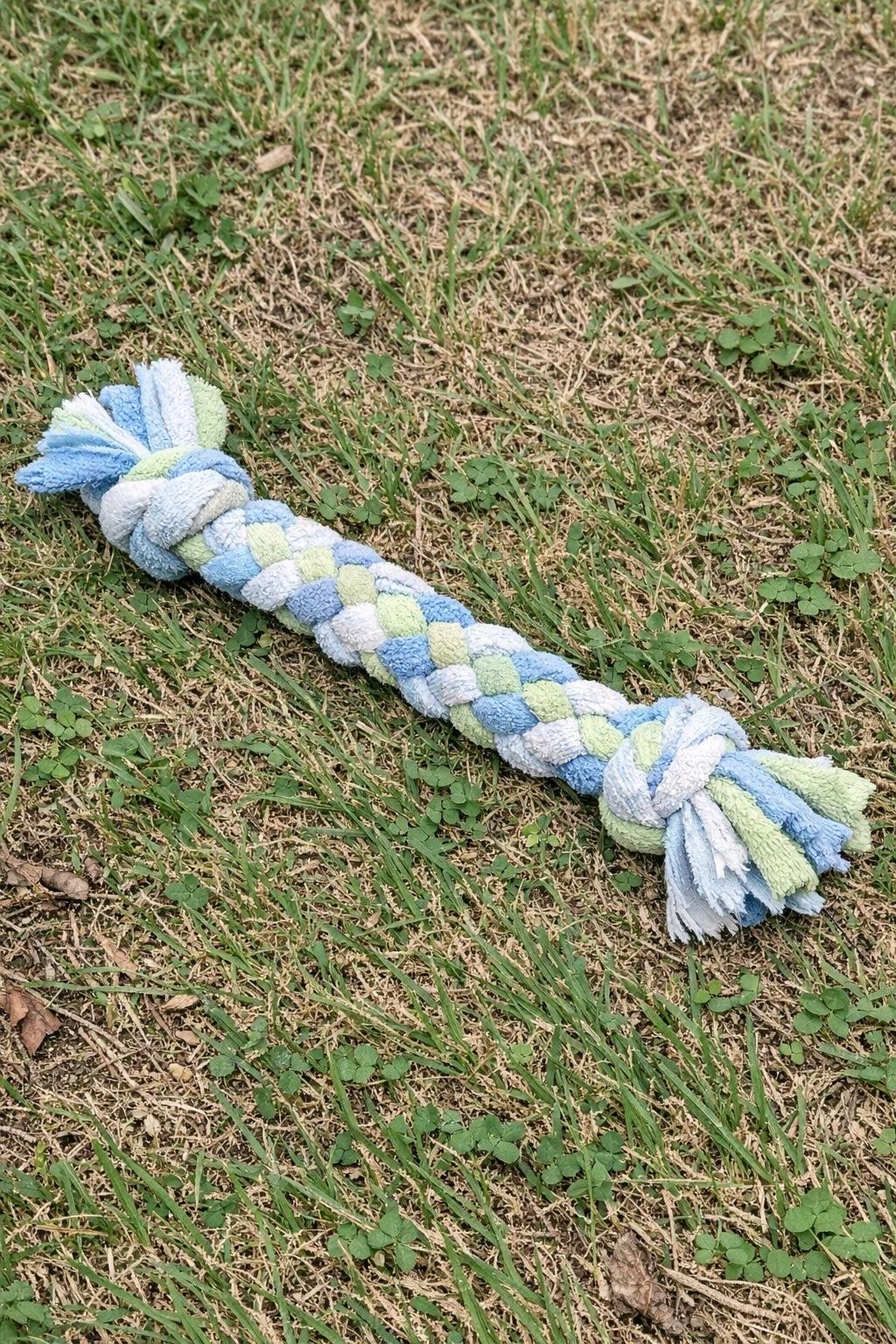
For dog owners, this is a satisfying way to use up sturdy towel strips. Cut three long strips about 3 inches wide, braid them as tightly as you can, and knot both ends firmly. If the towel is especially thick, trim the braid to about 18 inches long so it stays manageable for medium-size dogs.
I’d reserve this for supervised play, especially with determined chewers, but it works well for tug and fetch in the yard. The soft texture is gentler than some rope toys, and if it gets muddy, you can toss it straight into the wash. Use bright towel colors so it’s easy to spot outdoors.
13. Spa wrap
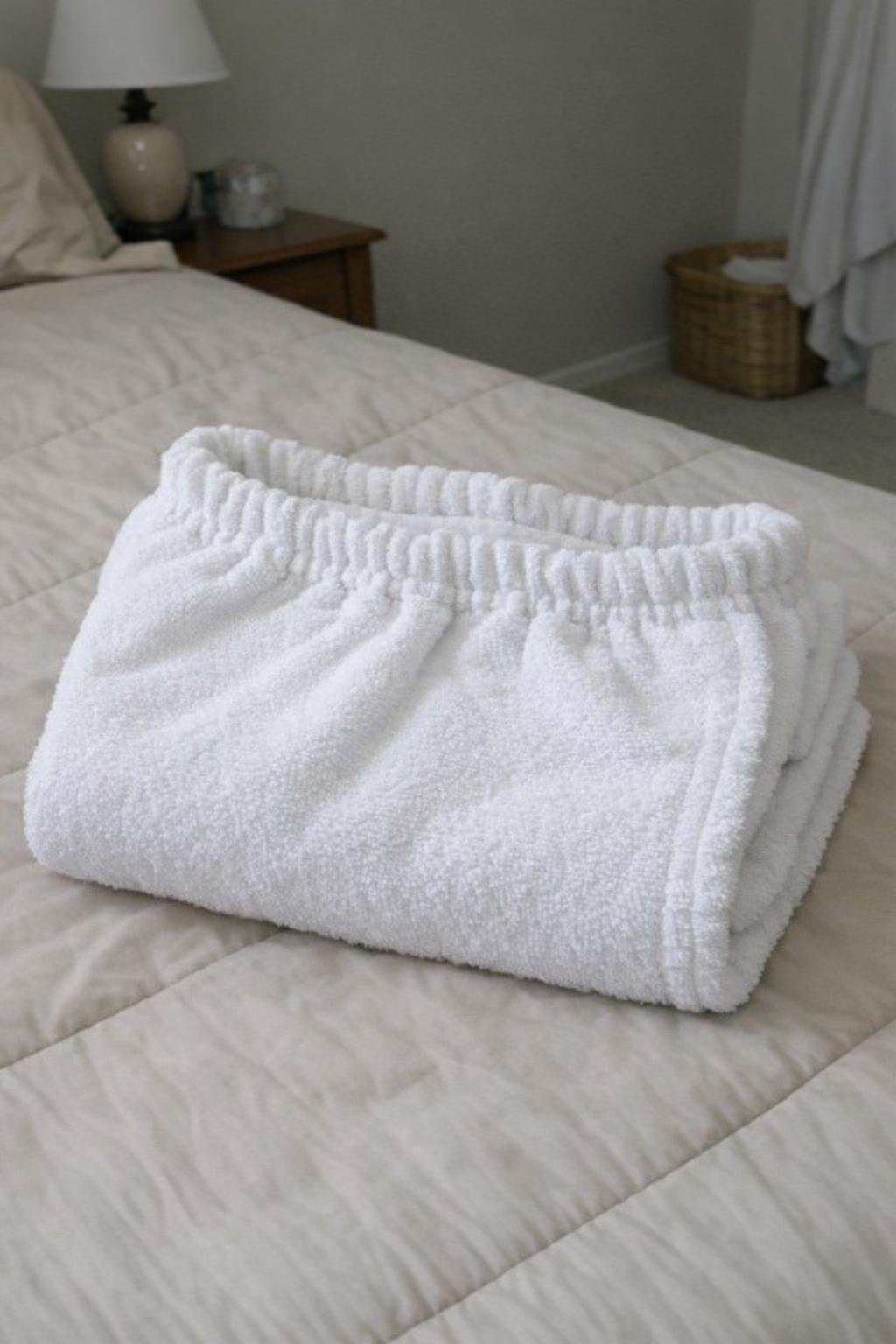
A bath towel can become a wearable wrap with just a little sewing. Fold over the top edge to create a casing for 3/4-inch elastic, leaving enough stretch to hold the wrap snugly across the chest. Add a strip of Velcro 4 to 6 inches long near the opening so it closes securely.
I recommend using a full-size bath sheet if you want extra overlap, especially for an adult fit. This is a smart guest-room or dorm project, and it’s far more absorbent than the thin wraps sold in many stores. If the towel already has a decorative border, place that edge at the top for a more finished look.
14. Baby bibs
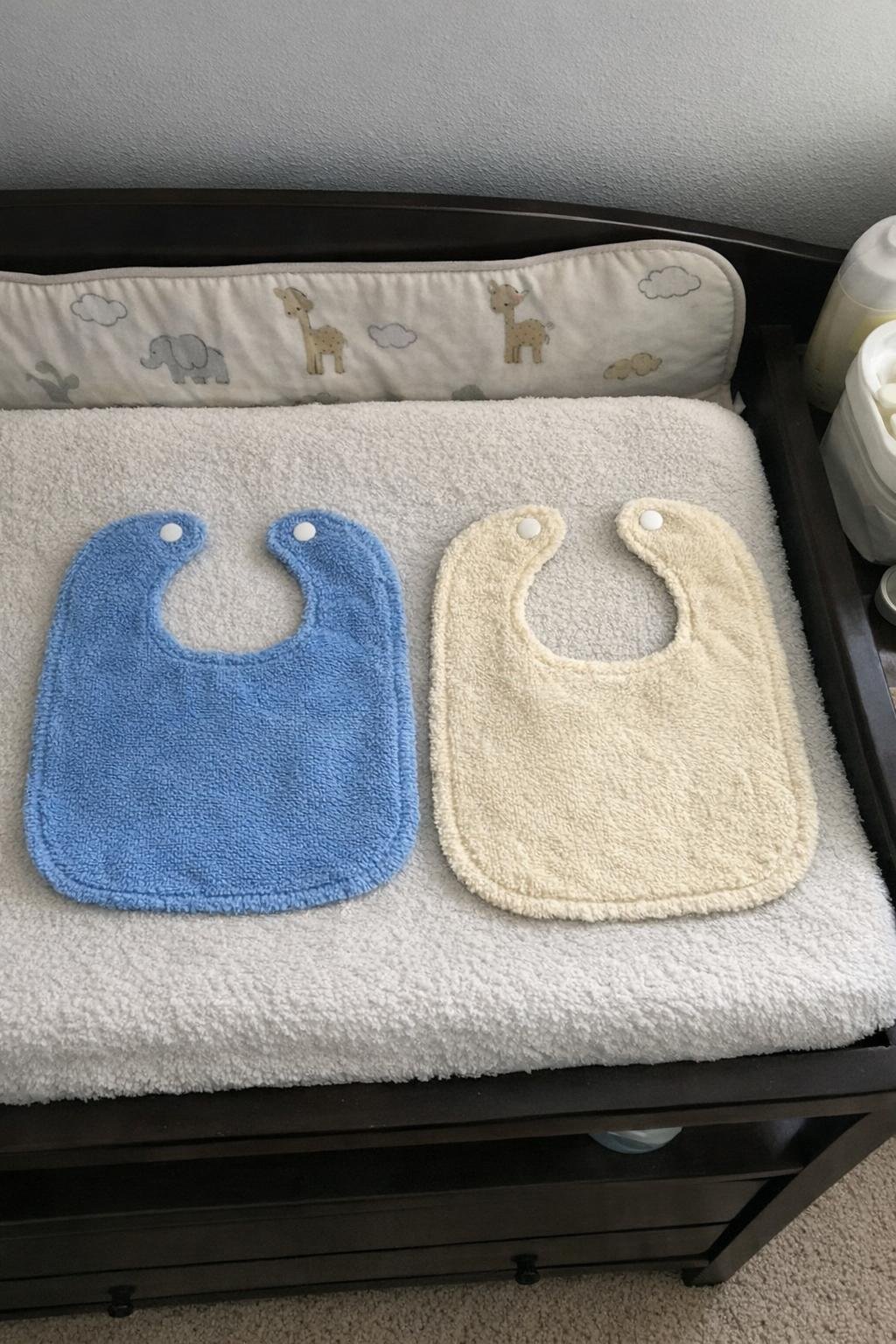
Hand towels are almost ideal for bibs because they’re absorbent without being too bulky. Trace a simple bib shape about 8 inches wide and 12 inches tall, cut two or three pieces from one towel, finish the edges with bias tape or a zigzag stitch, and add a snap at the neck opening.
I’ve made these for friends with babies, and they appreciate having bibs that can handle purees, teething drool, and full cup mishaps. If you want a neater front, use the towel as the backing and add a cotton print on the face side, but plain terry is perfectly functional on its own.
15. Pot holders
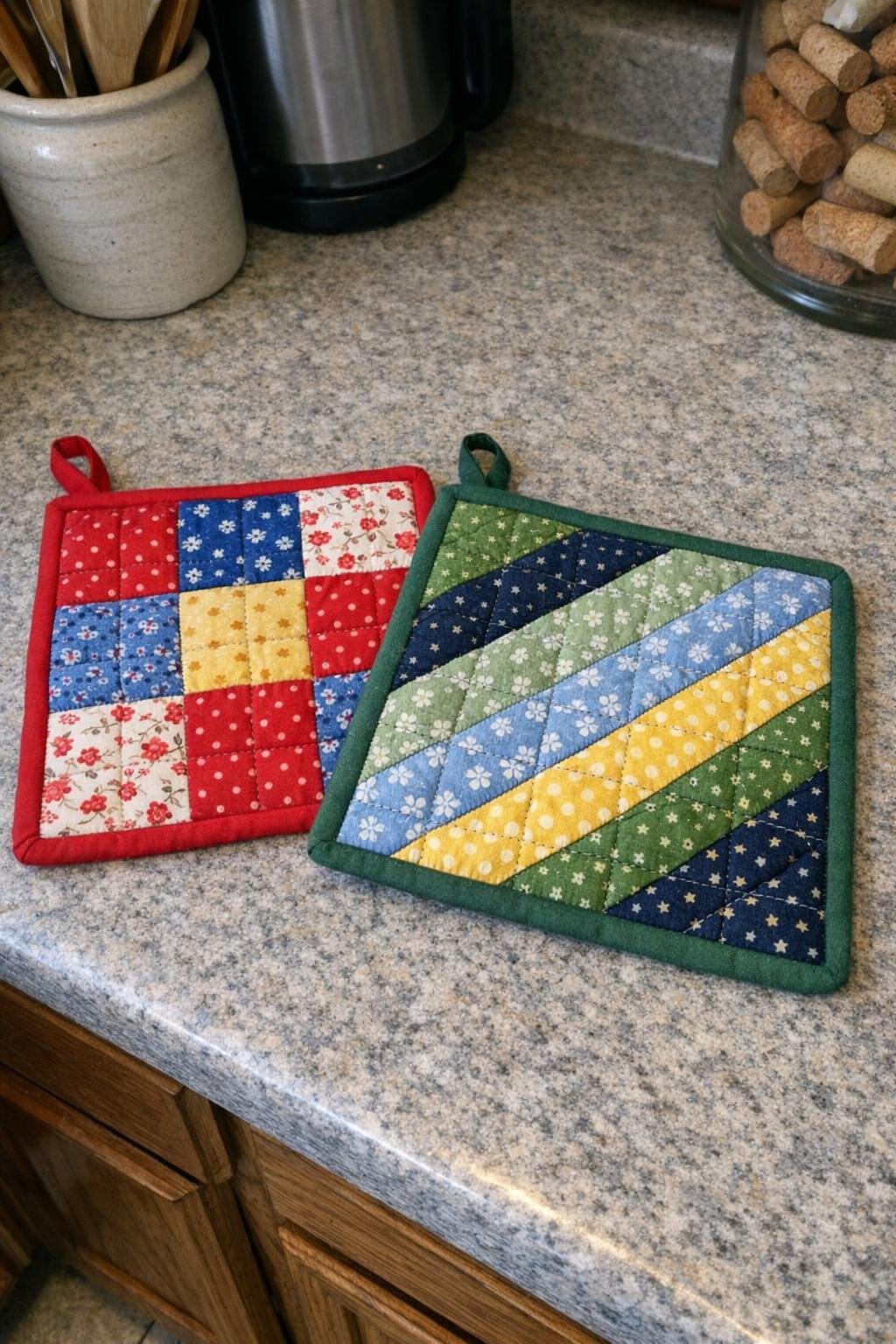
Towel fabric works nicely inside pot holders because it adds padding and a bit of heat resistance. Layer three pieces of towel between two cotton outer squares, each about 8 by 8 inches, then quilt through all layers in a simple 1 1/2-inch grid to keep everything from shifting. Bind the edges or turn them and topstitch.
I still prefer oven mitts for very hot cast iron, but these are excellent for casserole dishes, pot lids, and warm baking sheets. If you use cheerful cotton on the outside, nobody would guess the core came from an old towel. Make a hanging loop in one corner if you want them within easy reach.
16. Towel cats
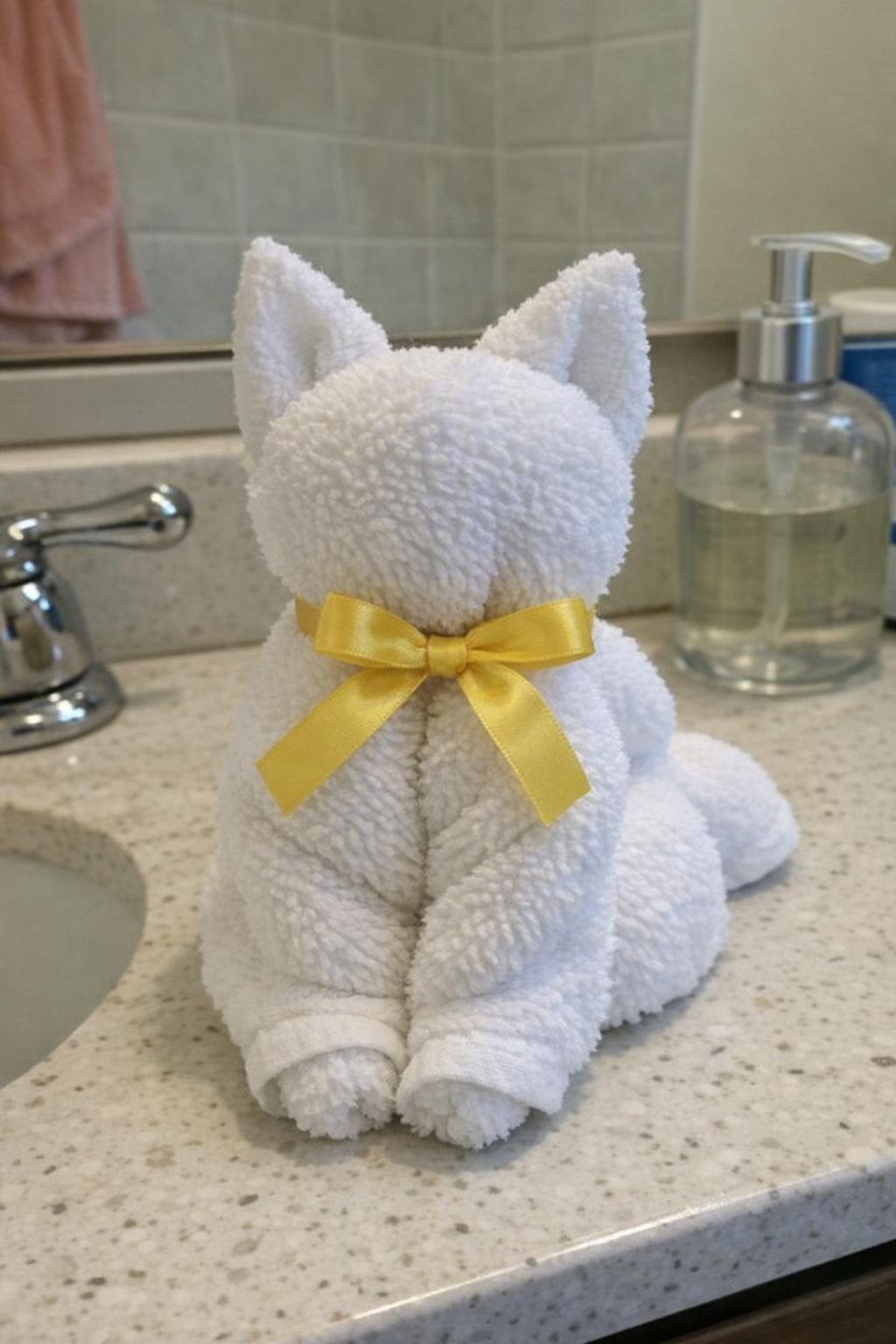
This decorative fold turns a plain towel into a playful sitting cat shape. Roll the towel from both sides toward the center, fold and bend the form upright, then tie a ribbon near the “neck” to hold the body and define the head. A medium hand towel usually gives the best size and stability.
I’ve seen these used in guest bathrooms in place of standard folded towels, and they always get a smile. They’re not permanent décor, of course, but they make a charming photo-ready accent for visitors or houseguests. Choose a solid towel so the shape reads clearly.
17. Outdoor pillow covers
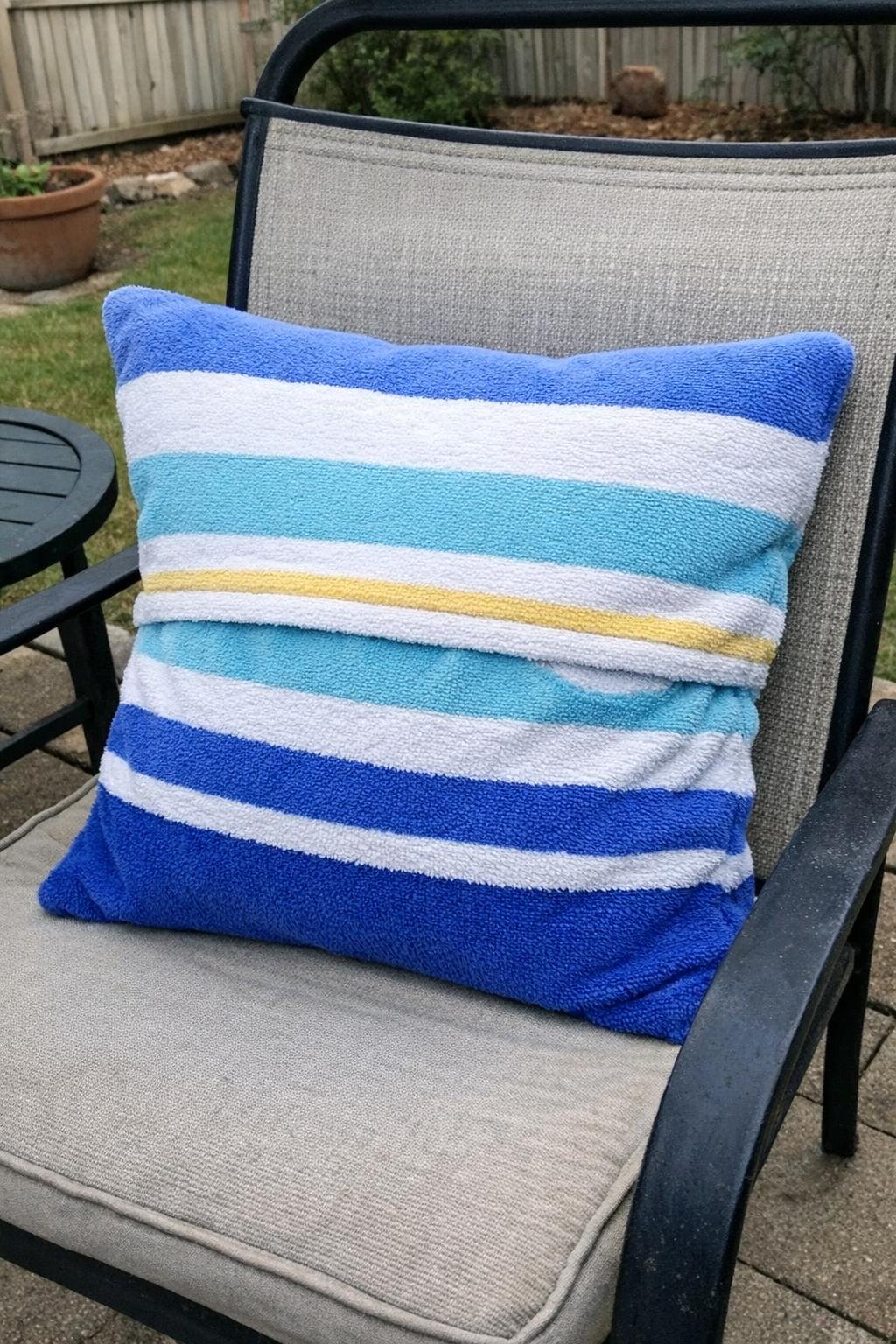
Striped towels make especially good patio pillow covers because the fabric already has a summery, cabana-style look. Cut the towel to fit your pillow insert with a 1-inch seam allowance, sew an envelope back with overlapping panels, and slip it over a standard 18-inch square outdoor pillow form.
The terry surface is casual and comfortable on porch furniture, especially after a swim. I’d bring them inside during heavy rain, but for everyday deck or sunroom use they’re excellent. If the towel border is attractive, center it on the front panel so it looks intentional rather than improvised.
18. Hanging caddy
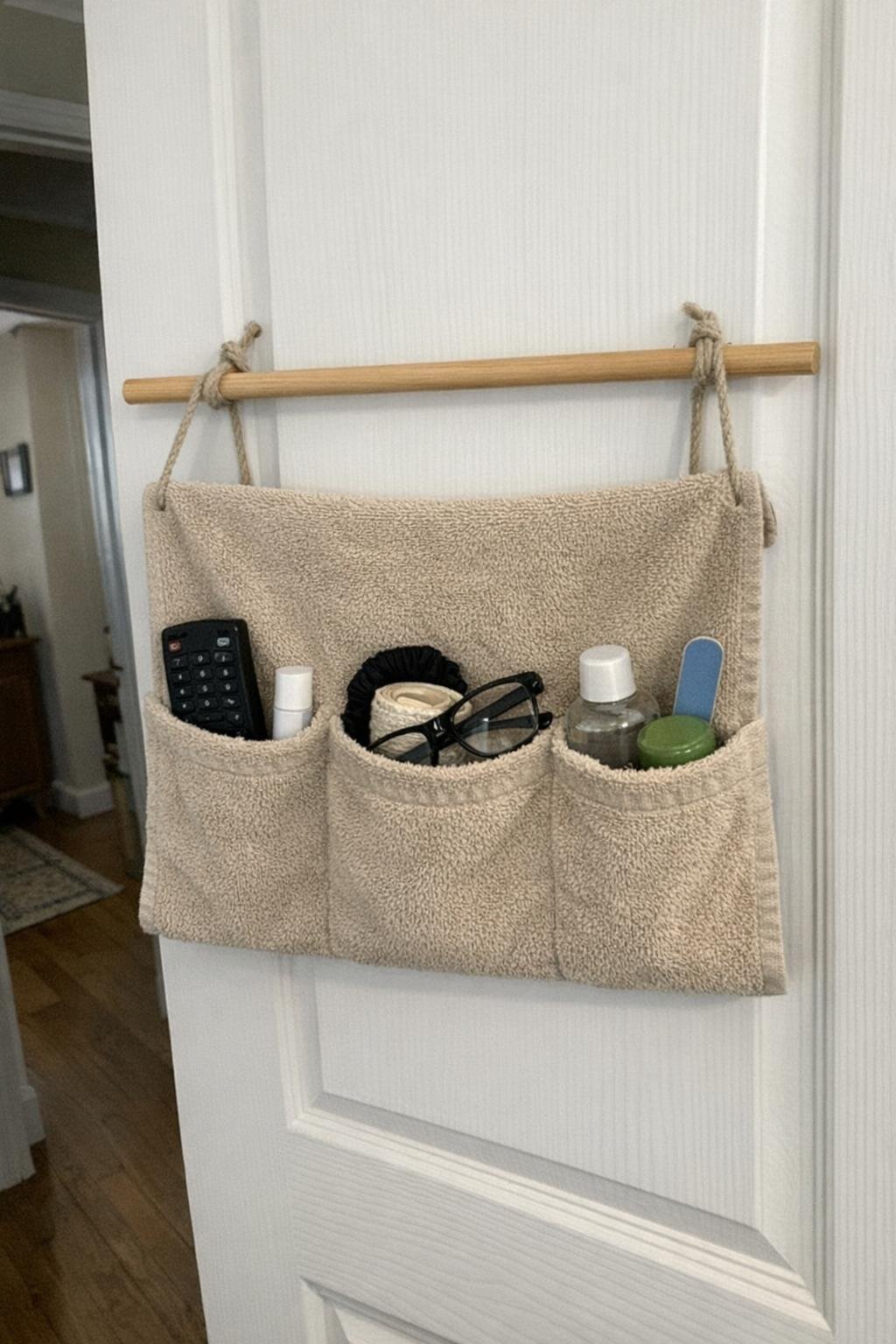
This is a practical small-space organizer for bathrooms, laundry rooms, or kids’ rooms. Fold a bath towel lengthwise, then upward into three stacked pockets, stitching the sides and each pocket division. Slide a wooden dowel through the top fold or create a rod pocket, then hang it behind a door or on wall hooks.
Each pocket can hold hairbrushes, washcloths, cleaning bottles, or rolled socks depending on where you hang it. A towel around 27 by 52 inches usually yields three pockets about 8 to 10 inches deep. Because the fabric is soft, it works best with light to medium-weight items rather than heavy tools.
19. Kitchen towels
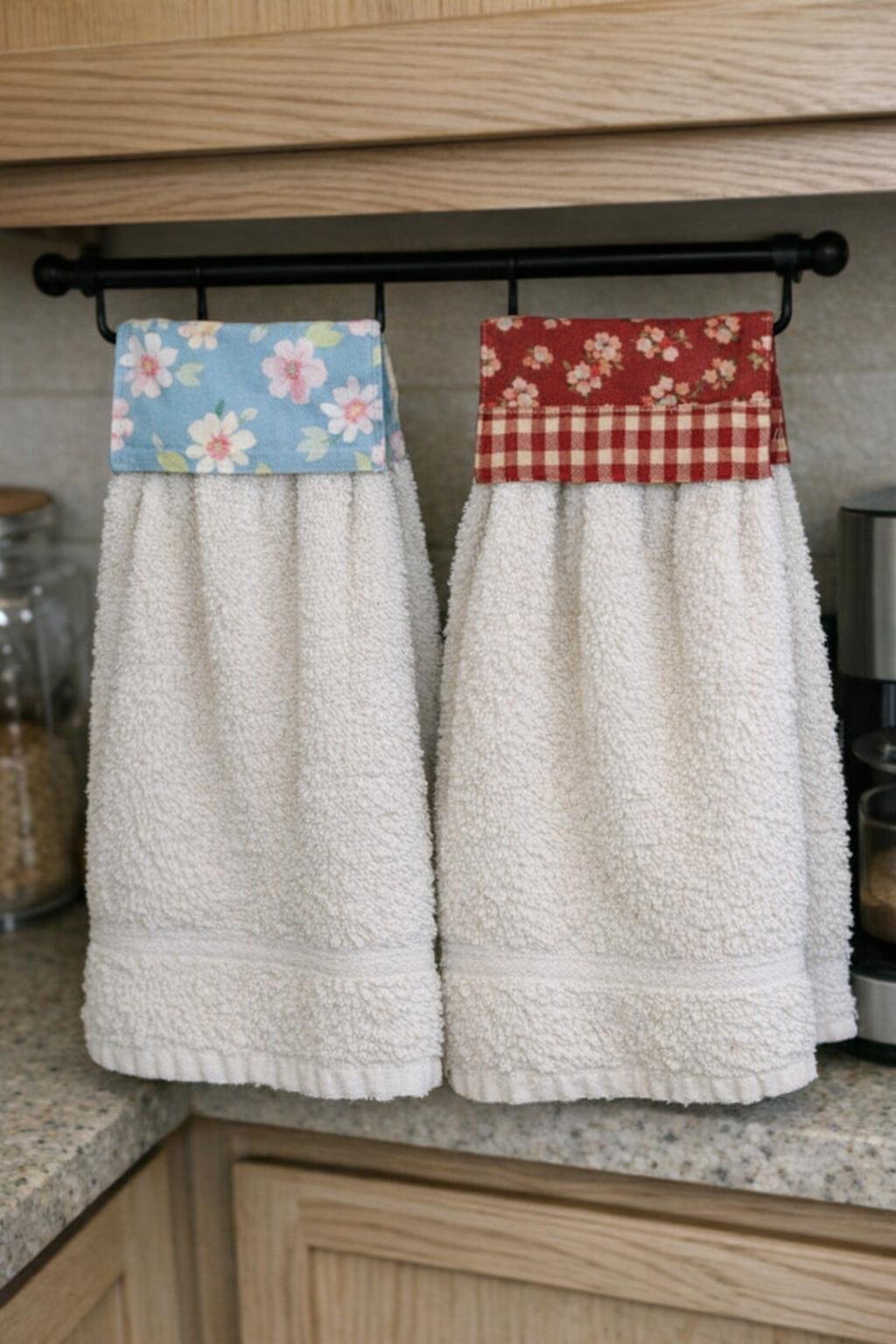
If you have one oversized bath towel that’s still absorbent but not pretty enough for bathing, cut it in half crosswise and hem the raw edge. Sew a band of cotton print fabric, about 3 inches tall, across the top portion for a cleaner finished look and a built-in hanging area that dries faster than thick terry.
These are ideal for drying produce, catching drips near the sink, or handling the constant mess of cooking. As someone who spends a lot of time in the kitchen, I can tell you there is no such thing as too many sturdy towels. The cotton band is also a nice way to coordinate them with the room.
20. Pet cushion
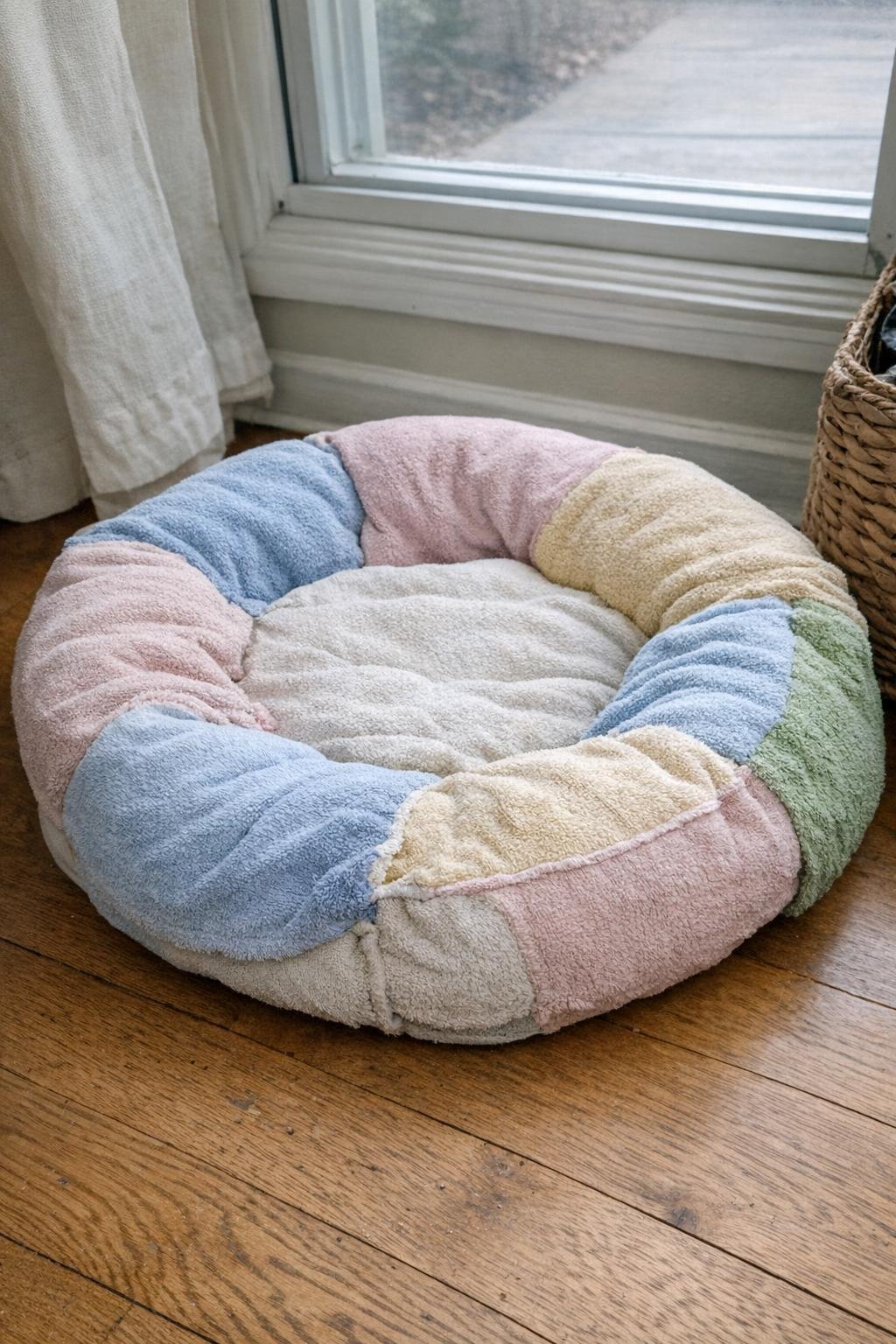
This final project is a smart way to use every odd leftover piece from the others. Sew two towel rectangles together into a simple pillow shape, around 20 by 24 inches for a cat or small dog bed, and stuff it firmly with clean towel scraps. Stitch the opening closed by hand or add an envelope closure if you want to refill it later.
The finished cushion is washable, soft, and nicely substantial without costing anything extra. I like to place one inside a crate or by a sunny window. If your scraps are lumpy, break them into smaller pieces before stuffing so the pillow lies flatter and looks more inviting.
Old towels may not look promising in the linen closet, but once you cut, braid, stitch, and fold them with a little intention, they can turn into some of the most useful handmade items in the house.