
By the time winter settles in, most folks around here think the flower garden is done for the year. I used to hear that from neighbors all the time: “See you in spring, Georgia.” But the truth is, the biggest peonies, the fullest hydrangeas, and the tulips that stop you in your tracks are usually decided long before the first robin shows up. Winter is not dead time in the garden. It is the quiet work season.
I garden in the practical old Midwestern way, where we watch the thermometer, save what can be saved, and do jobs in the right order. These 20 tasks run from first frost through late winter for zones 4 through 8, with a note where warmer yards need something different. If you want bigger summer blooms instead of a lot of leaves and regret, this is the winter checklist I’d keep right by the back door.
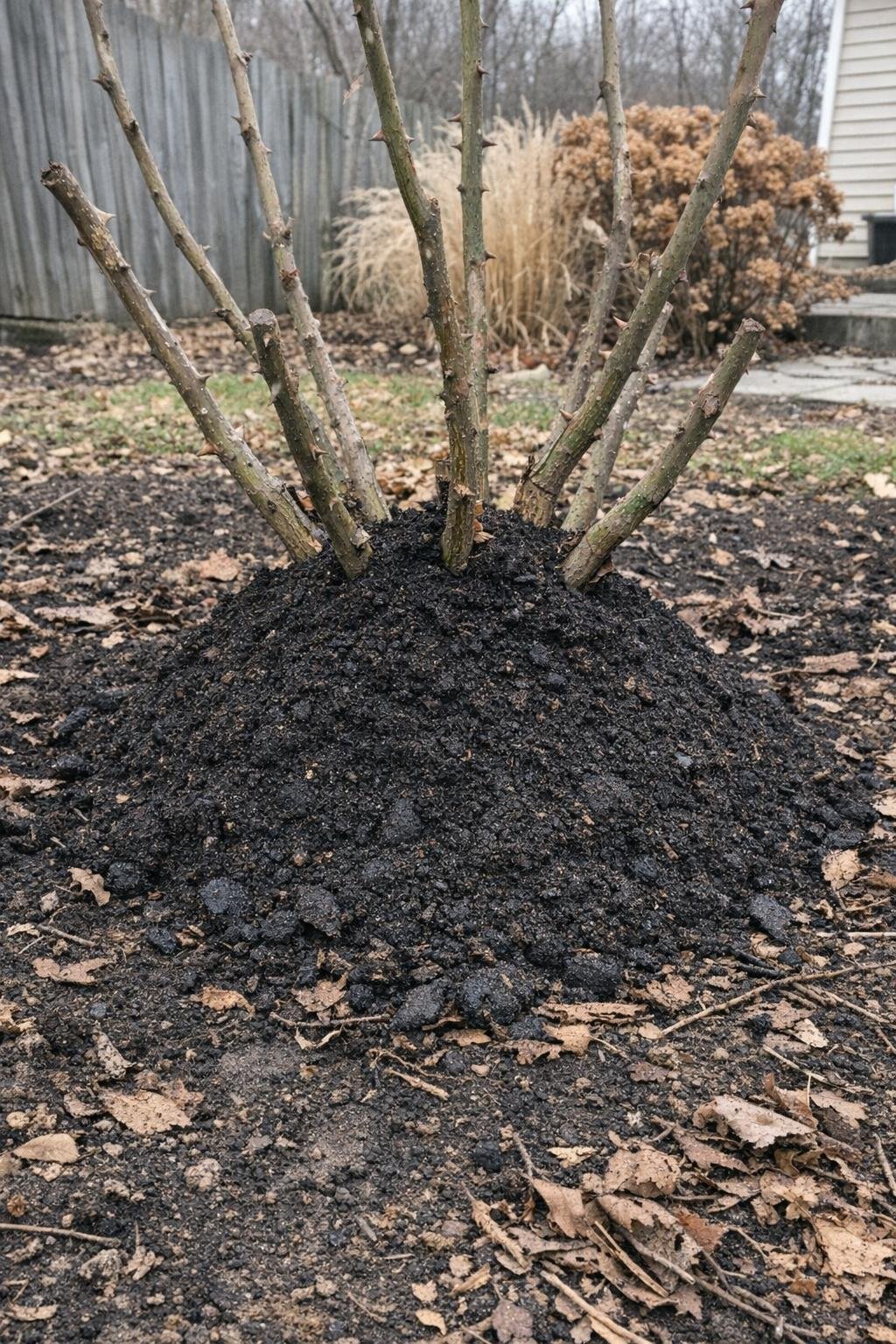
1. Mound 10 inches of compost over rose crowns
This applies to grafted roses and tender shrub roses, especially hybrid teas, floribundas, and grandifloras in zones 4 to 7. After the first hard freeze, mound about 10 inches of loose compost over the crown and graft union. The goal is to insulate the most vulnerable part of the plant after it has gone dormant, not to force warmth too early.
Do not use soggy leaves packed against the canes, and do not do this before freezing weather arrives, or you can invite rot and mice. In early spring, once the worst cold has passed, pull that compost back down gently. I’ve saved many a rose that way after ugly winters with wind that could cut through a wool coat.
2. Do NOT prune hydrangeas, lilacs, forsythia or azaleas now
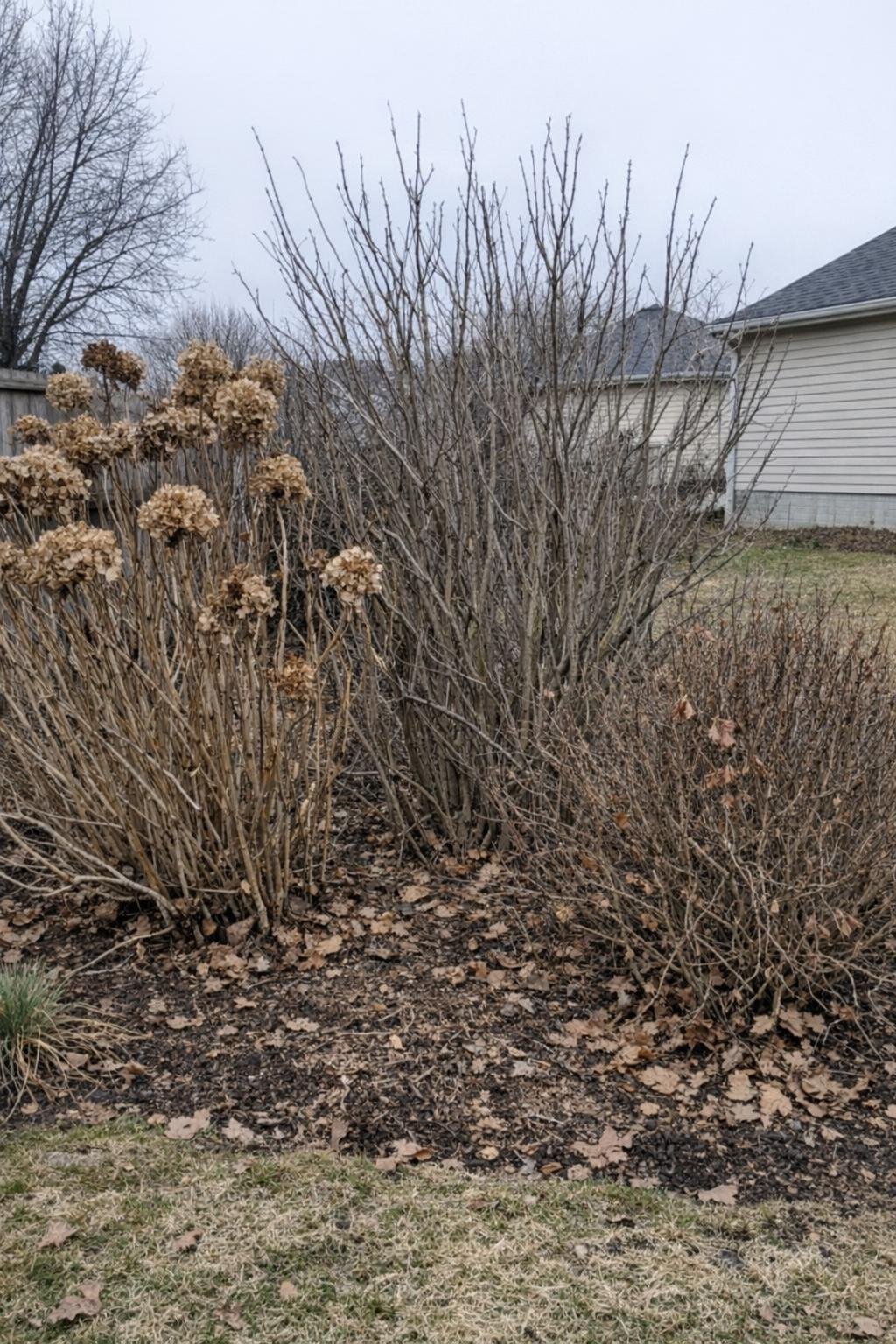
This is the winter mistake that steals a whole season of bloom. Bigleaf hydrangeas, oakleaf hydrangeas, lilacs, forsythia, and most azaleas bloom on old wood, which means their flower buds are already formed on stems that grew last year. If you cut those stems in fall or winter, you cut off the flowers right along with them.
The only thing to remove now is truly dead wood: brittle canes that snap dry, or stems that show no green when lightly scratched. Do not confuse these with summer bloomers like panicle hydrangeas, smooth hydrangeas, or butterfly bush, which are pruned later because they flower on new growth. When in doubt, leave it alone until after bloom.
3. Dig and store dahlia tubers
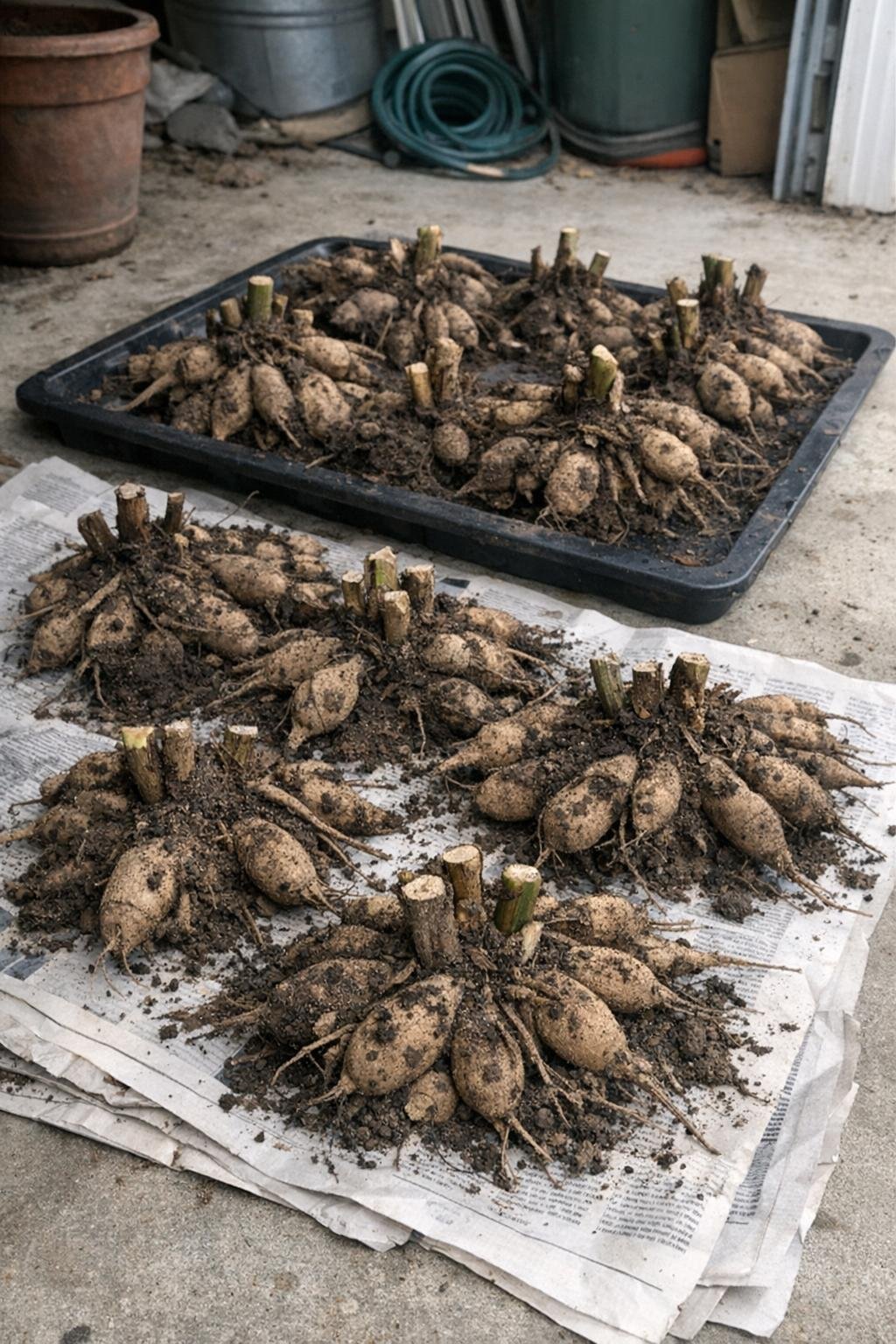
Dahlias are worth the trouble if you want big summer bloom, but in zones 4 through 7 they usually cannot stay in the ground. Wait until frost blackens the foliage, then give them about a week so the tubers finish ripening. Cut the stems to 4 to 6 inches, dig 8 to 10 inches away from the clump so you do not spear the tubers, and lift them gently.
Let the clumps dry for 7 days in a cool, airy place out of direct sun. After that, brush off loose soil and pack them in dry vermiculite at 40 to 50 F in a basement, garage, or root-cellar-like spot that does not freeze. Do not seal them in plastic. If they shrivel badly, your air is too dry; if they mold, it is too damp.
4. Plant tulips and daffodils until the ground freezes
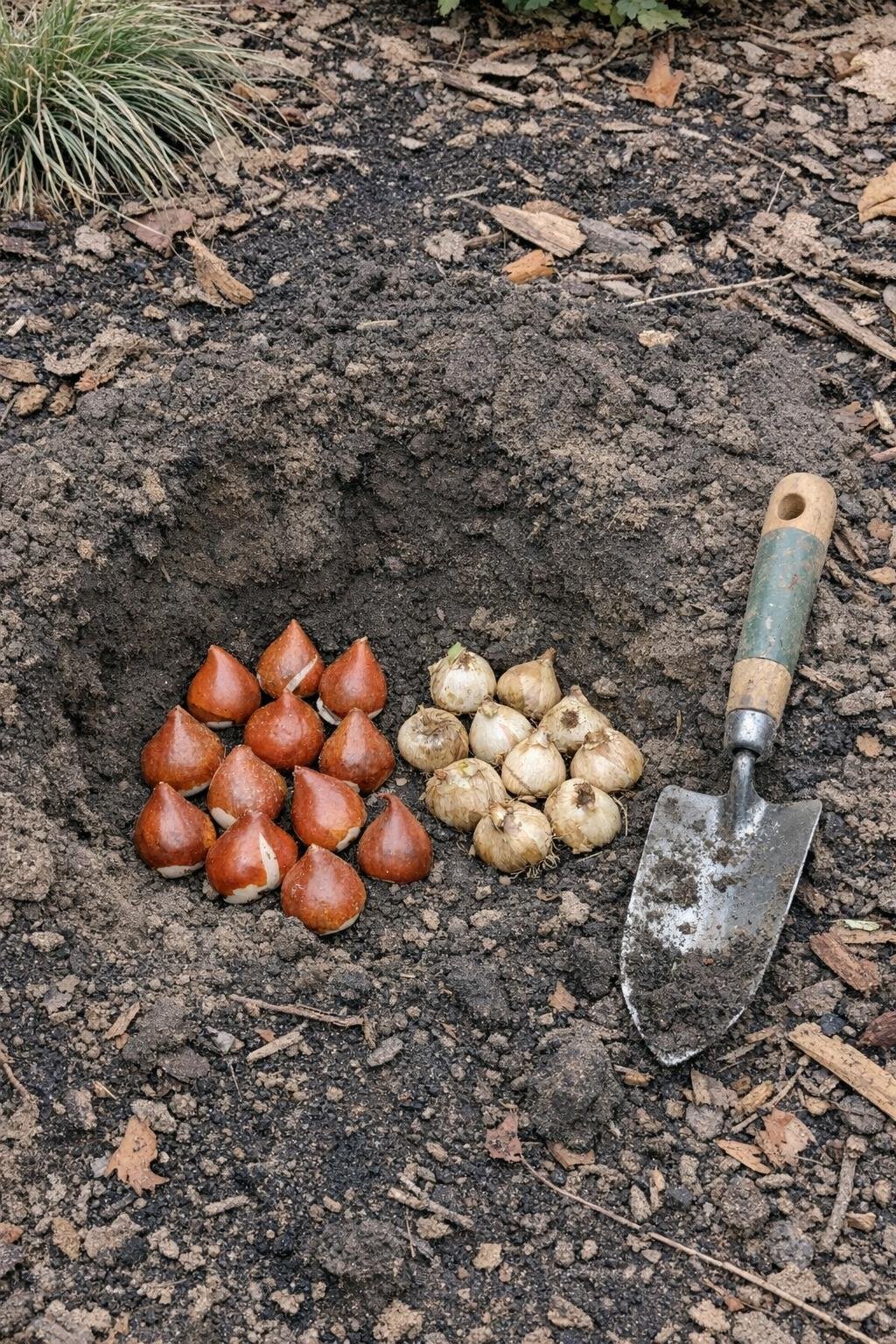
If the soil is still workable, it is not too late. Tulips and daffodils can go in right up until the ground freezes solid. Plant bulbs 6 to 8 inches deep, measured from the bulb’s base, and I like to set 3 bulbs in each hole for a fuller clump instead of one lonely stem here and there. That old trick makes a bed look established by spring.
These bulbs need 12 to 16 weeks of cold to build strong flowers, which is why fall and early winter planting matters so much. Tulips and daffodils are the ones for this step, not tender summer bulbs like gladiolus or cannas. Water the planting hole once after planting if the soil is dry, then let winter do the rest.
5. Water everything deeply one last time before the ground freezes
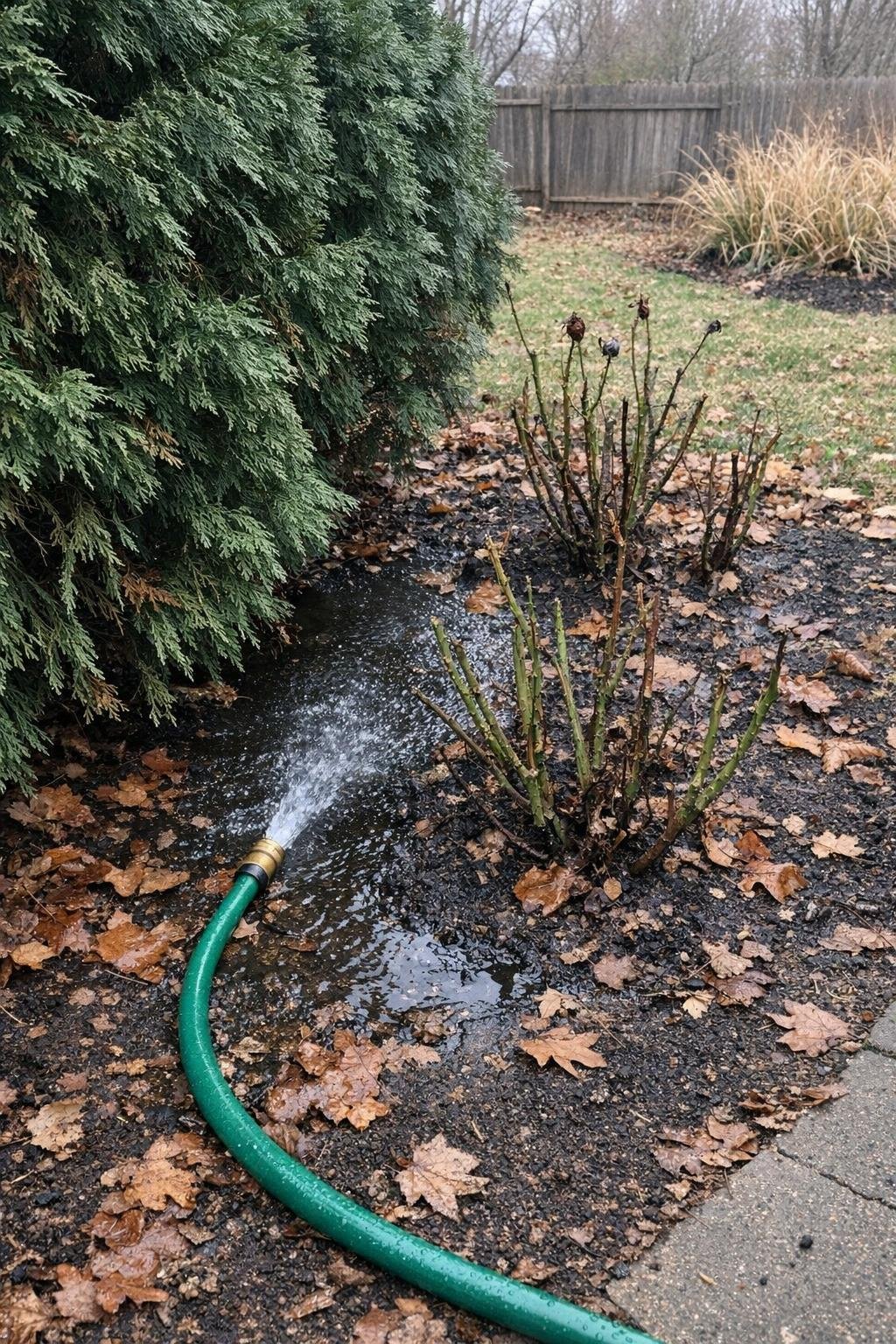
This step is especially important for evergreens, roses, and shrubs planted within the last year or two. Before the ground freezes, give them a deep final soaking equal to about 1 inch of water. If you use a sprinkler, set a tuna can or straight-sided cup out to measure it. Winter burn and dieback are often caused by dry roots, not simply by cold air.
Do this on a day when the soil still takes water in, not when the top inch is already frozen. Broadleaf evergreens, arborvitae, boxwood, roses, and newly planted hydrangeas all benefit. Established native prairie perennials usually do not need the same fuss, but woody plants almost always appreciate it.
6. Bag your bigleaf hydrangeas before the first hard freeze
This is for bigleaf hydrangeas, meaning mophead and lacecap types, not panicle hydrangeas or smooth hydrangeas. On bigleaf kinds, next summer’s flower buds are already sitting on the old wood by fall, and those buds can die when temperatures hit about 5 F. Before your first hard freeze, pull a large clear plastic bag or a proper frost bag over the whole shrub, loosely stuff it with dry leaves, and tie it at the base so the wind does not whip it loose.
On mild sunny days above 40 F, open the bag for air so moisture does not build up and rot the buds. I do not pack the leaves tight, because trapped damp is as bad as cold. If your hydrangea blooms on new wood, like panicle or smooth types, skip this step; they do not need this kind of bud protection.

7. Cut peonies to 2 inches and burn or bin the foliage
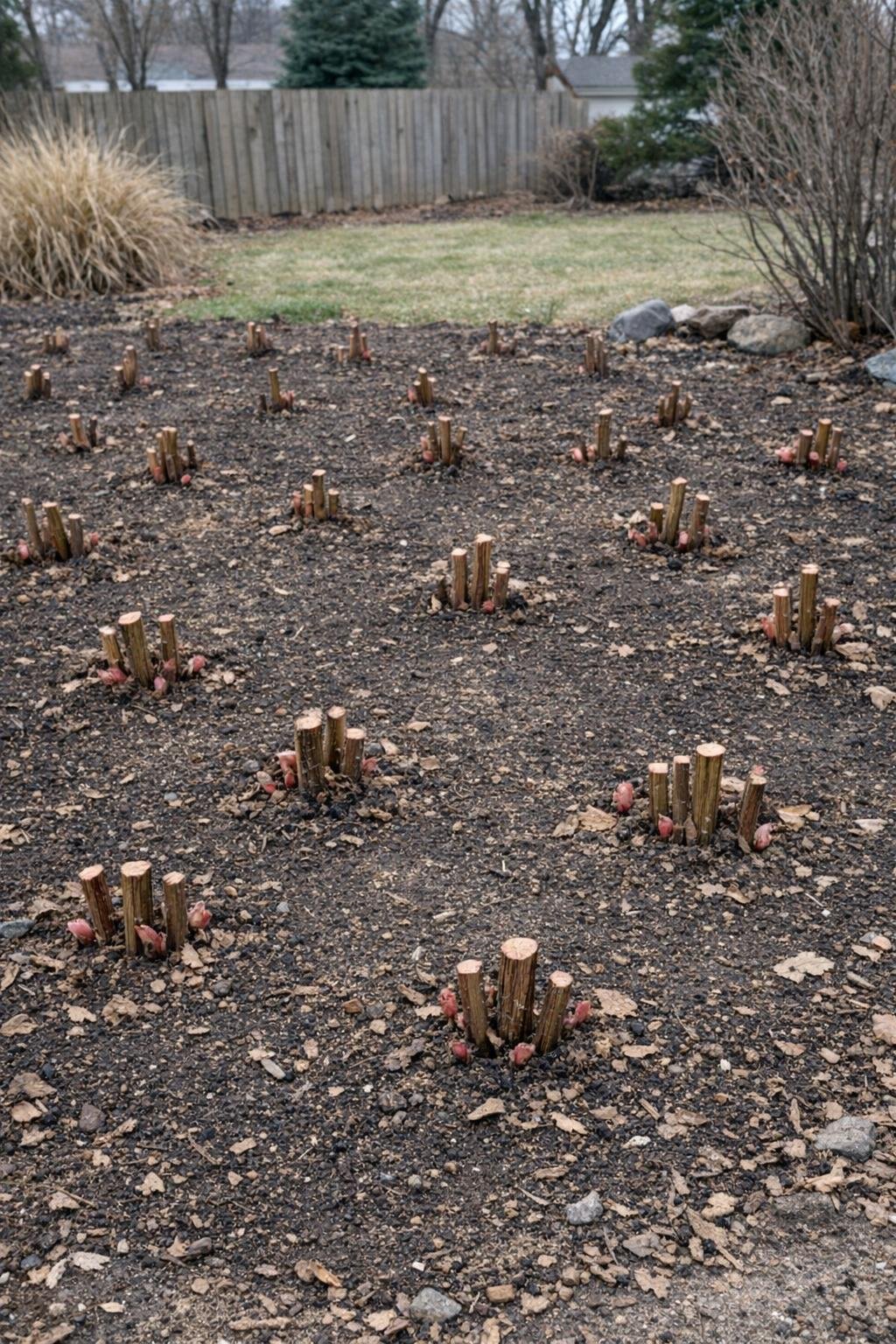
This is for herbaceous peonies, not tree peonies. After a hard frost, cut the stems down to about 2 inches above the soil and remove every bit of the foliage from the bed. Do not compost diseased peony leaves if you have had botrytis blight; bag them or burn them where legal. Clean-up now prevents spores from splashing back up in spring.
Be sure the peony eyes stay just 1 to 2 inches below the soil surface. Do not bury them under thick mulch, because peonies planted too deep often give you healthy leaves and very few flowers. That lesson was taught to me by my mother, and she was right as rain.
8. Give lavender a gravel collar instead of mulch
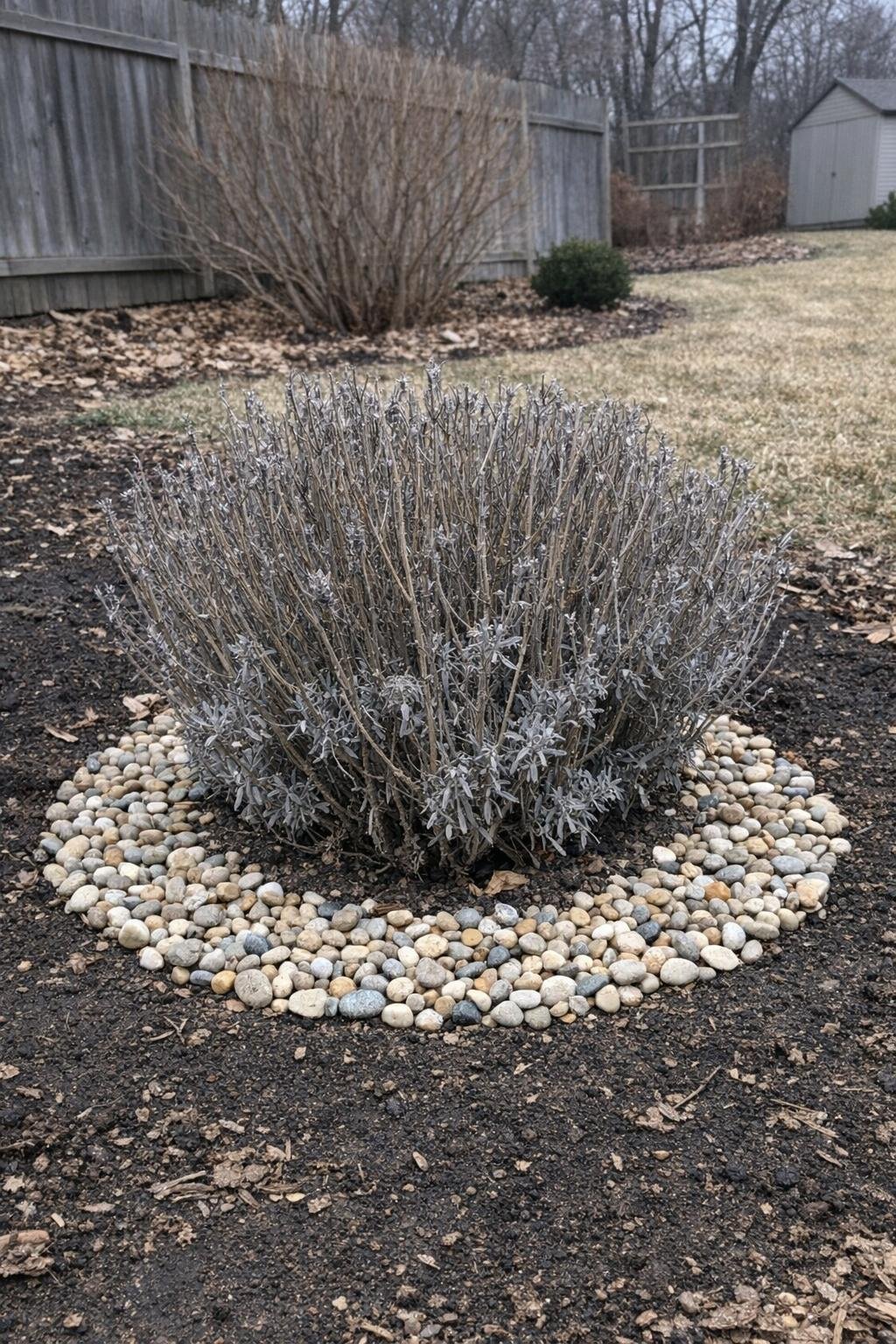
This applies to English lavender and similar shrubby lavenders that hate wet crowns in winter. Instead of piling bark or shredded mulch around them, spread a 1-inch layer of pea gravel in a ring about 6 inches out from the crown. Gravel sheds moisture and keeps the base dry, which is exactly what lavender wants in cold weather.
Do not do this for moisture-loving perennials, and do not bury the crown itself. In heavy clay or a wet winter bed, lavender often dies from rot long before spring warmth arrives. Dry crowns bloom; soggy crowns sulk or collapse. I’ve had much better luck since switching from mulch to gravel for every lavender planting by the walkway.
9. Stop fertilizing until March
Once late fall arrives, put the fertilizer away for almost everything in the flower garden. Nitrogen applied now pushes soft new growth that will freeze and blacken at the first real cold snap. That is true for roses, hydrangeas, daylilies, phlox, and most flowering shrubs and perennials in zones 4 through 8.
If you want to add something, make it a light 1-inch top-dressing of compost, not a quick-feed chemical fertilizer. Compost feeds the soil slowly without telling the plant to wake up and grow. Real feeding resumes in March or early spring as your ground thaws and buds begin to stir.
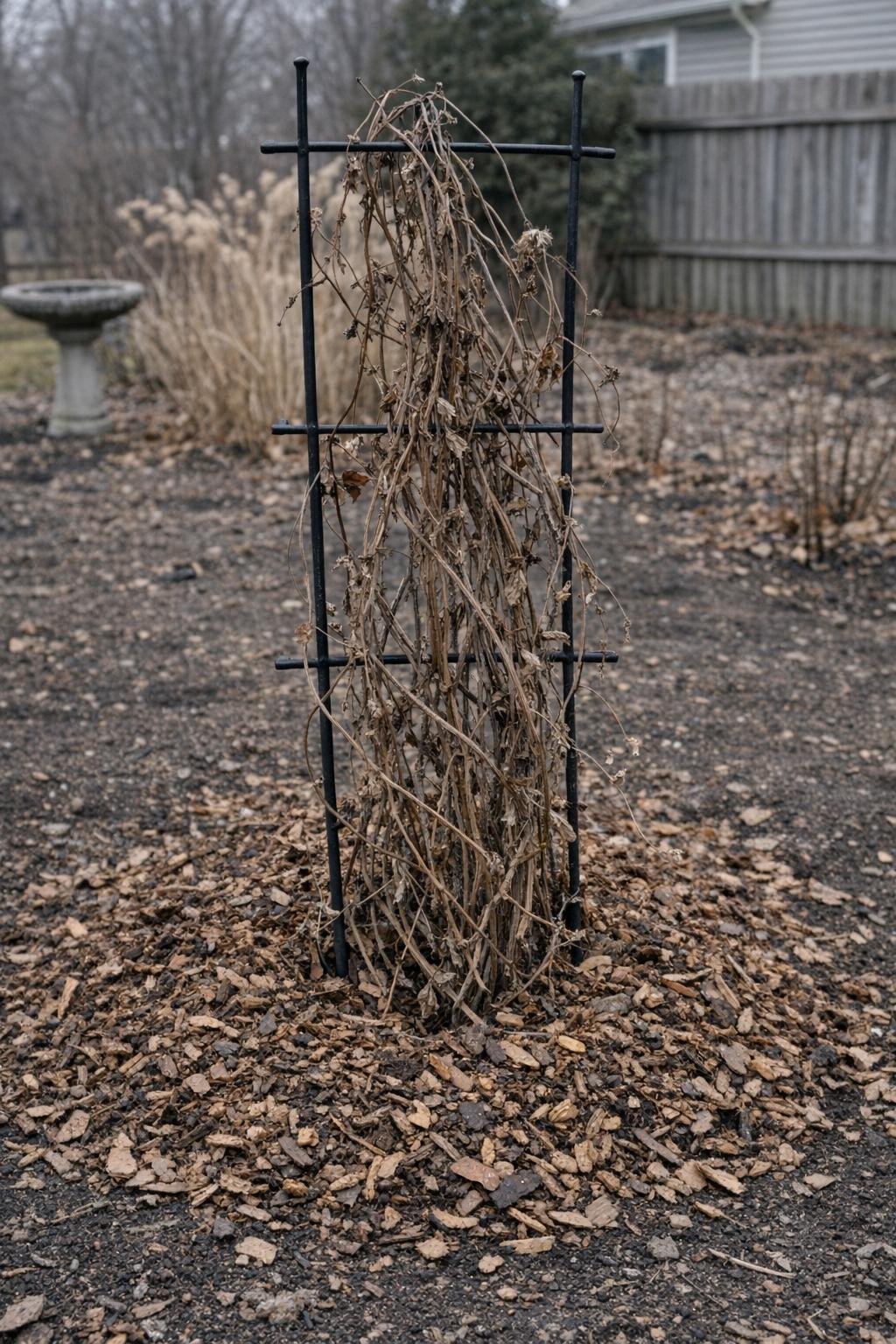
10. Leave clematis standing and mulch its feet
Clematis can fool even experienced gardeners because pruning depends on the variety. If you do not know whether yours blooms on old wood, new wood, or both, do not cut it down in fall. Leave the vines standing through winter and wait until you can identify the pruning group. Cutting the wrong type at the wrong time can mean no flowers at all.
What you should do now is mulch the root zone with 3 inches of shredded leaves or bark, keeping it over the roots rather than packed tightly on the stems. This applies to clematis, not climbing roses or honeysuckle, which have different winter needs. Cool roots and intact vines are the safe choice till spring tells you more.
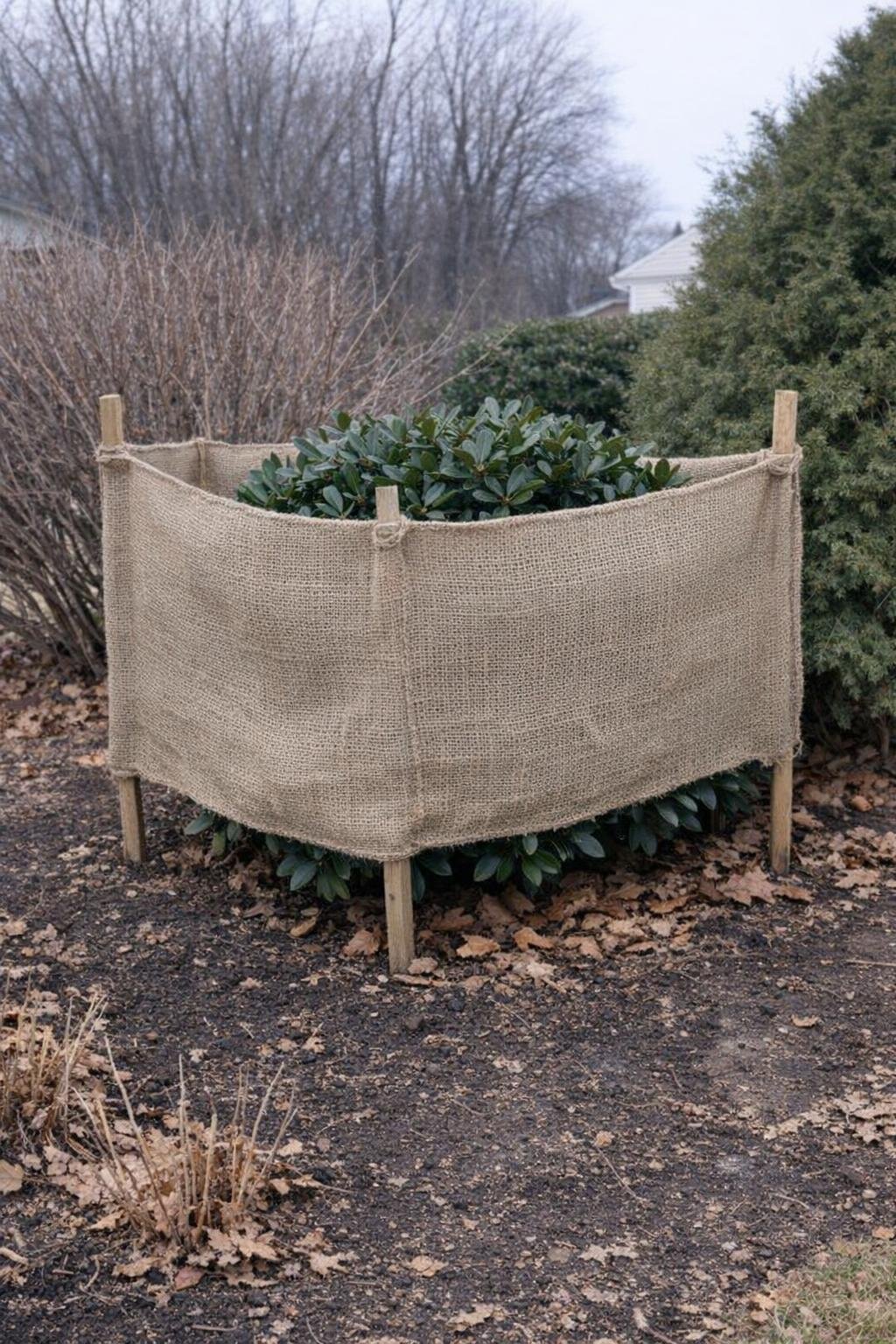
11. Burlap windscreens for rhododendrons, camellias and young lilacs
This is for shrubs damaged by winter wind, especially rhododendrons, camellias in the milder end of zone 7 and 8, and young lilacs in exposed spots. Drive in three stakes on the windward side and attach a sheet of burlap so it blocks the drying wind without touching the leaves. The cover is a screen, not a wrap. If burlap rubs the foliage all winter, it can do harm of its own.
For broadleaf evergreens such as rhododendrons and camellias, you can also apply an anti-desiccant spray when temperatures are above 40 F and dry for a day or two. Do not bother spraying leafless lilacs, but the burlap screen can still help them. Wind takes more flower buds than many folks realize.
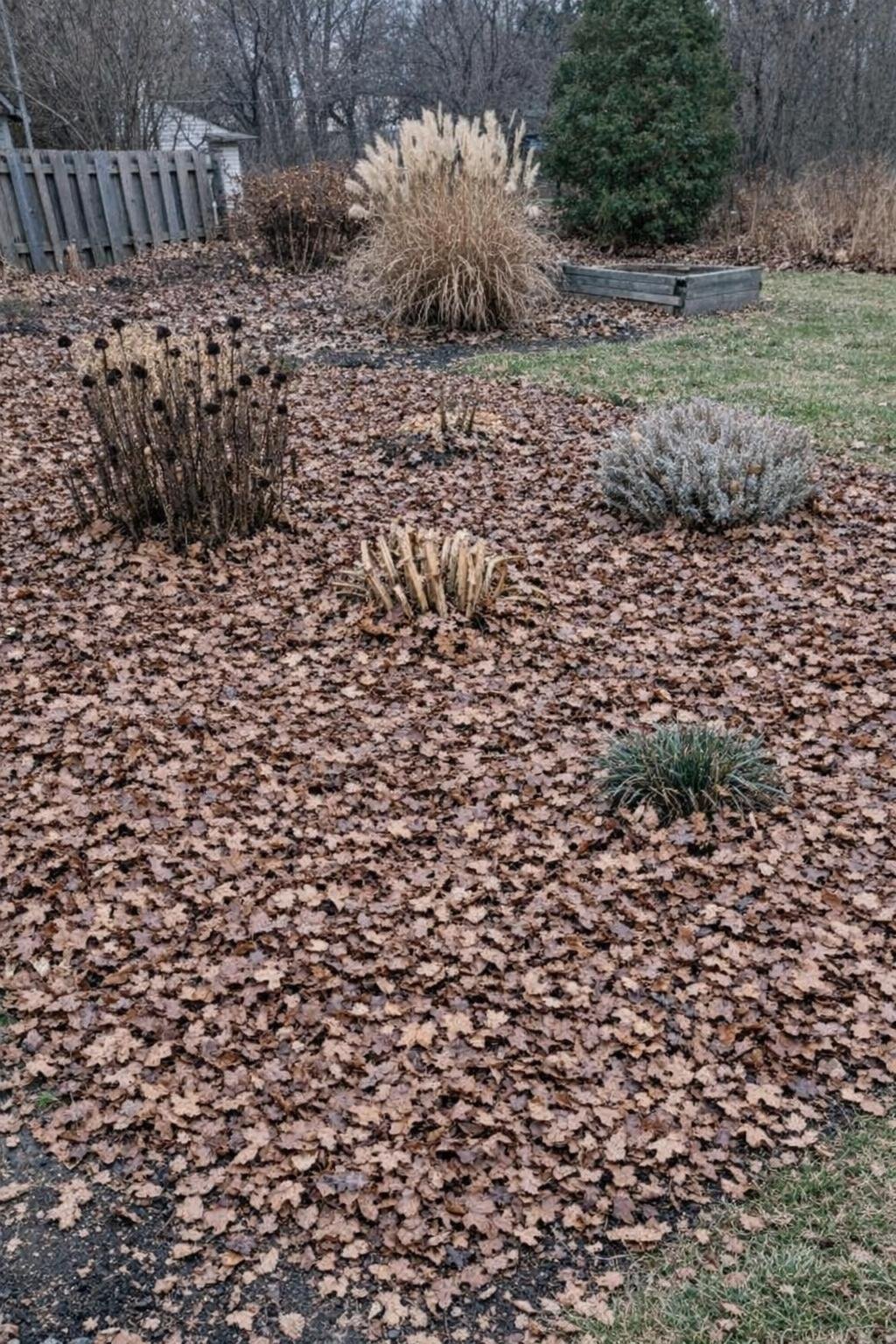
12. Shred the fallen leaves and lay them 3 inches deep over the beds
This may be the best free mulch in the whole garden. Run fallen leaves through a shredder or mower and spread them about 3 inches deep over perennial beds and between shrubs. Shredded leaves insulate the soil, reduce heaving, and break down into good black humus by spring.
Do not use whole leaves in a thick blanket over crowns of delphiniums, coral bells, or other low perennials, because whole leaves mat together and smother plants. Shredded leaves are for beds, not for burying the crowns of peonies or iris. Around here, nothing gets wasted if it can feed next year’s flowers.
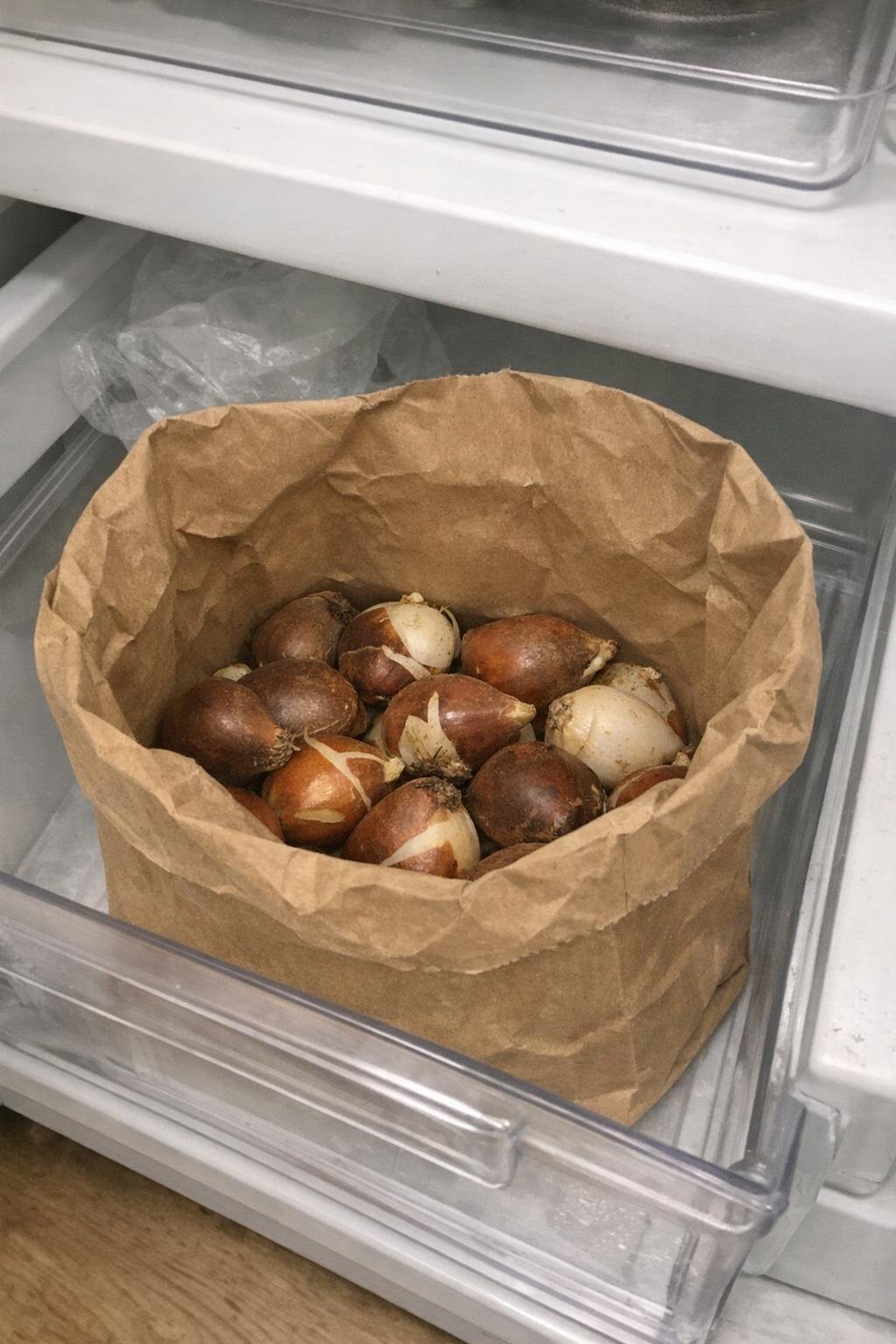
13. Chill tulip bulbs in the fridge for warm-winter yards
If you garden in zone 8 or warmer, tulips often do not get enough cold outdoors to bloom well. In that case, place tulip bulbs in a paper bag in the refrigerator for 10 to 12 weeks at about 40 F, then plant them in late December. Keep them away from apples and other ripening fruit, because ethylene gas can damage the flower embryo inside the bulb.
This is mainly for tulips, not daffodils, which usually handle milder winters better. Do not use a sealed plastic bag, and do not freeze them. It sounds fussy, but if you’ve ever seen short leaves and no flowers in a warm winter yard, you know this little bit of planning is worth it.
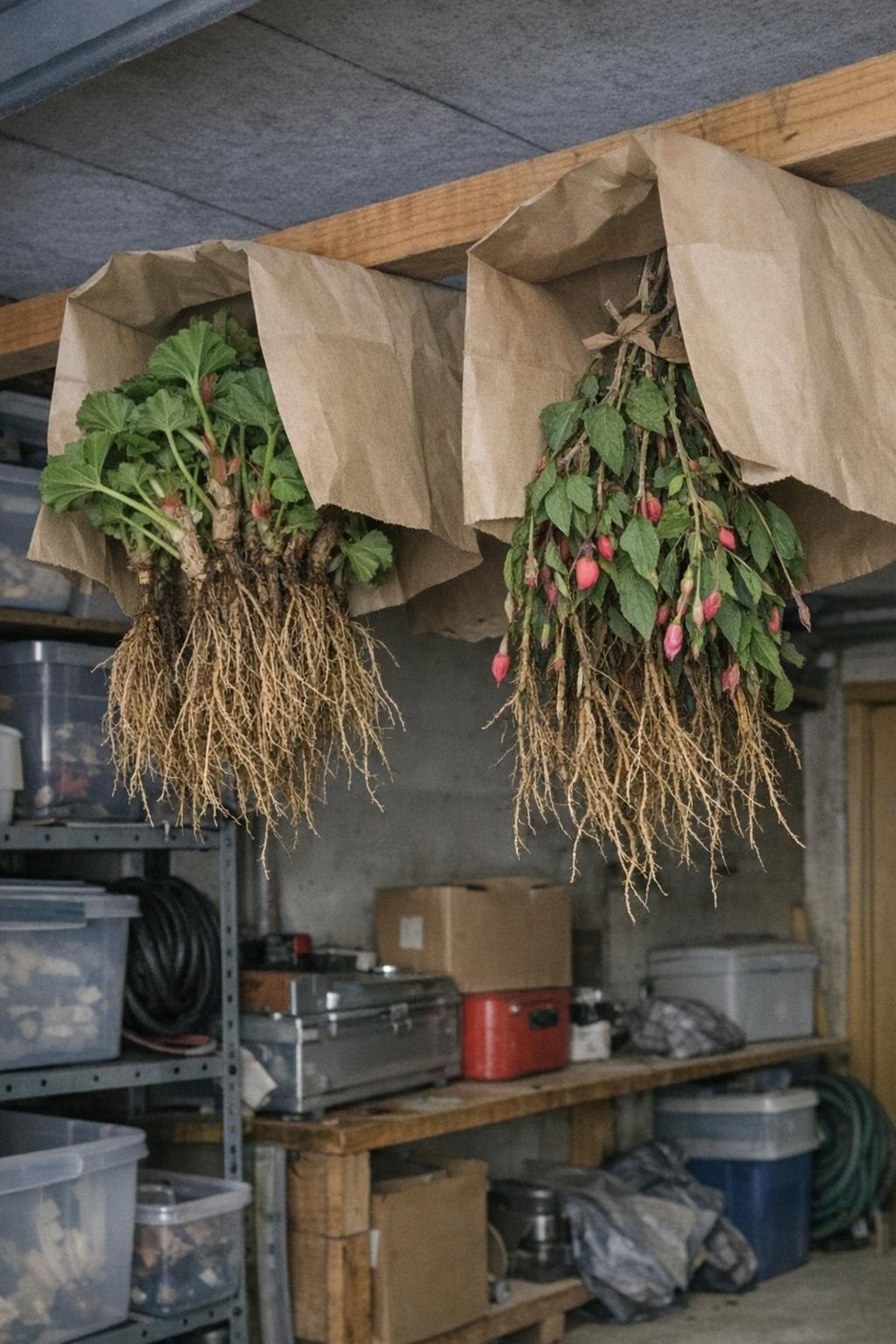
14. Bring geraniums and fuchsias in bare-root
This is an old-fashioned trick I still love for zonal geraniums and fuchsias, not for tropical hibiscus or houseplants that need active winter growth. Shake the soil off the roots, trim back the tops, and hang the plants upside down in paper bags in a dark garage or basement kept around 45 to 50 F. They go dormant and take up very little space.
About once a month, take them down and soak the roots in water for 1 hour, then hang them back up. If they are mushy, it is too damp; if they are crisp as straw, it is too dry. By late winter or early spring, you can pot them up again and save yourself the cost of buying all new plants.
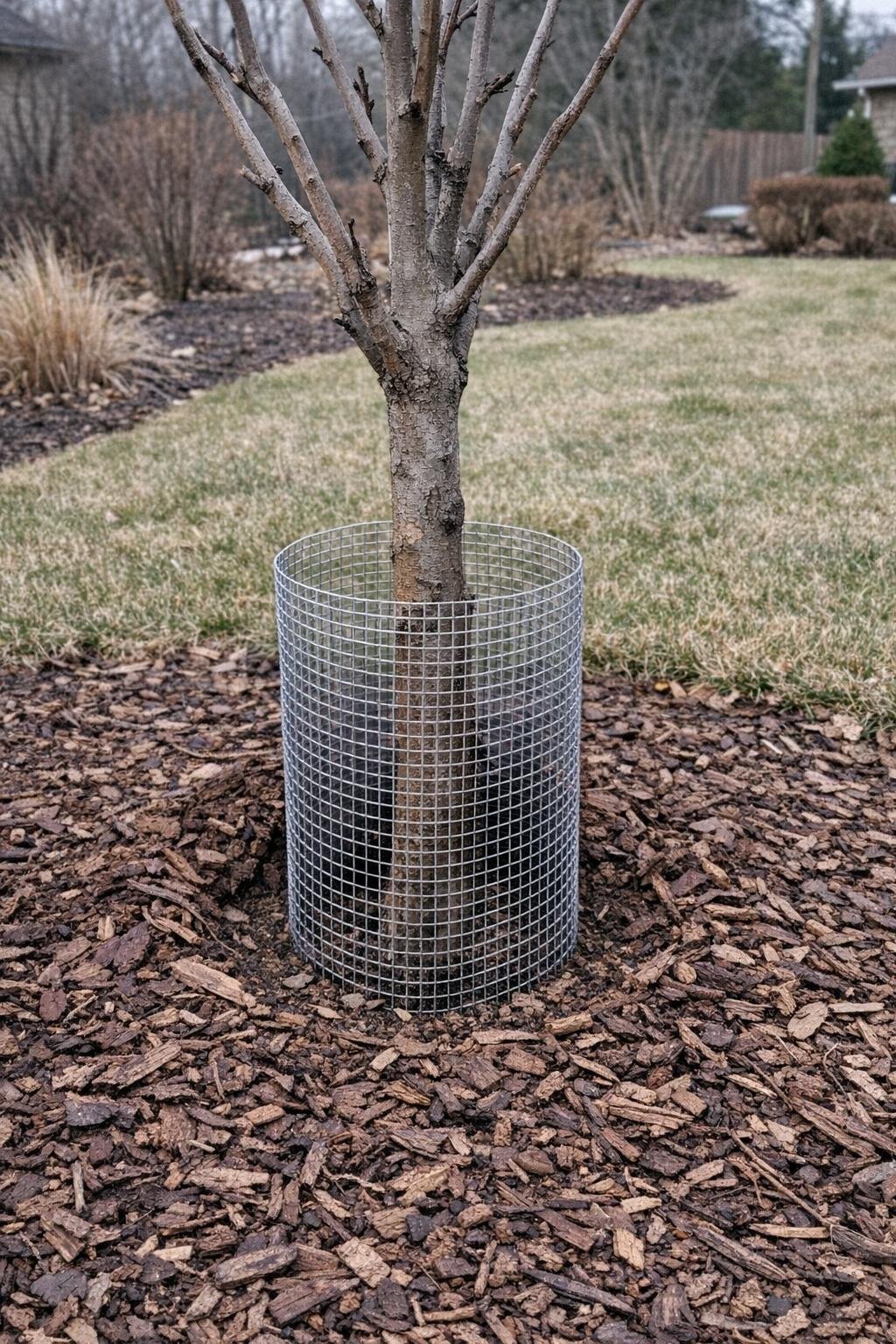
15. Wrap young tree trunks and ring crowns with hardware cloth
If rabbits and voles are common in your yard, this job can save flowering cherries, crabapples, redbuds, and young lilacs from serious damage. Make cylinders from quarter-inch hardware cloth about 18 inches tall and place them around trunks and crowns, with a little space between the mesh and the bark. That keeps gnawing teeth away through the hungriest part of winter.
Keep all mulch 3 inches back from every stem and trunk so rodents are not given a cozy hiding place right where they can chew. This is for young trees and shrub crowns, not for wrapping herbaceous perennials. A flowering tree girdled in January will break your heart by May.
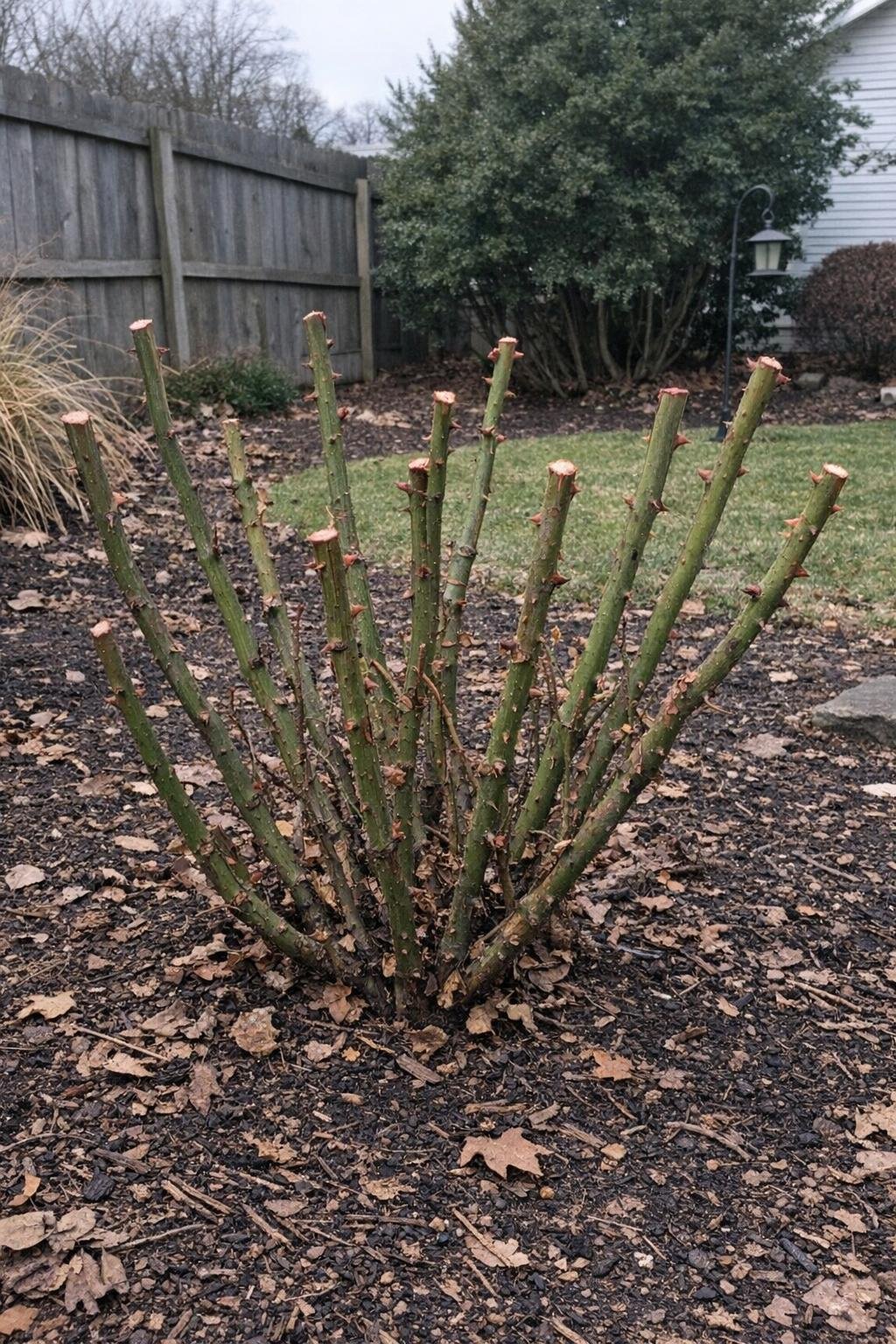
16. Shorten long rose canes to 3 feet now, real pruning waits
This step is for tall roses with long whippy canes, not for a full shaping prune. In late fall or early winter, shorten long canes to about 3 feet so winter winds do not whip them back and forth and loosen the roots. That rocking can do more damage than folks notice until spring shows a weak or tilted plant.
Do not do the hard pruning yet. The real cut comes in late winter or very early spring, often when the forsythia blooms in your area. That timing works for most shrub and hybrid tea roses, but not for climbers that bloom on old wood, which need a different hand. For now, think of this as storm prep, not pruning.
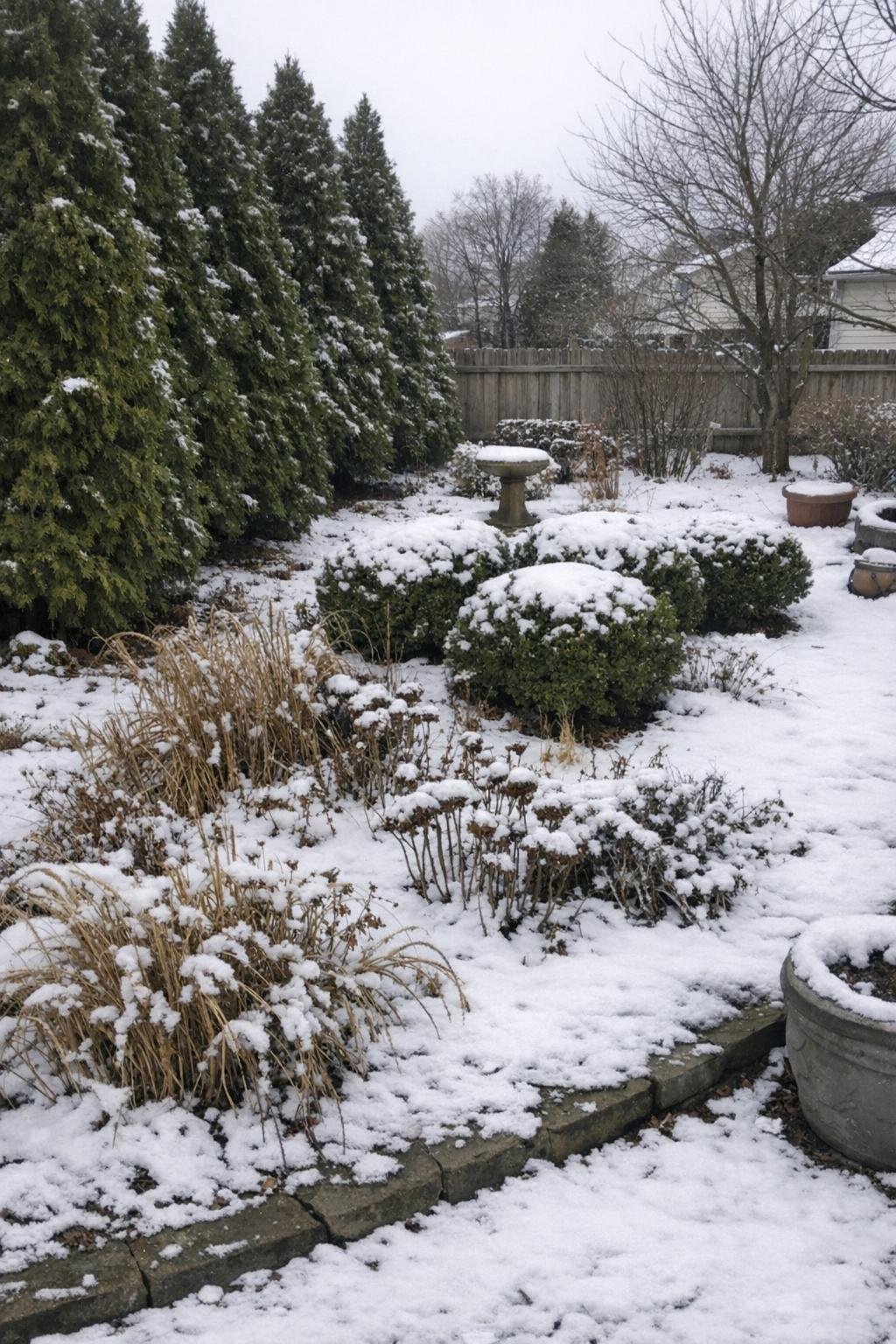
17. Let the snow lie on beds but knock it off evergreens and boxwood
Snow on the ground is a blessing for flower beds. A 2-inch layer acts like free insulation, protecting crowns and roots from wild freeze-thaw swings. Leave it in place over perennials, bulbs, and roses whenever you can. That soft white blanket has saved many a plant in a bare, bitter spell.
But heavy snow sitting on boxwood, arborvitae, yews, or broad evergreen branches can snap them apart. Gently brush snow off upward with a broom, never by banging the branches. This applies to shrubs that hold their foliage through winter, not to bare perennial beds that benefit from staying covered.
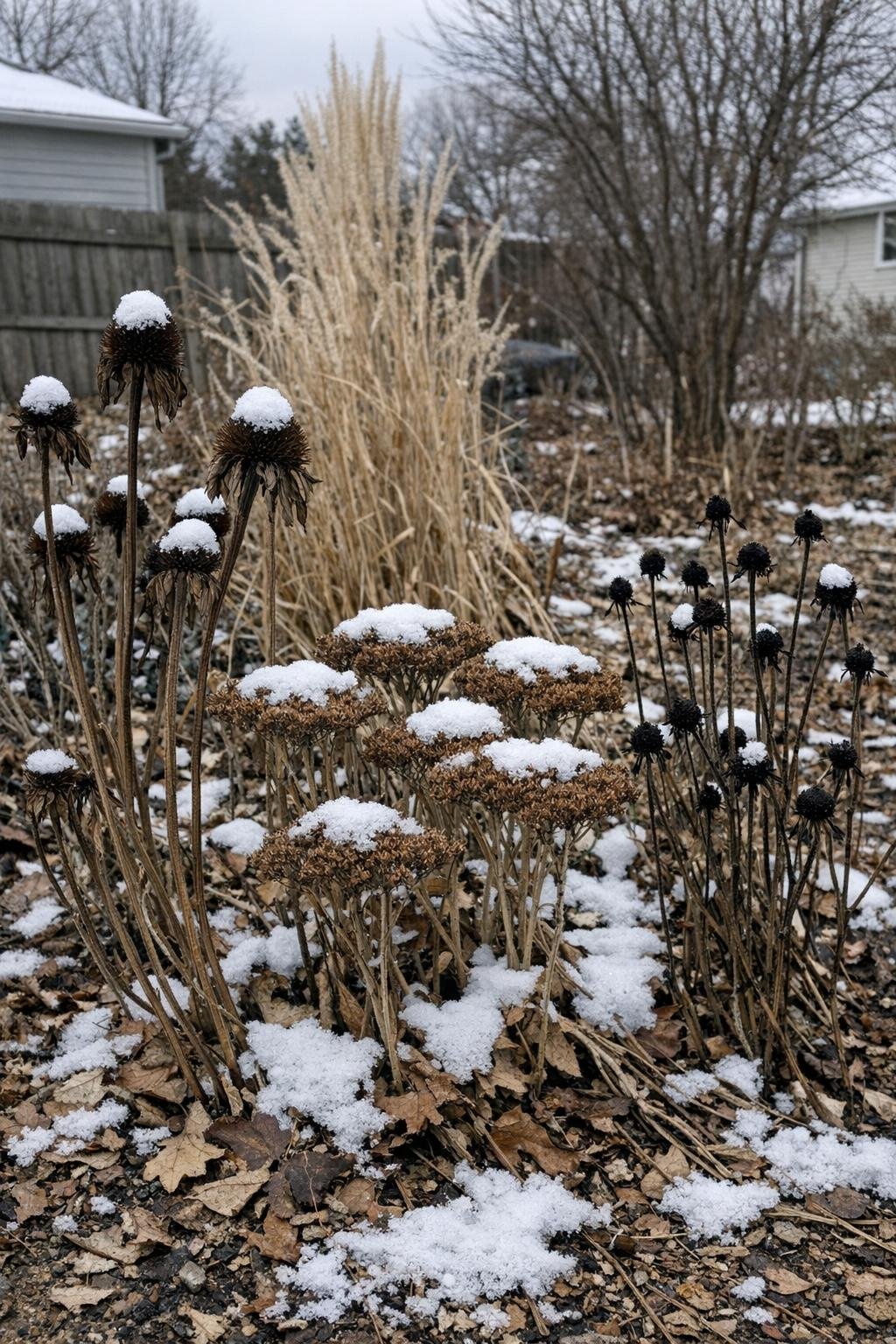
18. Leave coneflower, sedum and black-eyed Susan seed heads standing
This is for sturdy perennials with seed heads that stand through winter: coneflower, upright sedum, and black-eyed Susan especially. Leave the stalks in place until March. They catch and hold snow over the crown, which helps insulate the plant, and they feed goldfinches and other small birds when the garden would otherwise be bare.
Do not confuse this with leaving diseased foliage on plants like peonies or phlox, which should be cleaned up. Seed heads on healthy, upright perennials are useful. Around my place, those little birds work the coneflowers all through January, and it makes the whole sleeping garden feel alive.
19. Winter-sow perennials in milk jugs in January
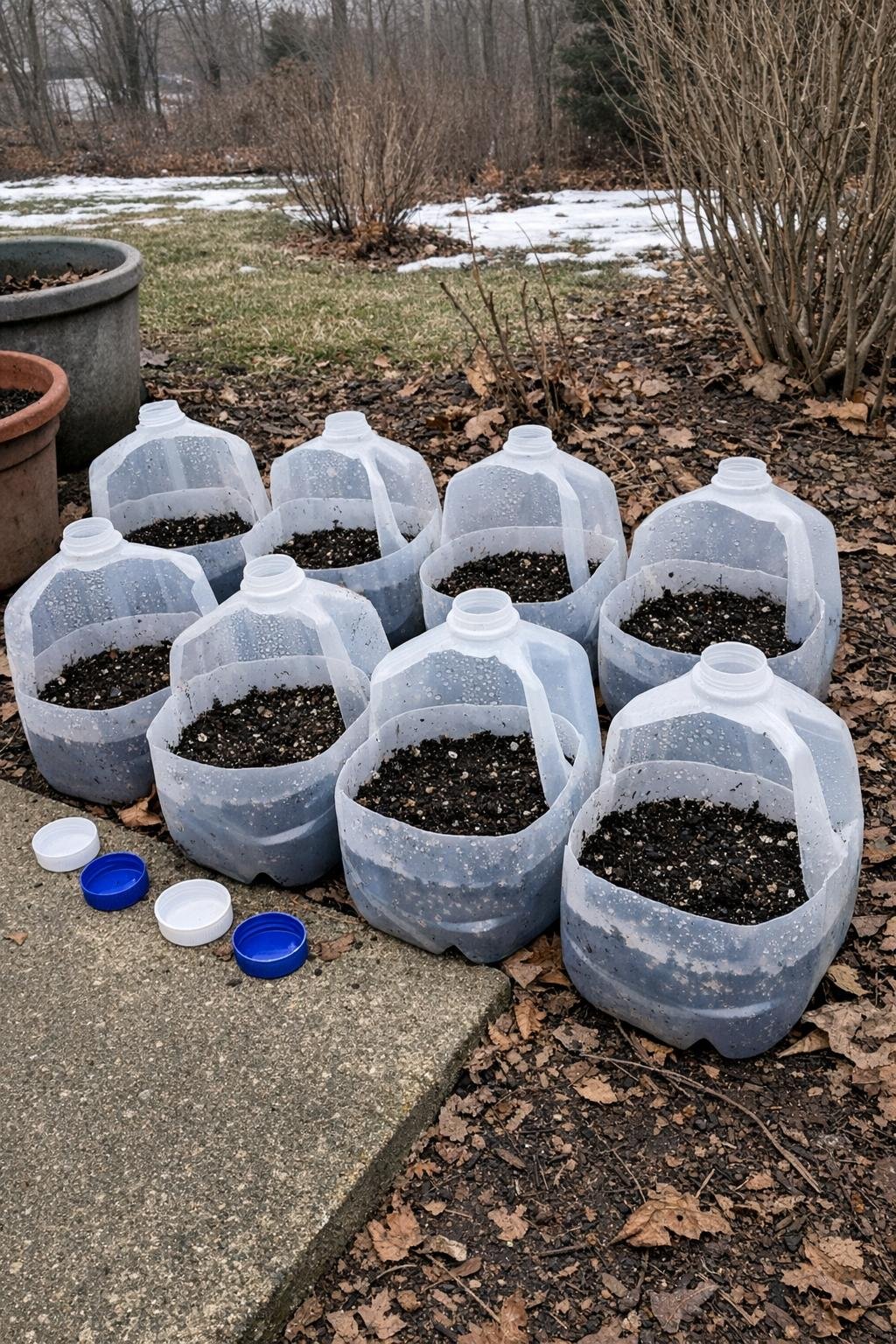
January is the perfect time to winter-sow hardy perennials that need freeze-thaw cycles to germinate well. Coneflower, lupine, delphinium, and milkweed are all good candidates. Cut clean gallon milk jugs almost in half, poke drainage holes in the bottom, fill with 3 to 4 inches of damp seed-starting mix, sow the seed on top at the proper depth, and tape the jug closed again.
Set the jugs outside with the lids off so rain, snow, and cold can do the stratifying for you. This method is for hardy perennials, not warm-season zinnias or marigolds that want heat. By spring, you often get sturdy little seedlings tougher than anything coddled on a windowsill.
20. Prune the summer bloomers hard in late February
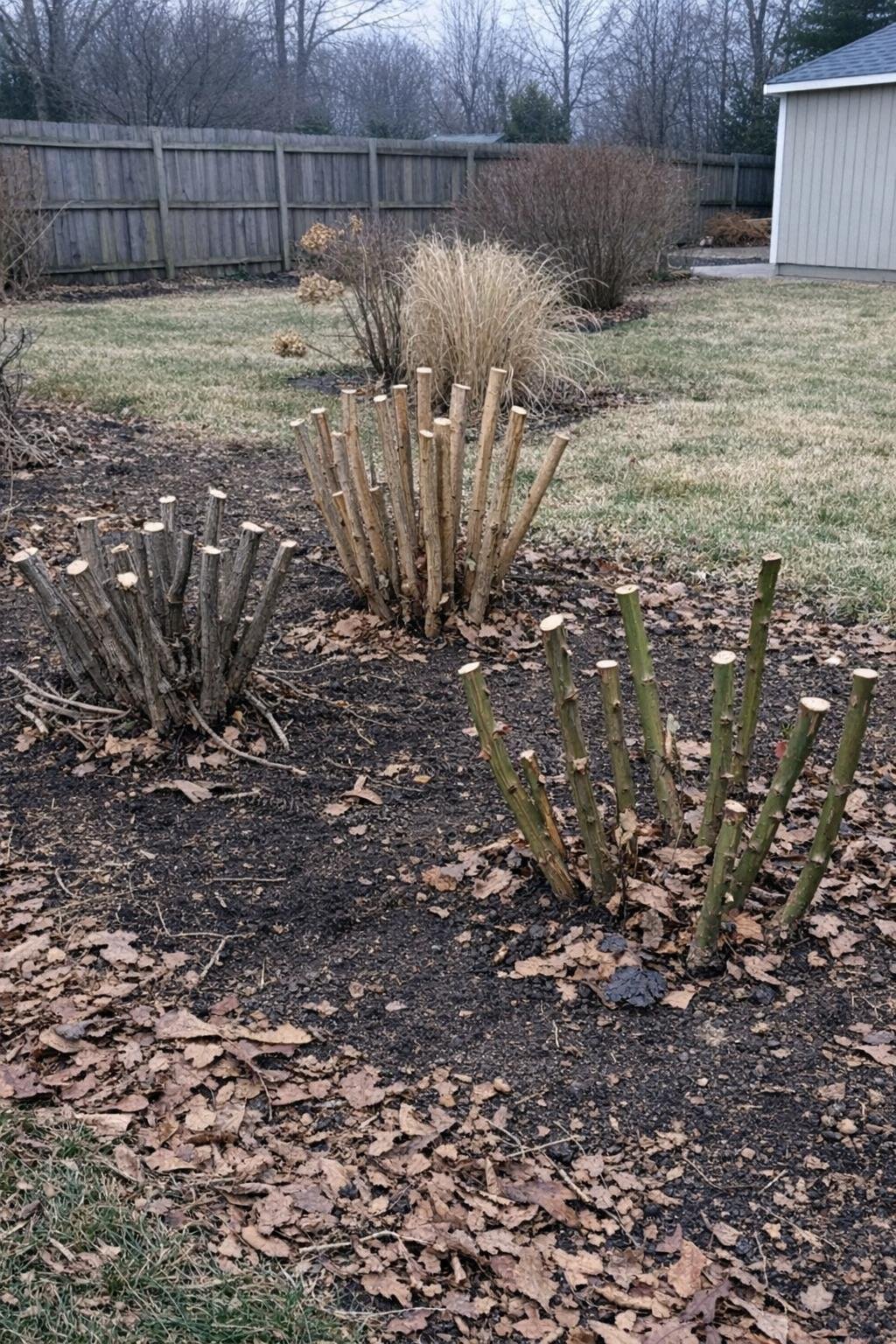
Late February, before buds swell, is the time for plants that bloom on new wood. Cut butterfly bush down to about 12 inches. Reduce panicle hydrangeas and smooth hydrangeas by roughly one-third to shape them and support larger flower heads. Prune repeat-blooming roses down to 5 outward-facing buds per cane. On crape myrtle, remove only crossing, rubbing, or damaged branches instead of topping the whole plant.
Do not use this timing on lilacs, forsythia, azaleas, oakleaf hydrangeas, or bigleaf hydrangeas, because those carry old-wood flower buds already. This late-winter pruning is for summer bloomers only, and it is one of the surest ways to trade weak, messy growth for bigger blooms and better structure when warm weather returns.
Do these jobs in season, and you will be miles ahead of the gardener who waits for spring and hopes for the best. Winter may look quiet, but in my experience it is when the flower garden makes its promises for summer.