
If you have a tired old garden hose and a couple of basic shed leftovers, you can turn them into one of the most useful little upgrades for a fall garden bed: soft protective edging anchors that hold row cover, frost cloth, or even light netting in place without chewing up the fabric. I love projects like this because they solve a real seasonal problem with things most of us already have on hand, and they come together in less time than it takes to make a pot of soup.
This version is especially good for gardeners who want something quick, inexpensive, and gentle on raised-bed edges, hoops, and cover materials. By slicing the hose open and pairing it with two simple anchor pieces, you get cushioned clips that grip firmly, add a bit of weight, and make the whole bed look tidier and more intentional through windy fall weather.
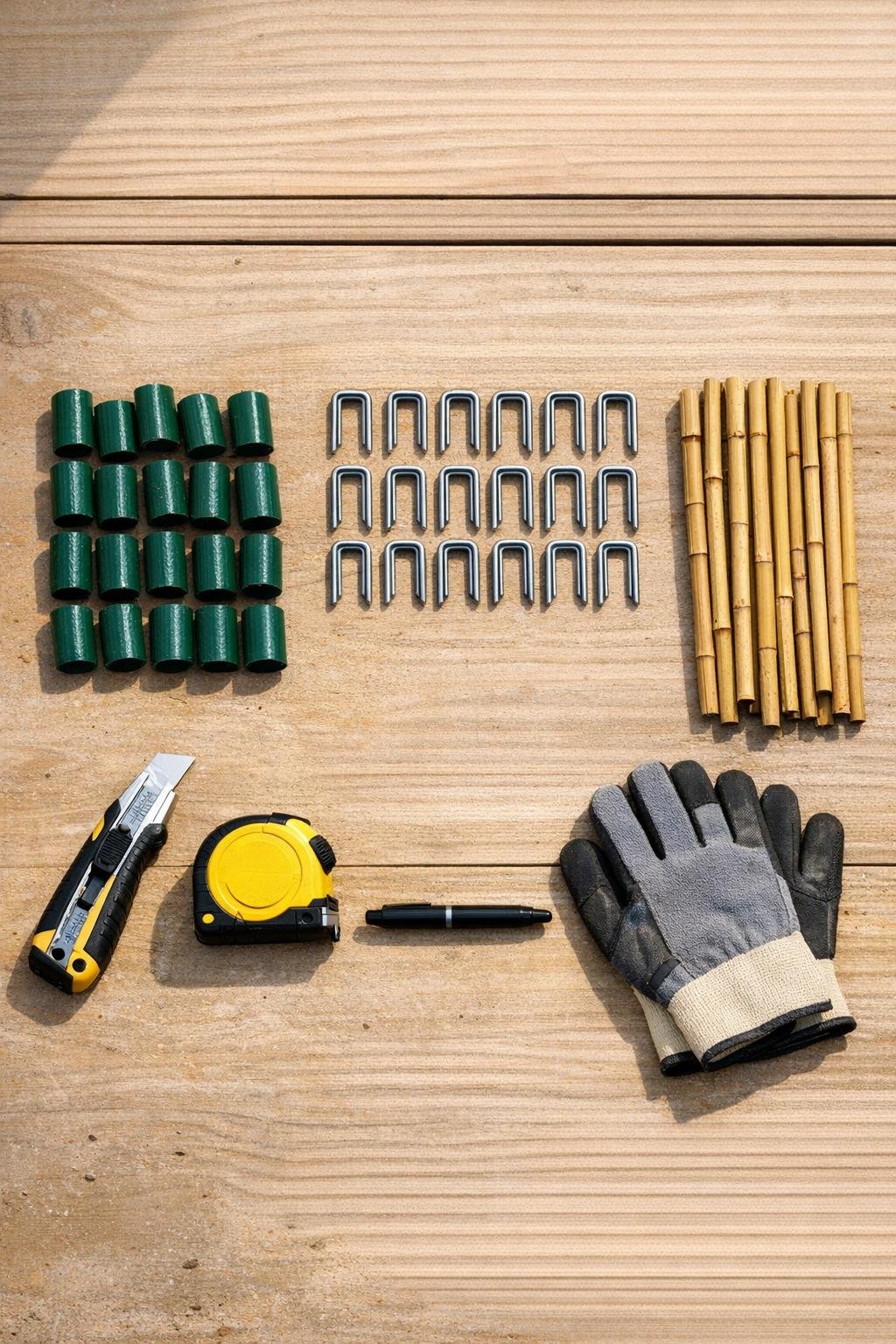
Materials
Instructions
1. Cut your old garden hose into 8 equal sections, each 6 inches long, and rinse out any dirt so the pieces are easier to handle and mark accurately.
2. Draw a straight guideline down the length of each hose section with a marker, then carefully slice along that line with a utility knife to open each piece into a cushioned clip.
3. Push two bamboo stakes into the soil at each long side of a 4 x 8 foot bed, placing them roughly 12 inches in from the corners so they can support the cover and give your anchors something extra to brace against.
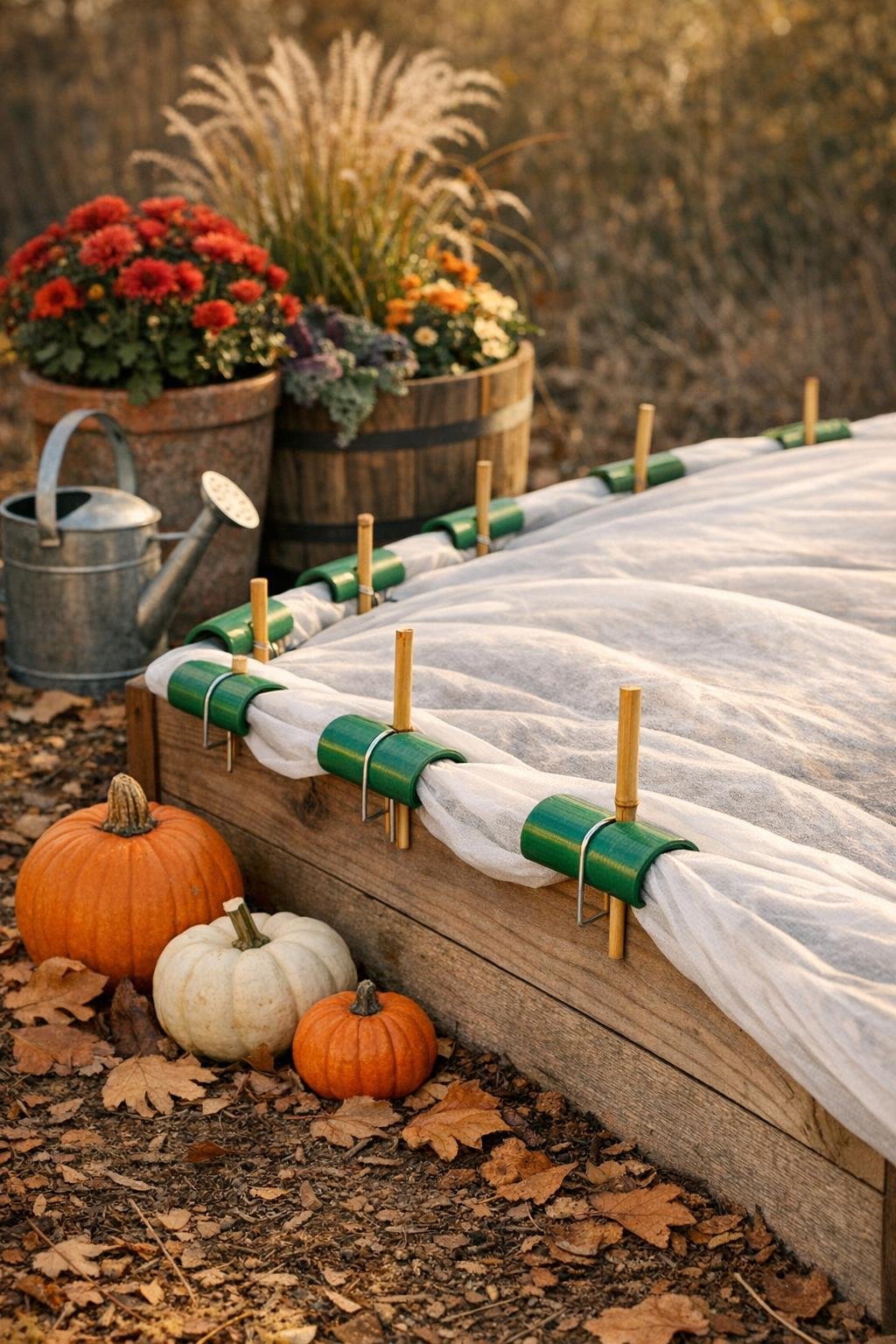
4. Drape your frost cloth, row cover, or netting over the bed, leaving 8 to 10 inches of extra material along the edges so it can be secured without pulling tight.
5. Slip one split hose piece over the edge of the fabric wherever you want an anchor point, sandwiching the cover inside the hose so the rubber cushions and grips it instead of pinching or tearing it.
6. Slide a galvanized landscape staple through the opened hose channel or snug it directly over the hose-covered fabric edge, then press the staple down into the soil until the hose sits firmly against the bed edge.
7. Repeat with the remaining hose clips and staples, spacing them about every 18 to 24 inches around the most wind-exposed sides, using more along corners where covers like to billow first.
8. Use zip ties to loosely lash the fabric to the bamboo stakes at two or four points if you want extra lift or wind resistance, keeping the ties relaxed enough that you can still lift the cover for watering or harvest.
9. Check that each hose anchor is seated flat, tug the cover gently to even out the drape, and trim any zip-tie tails so the finished setup looks clean and is easy to work around.
Variations & Tips
For extra-windy spots: Use 10 to 12 hose clips instead of 8 and tighten the spacing to about 12 to 18 inches along the windward side. More anchors always beat heavier pressure on just a few points.
If your hose is stiff: Set the cut pieces in the sun for 15 to 20 minutes before slicing and clipping. Warm hose opens much more easily and grips fabric better once it cools back down.
Best cover pairing: I like these most with medium-weight frost cloth because the hose grips it beautifully without cutting fibers. They also work nicely with bird netting if you fold the edge over once before clipping.
For low hoops: If you already use PVC or wire hoops, place these hose anchors directly where the cover meets the soil line. The soft rubber edge helps keep the cover from wearing through at the exact points you open and close most often.
Keep it tidy: Try to use hose sections cut to the same length so the bed edge looks uniform. That little bit of consistency makes a scrap-material project look surprisingly polished.
Storage tip: At season's end, leave each staple nested inside its hose clip and drop the sets into a small bucket or trug. Next fall, you can cover a bed in minutes instead of hunting down loose pieces all over the shed.