
I keep a box of baking soda in my pantry for cookies and muffins, but I’ve learned it earns its keep in my garden shed too. It’s cheap, easy to store, and surprisingly handy for all those little backyard problems that pop up through the season, from mildew on squash leaves to musty patio cushions and messy pots.
Over the years, I’ve used it in small, practical ways that save money and help me avoid harsher products unless I truly need them. Here are 20 specific ways I use baking soda in the garden and around the yard, with the exact mixes, how often I apply them, and a few cautions I’ve picked up along the way.
1. Fungus fighter
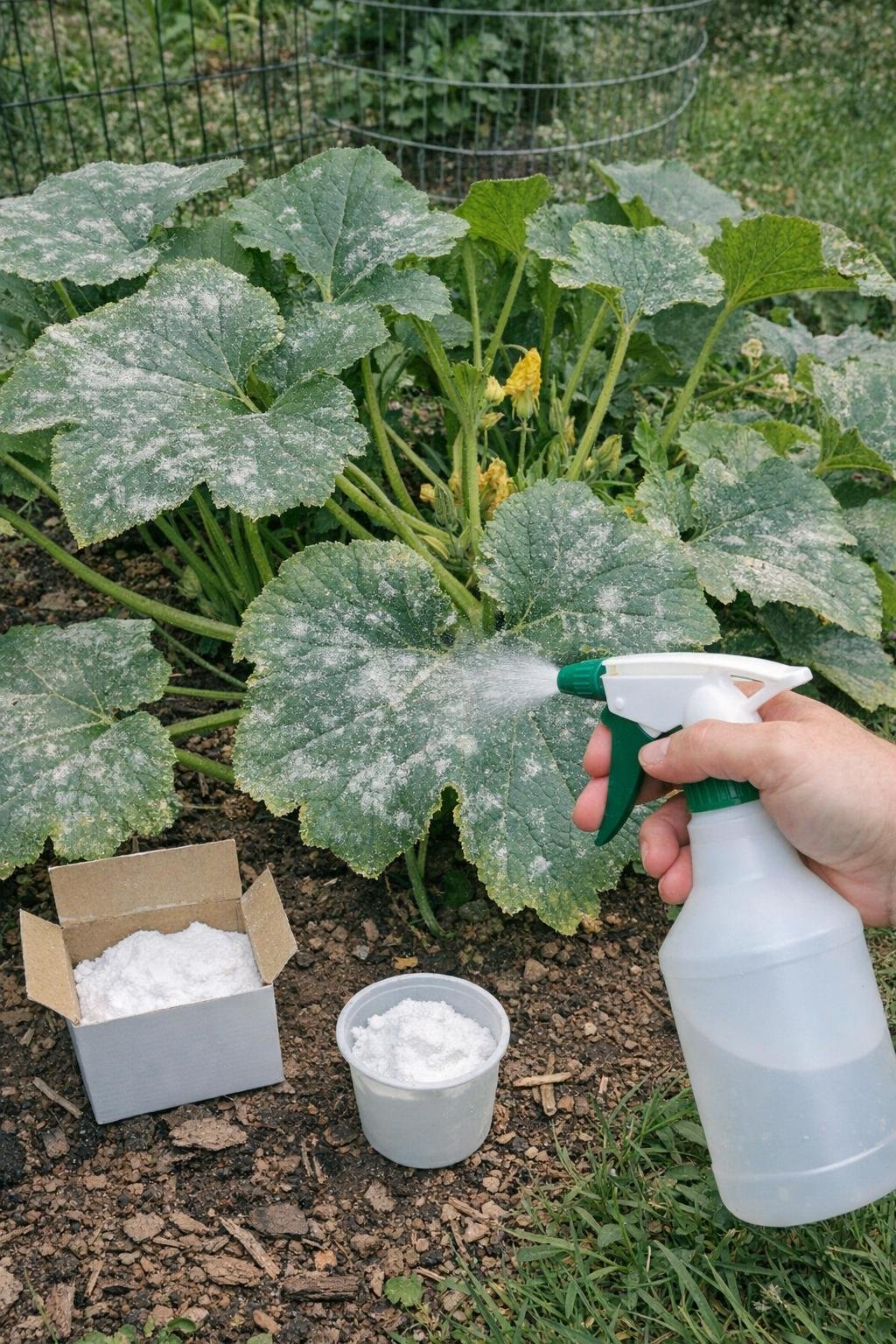
For powdery mildew on zucchini, cucumbers, bee balm, or phlox, I mix 1 tablespoon of baking soda into 1 gallon of water and spray it onto the tops and undersides of affected leaves. I apply it in the early morning every 5 to 7 days until I stop seeing that white dusty coating, and I always remove the worst leaves first so the spray can reach healthy growth.
This works best when you catch mildew early rather than after the plant is covered. My caution is simple: test one leaf or one small branch first and avoid spraying in hot afternoon sun, because wet leaves and heat can scorch tender plants.
2. Pest repellent
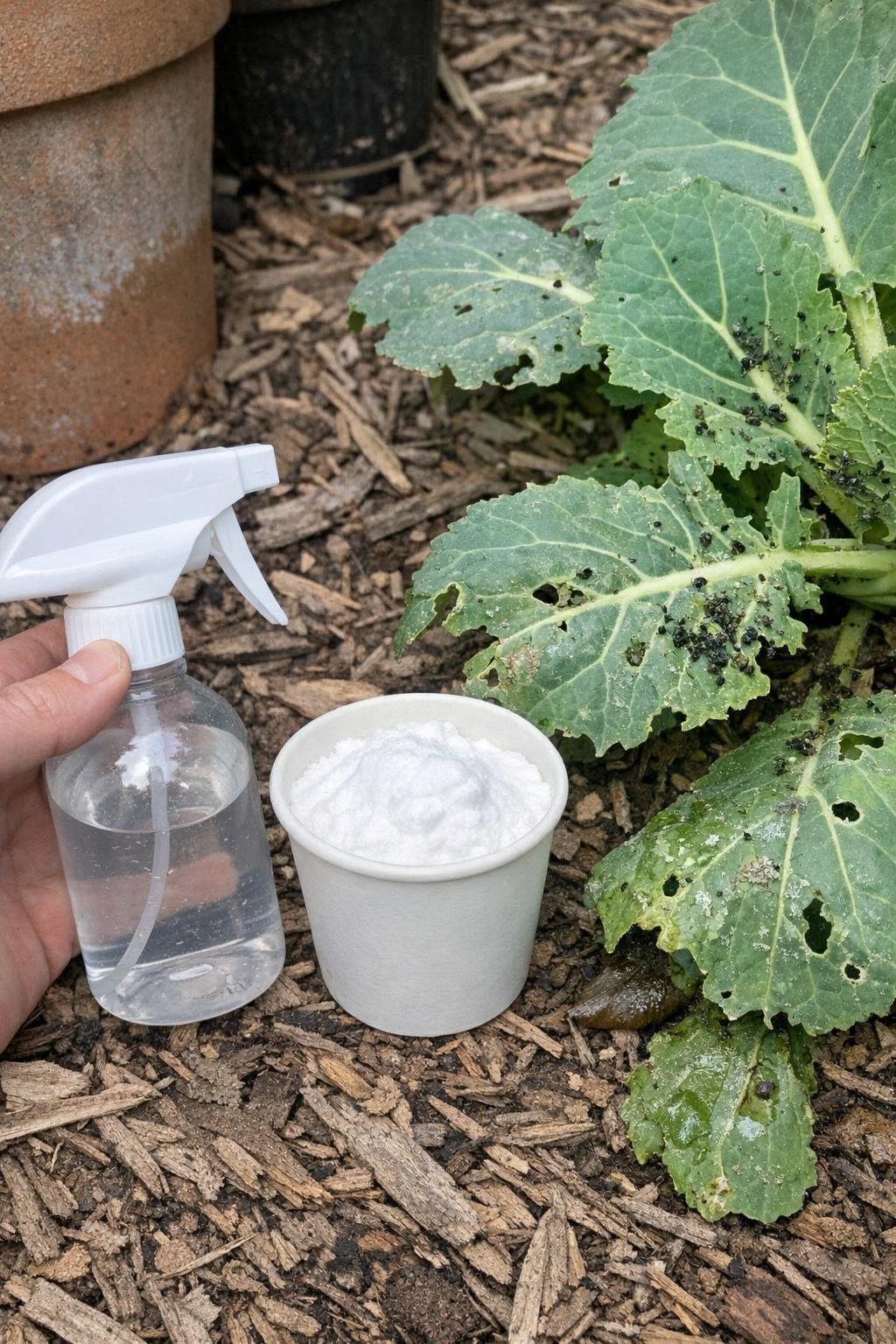
When aphids are clustering on new growth or I’m seeing ants and slugs around problem spots, I stir 1 teaspoon of baking soda and 3 to 4 drops of dish soap into 1 quart of water. I spray it lightly on stems, leaf undersides, and the soil surface around the plant every 3 days for about 2 weeks, especially after rain.
I don’t soak the plant; a light coating is enough. This mix is best for discouraging soft-bodied pests, but I still keep it off open flowers to protect pollinators, and I spot-test delicate plants first because some foliage is more sensitive than others.
3. Compost enhancer
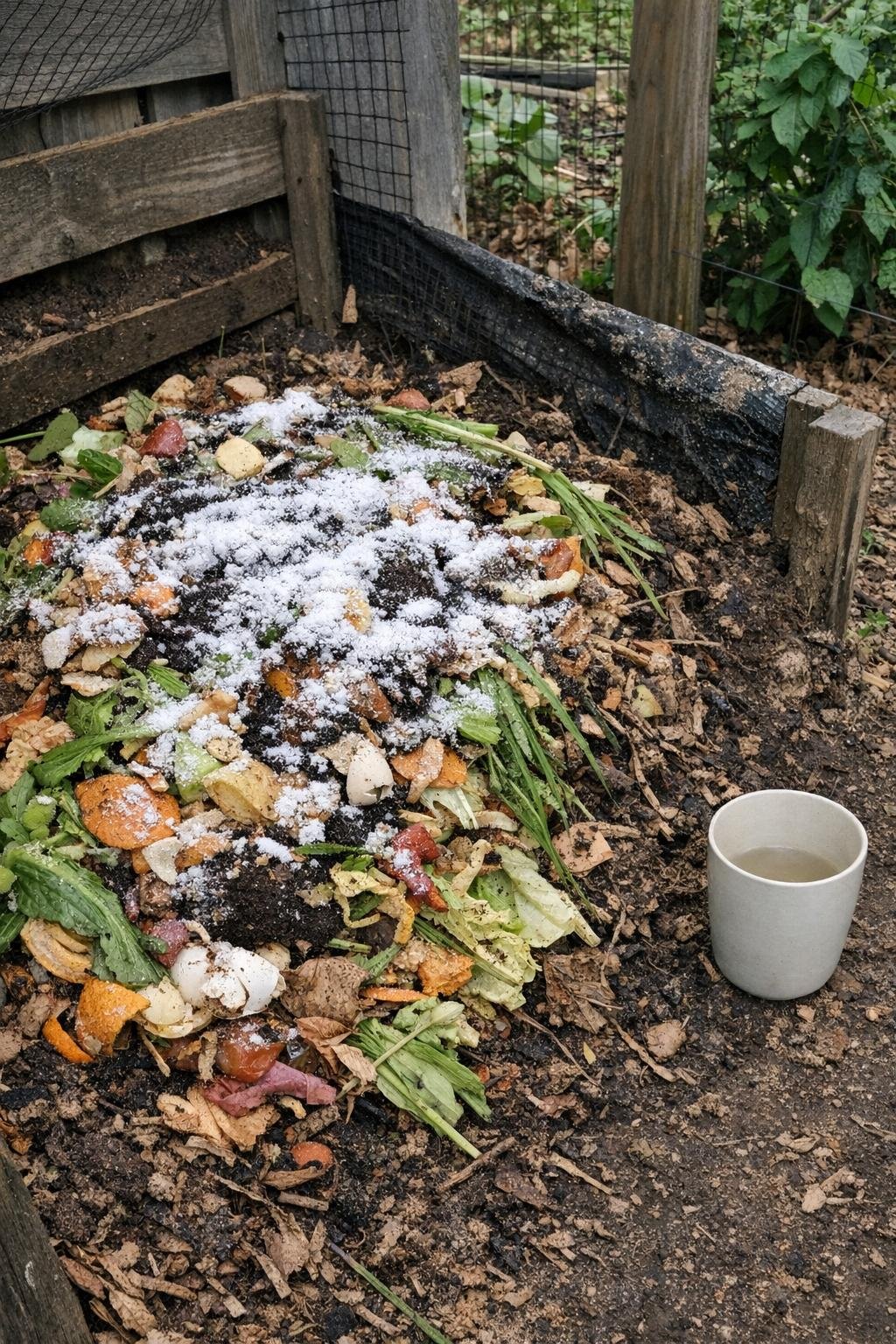
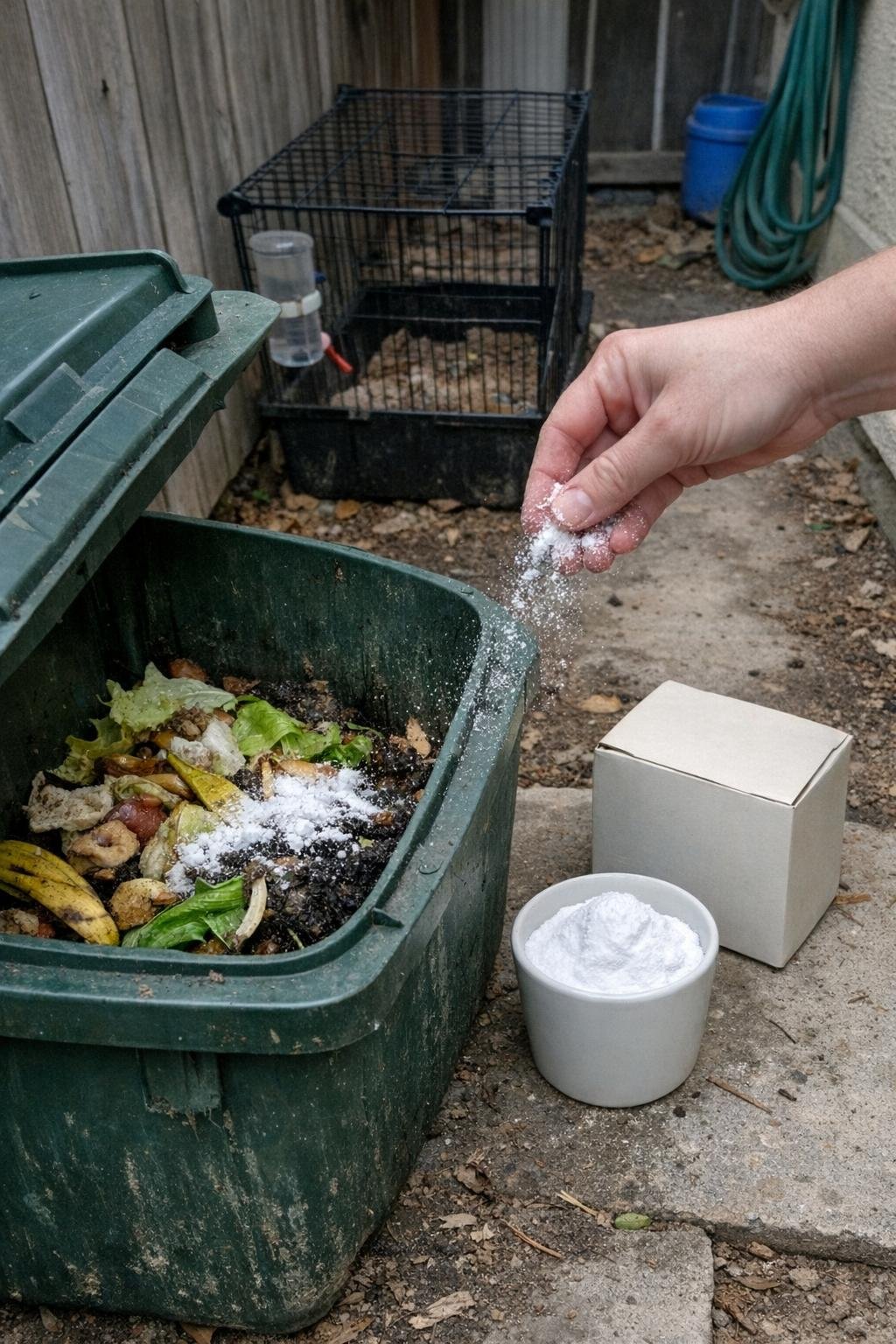
If my compost pile smells sour or overly wet, I scatter a very light sprinkle of baking soda over the top before turning it. For a small bin, I use about 1 tablespoon; for a 3-foot pile, no more than 1/4 cup. I do this only when needed, usually no more than once every few weeks.
It can help cut odors and make the pile a little more pleasant to work with, especially in summer. The caution is not to overdo it, because compost needs microbial activity, and dumping in too much baking soda can upset the balance instead of helping it.
4. Weed killer
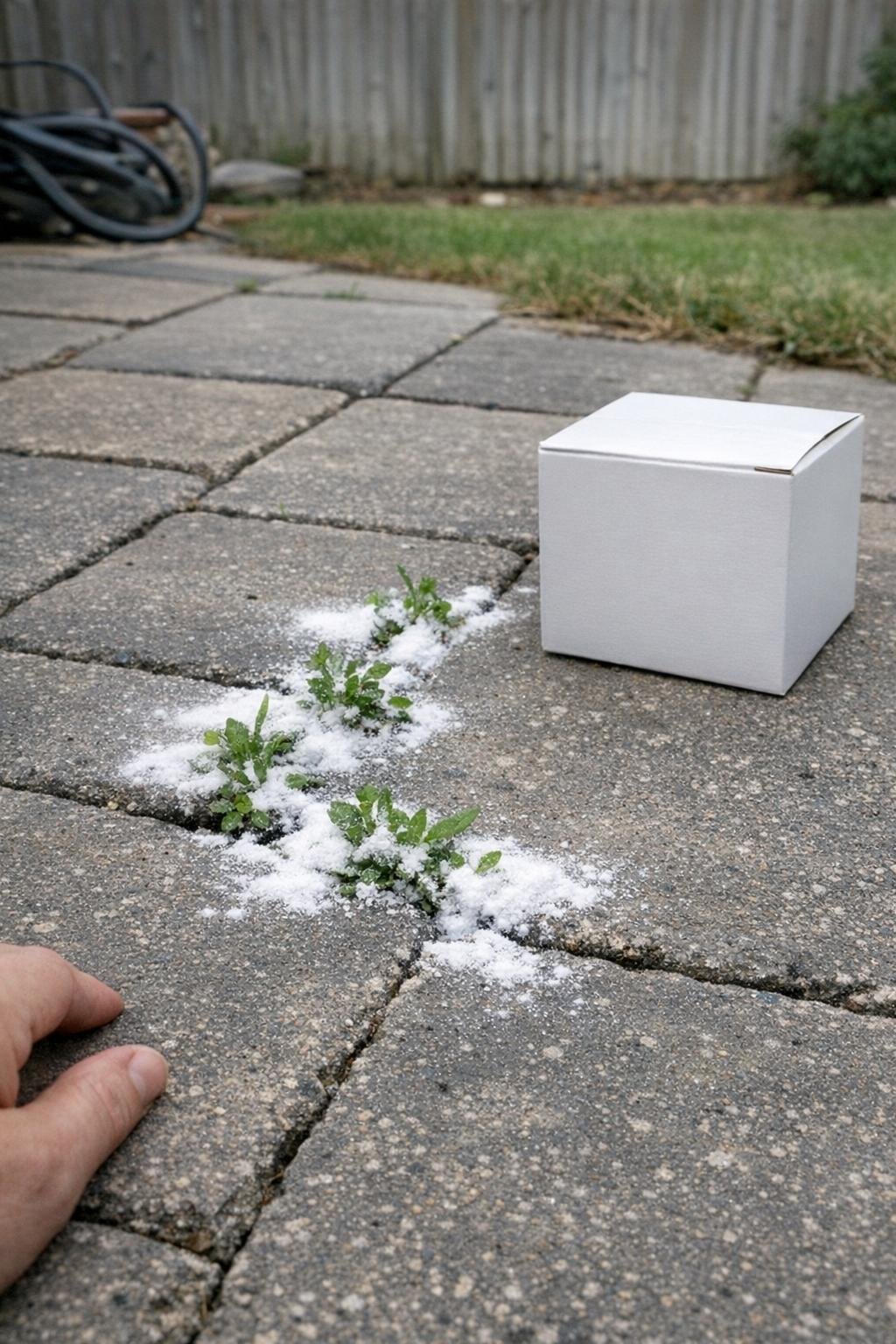
For weeds growing in sidewalk cracks, between pavers, or along a gravel path, I pour straight baking soda right onto the crown of the weed until it’s well coated. A tablespoon or two per small weed is usually enough. Then I leave it dry for 3 to 5 days before checking back and brushing away the dead growth.
This is one of my favorite tiny-jobs solutions because it’s so simple, but it is not selective. Keep it off your lawn and flower beds, and don’t use it where runoff can reach plants you want to keep.
5. Soil amendment
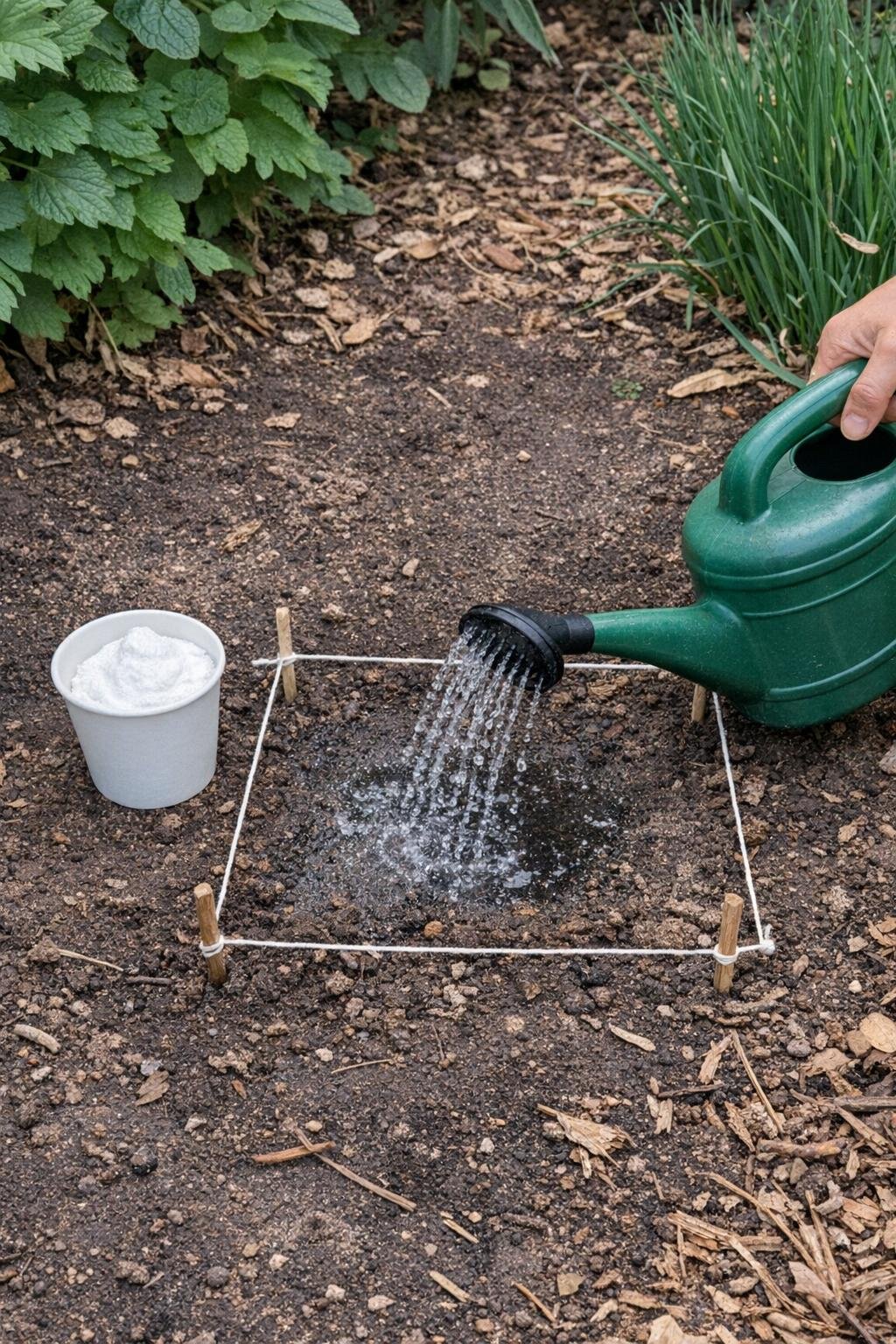
If I know I’m dealing with acidic soil, I sometimes use a little baking soda as a very mild temporary pH raiser for a small patch. I mix 1 tablespoon into 1 gallon of water and drench about 1 square foot of soil, then wait 2 weeks before deciding whether that area needs another light treatment.
I use this sparingly and only for small spots, not whole beds, because baking soda contains sodium and too much can create new problems. For long-term correction, lime is a better tool, so think of this as a quick, gentle adjustment rather than a full fix.
6. Disease prevention
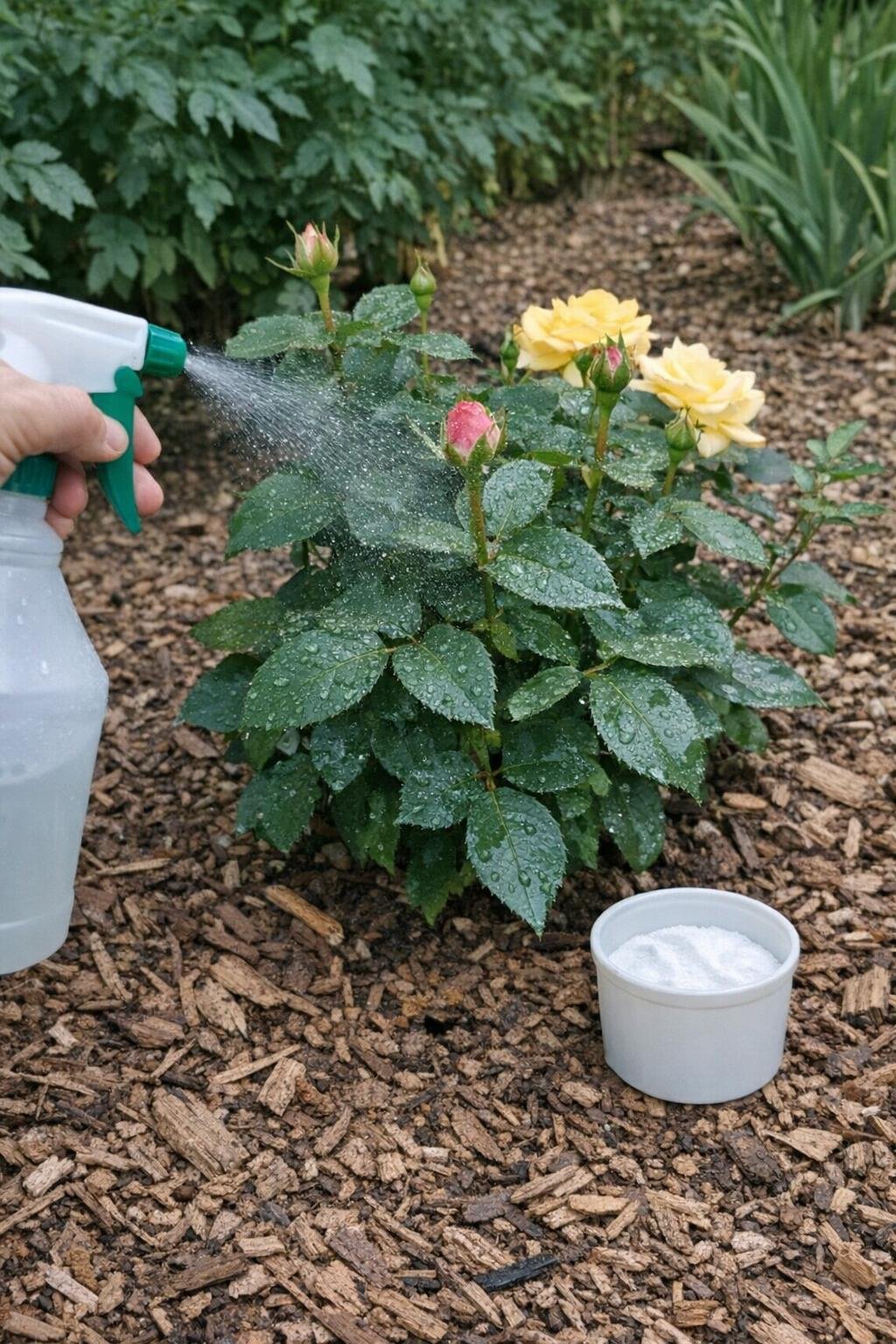
To help prevent black spot on roses and early blight on tomatoes, I mix 1 tablespoon of baking soda in 1 gallon of water and spray foliage before disease gets a foothold. I reapply every 7 days during humid weather and always after a heavy rain. On roses, I make sure to coat both sides of the leaves; on tomatoes, I focus on the lower foliage first.
Prevention works better than rescue here, so I start when the weather turns warm and damp instead of waiting for damage. I also avoid spraying flowers and stressed plants, and I prune for airflow because no spray can make up for crowded, wet foliage.
7. Sweeten tomatoes
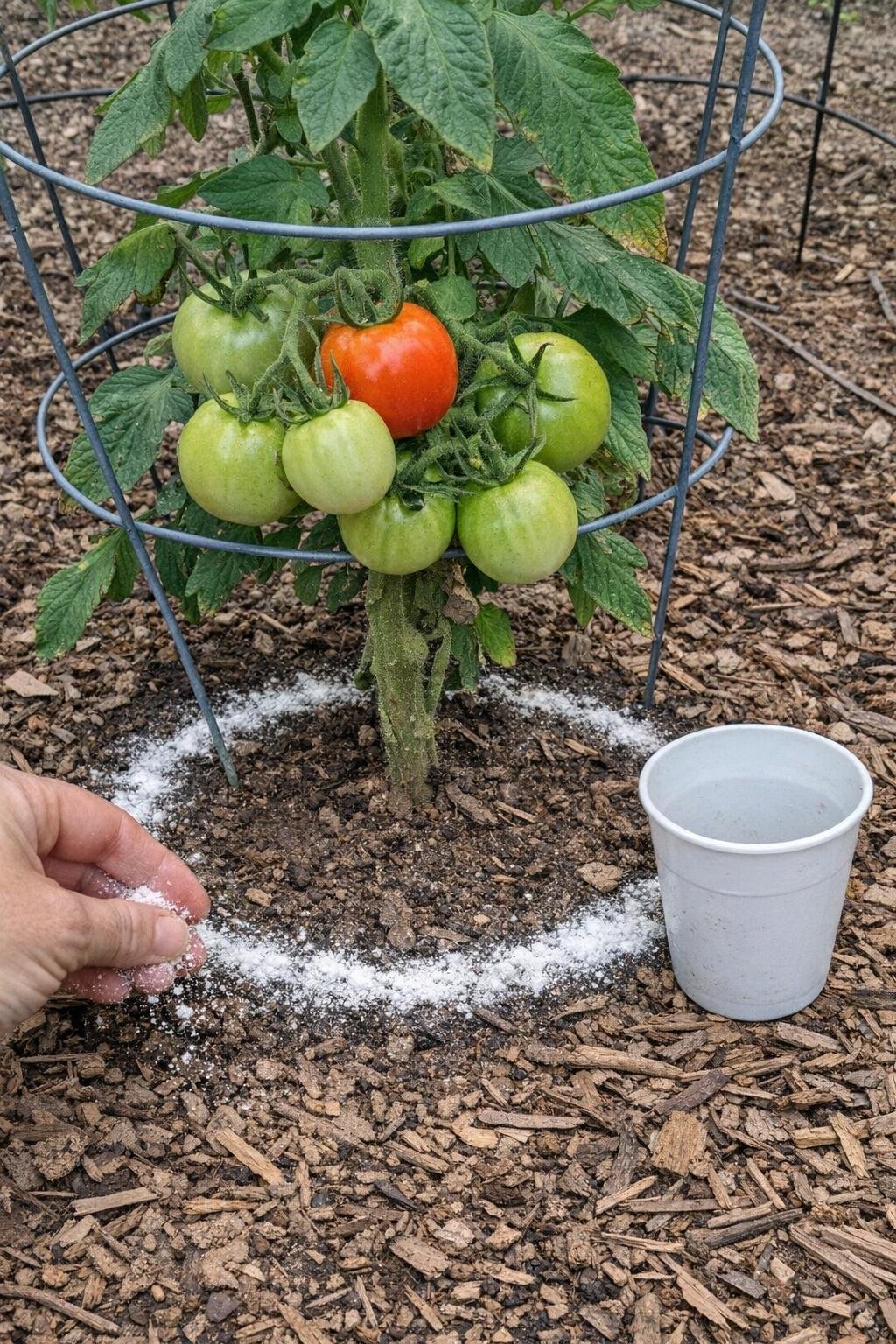
A light sprinkle of baking soda around tomato plants can help lower soil acidity a bit, which some gardeners say encourages a sweeter-tasting fruit. I use about 1 to 2 teaspoons per mature plant, scattered in a thin ring 6 inches away from the stem, then water it in lightly. I only do this once when the first fruits are marble-sized and, if needed, once more a month later.
The key here is light, not heavy. Too much can throw off your soil balance, so I never pile it against the stem and I skip this step entirely if my soil already runs neutral or alkaline.
8. Cleaner tools
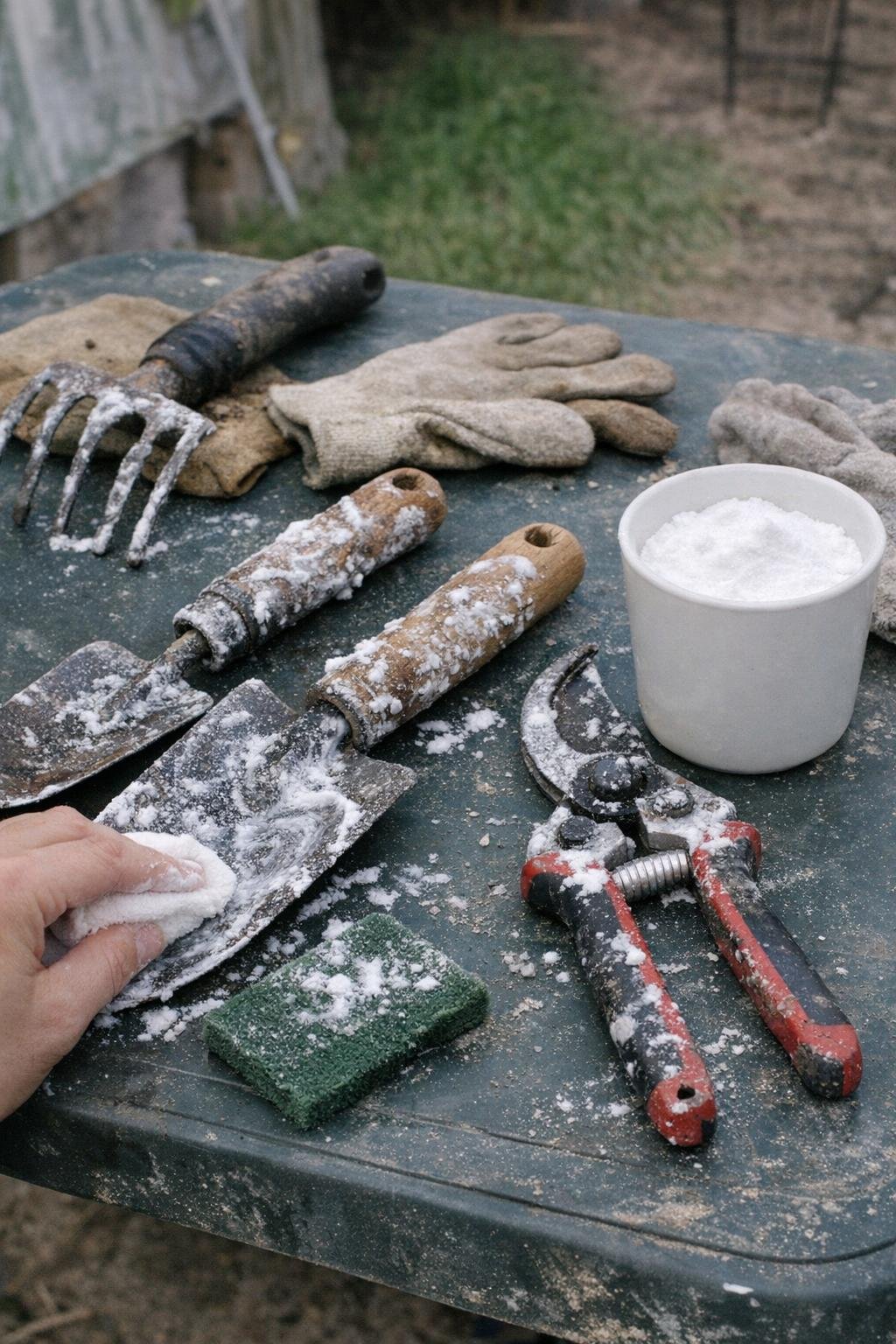
For trowels, pruners, and hand forks covered in dirt or light rust, I make a paste with 3 tablespoons of baking soda and 1 tablespoon of water. I scrub it on with a stiff brush or old rag, let it sit for 10 minutes, then rinse and dry the tool well. If rust is stubborn, I repeat once more and finish with a drop of oil on the metal.
I do this at the end of a muddy weekend or before putting tools away for winter. Just remember to dry everything thoroughly afterward so you don’t trade old grime for fresh rust.
9. Deodorizer
Baking soda is wonderful for taking the edge off garden odors. I sprinkle 2 to 3 tablespoons in the bottom of a compost bucket or a thin layer over the surface of a pet area, then refresh it every couple of days or after cleaning. It helps absorb smells without adding a strong fragrance of its own.
I use it as a helper, not a substitute for washing or changing bedding, litter, or waste. Keep pet areas dry when you can, and avoid leaving heavy piles of baking soda where curious pets might lick it up.
10. Seed germination
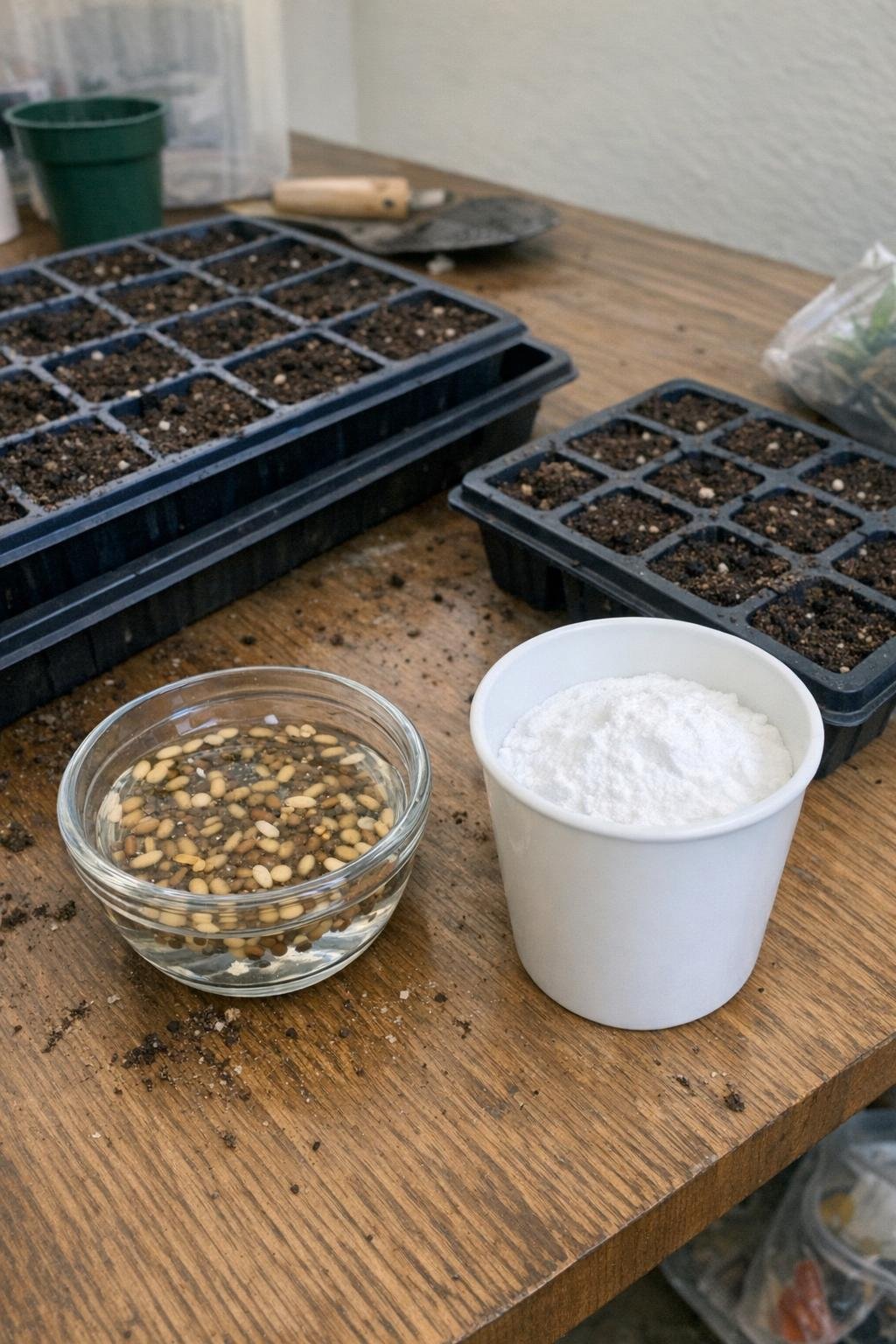
For hard-coated seeds such as nasturtiums, morning glories, or beets, I dissolve 1 teaspoon of baking soda in 1 quart of water and soak the seeds overnight for 8 to 12 hours. In the morning, I drain and plant them right away at the usual depth in moist seed-starting mix.
This can help soften the seed coat and speed things along a bit, which is especially nice when kids are watching pots and waiting for something to happen. Don’t soak tiny delicate seeds this way, and don’t leave any seeds in the solution for more than overnight.
11. Test your soil pH at home
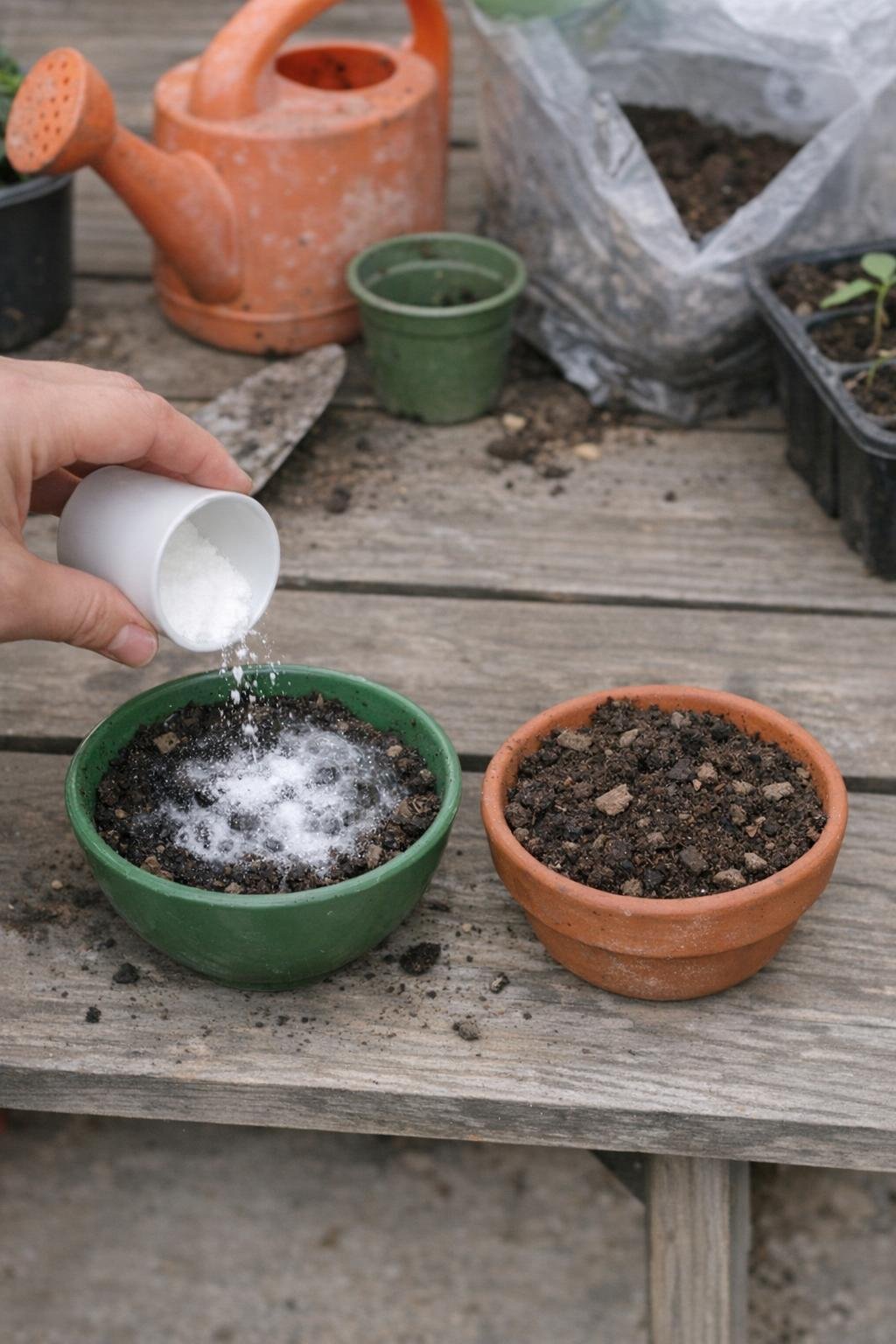
When I want a quick backyard clue about soil pH, I put 1/2 cup of soil in a small container and wet it until it feels like a wrung-out sponge. Then I sprinkle 1 tablespoon of baking soda on top. If it fizzes, that suggests the soil is acidic. To check for alkaline soil, I do a separate sample and add a splash of vinegar instead; fizz there points alkaline.
This isn’t a lab test, but it’s handy when I’m deciding whether blueberries, hydrangeas, or vegetables need a different spot. Use clean containers and separate samples so you don’t muddy the results, and follow up with a proper soil test if you’re making big changes.
12. Cabbage-worm dust
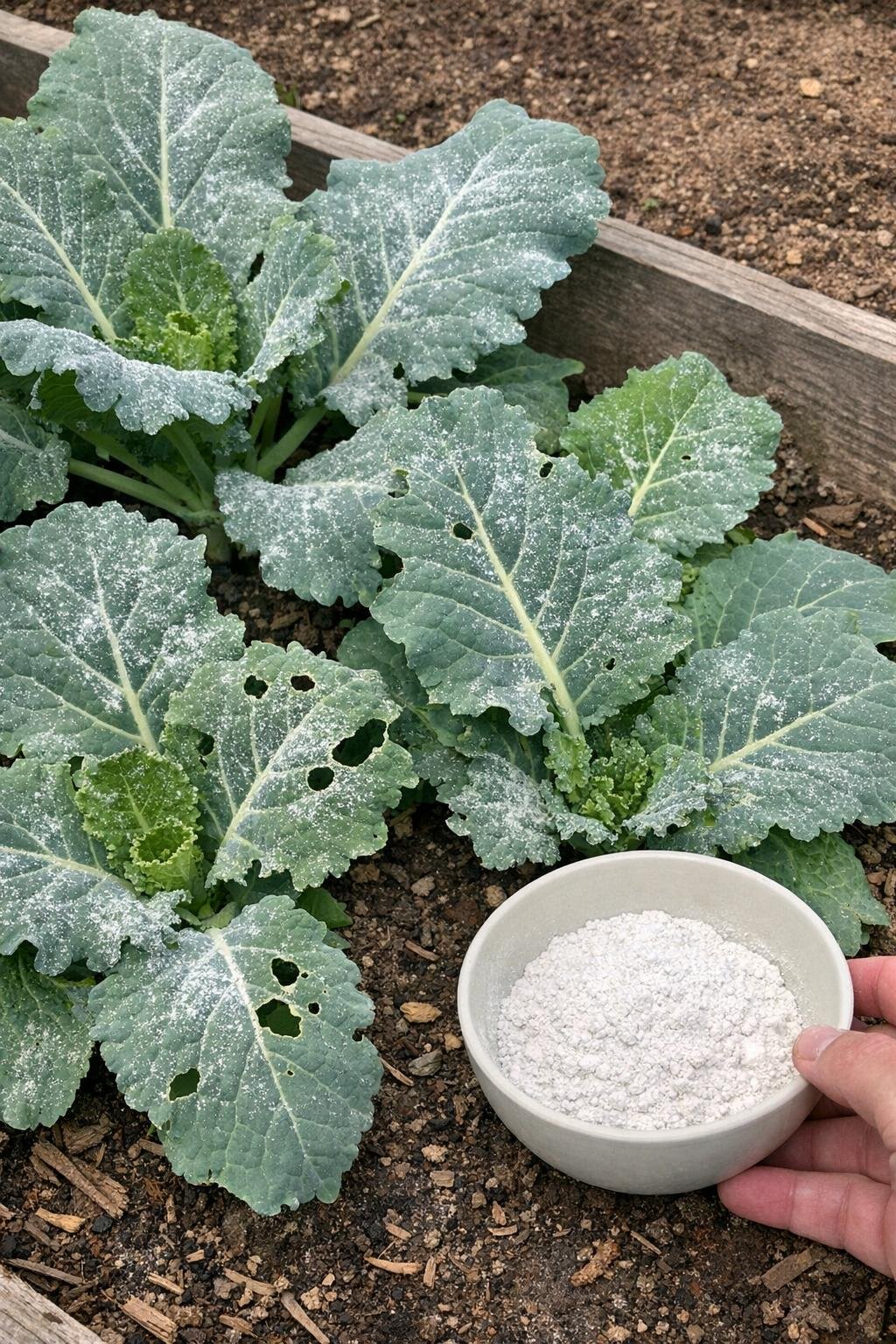
For cabbage worms on kale, broccoli, cabbage, and cauliflower, I mix equal parts flour and baking soda, usually 1/4 cup of each, and shake a thin dusting over dry leaves in the morning. I reapply after rain and every 3 to 4 days while I’m seeing fresh chewing damage.
The blend should be light enough to coat the leaves, not cake on them. I only use it on brassicas, and I rinse harvested leaves well before cooking, especially if I’ve dusted them recently.
13. Turn hydrangeas pink
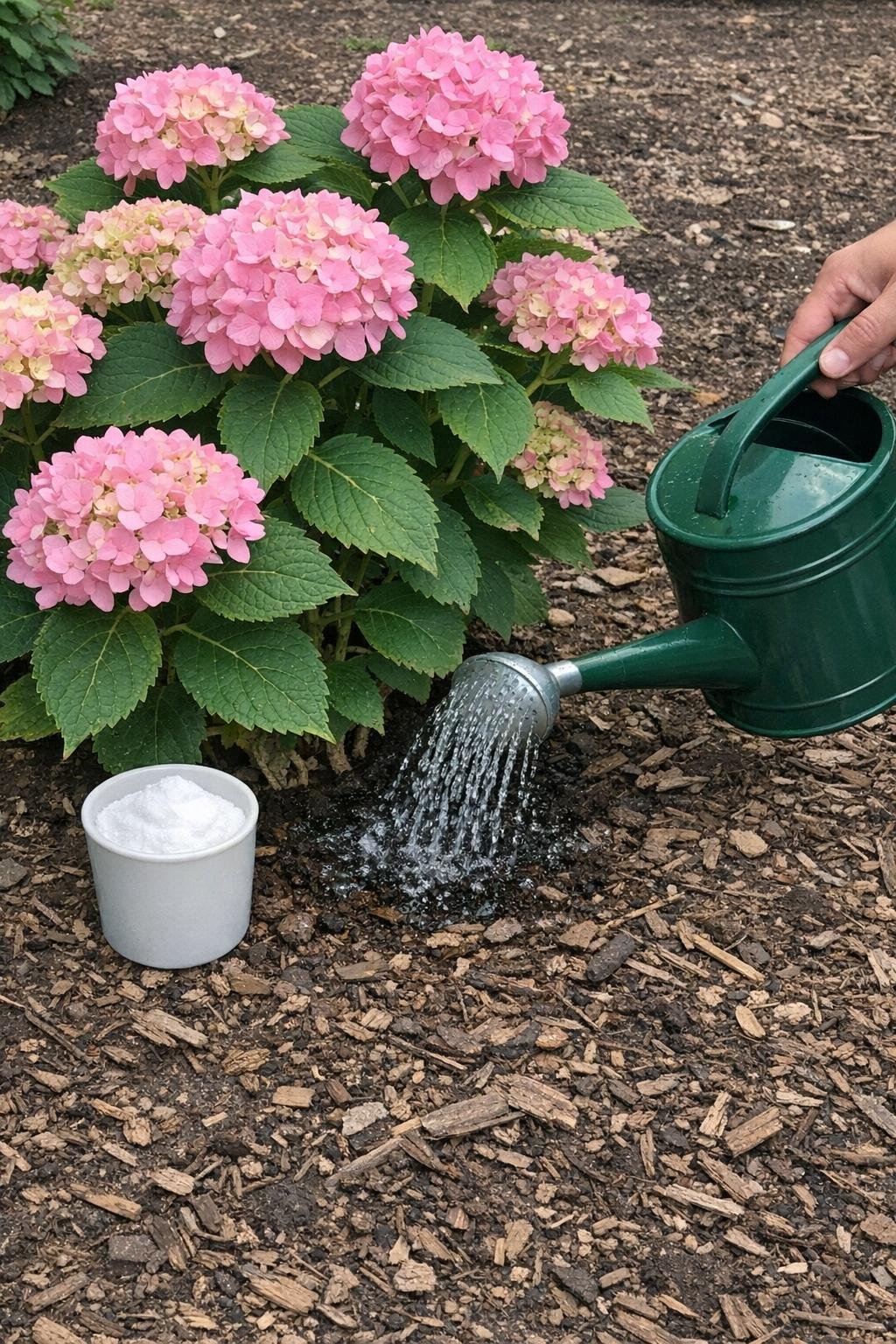
If you’re growing hydrangeas that can shift color, raising the soil pH can encourage pink blooms over time. I dissolve 1 tablespoon of baking soda in 1 gallon of water and drench the soil around the root zone every 2 to 3 weeks during the growing season, starting in spring. I apply about 1 gallon for a medium shrub, always keeping the solution a few inches away from the main stems.
This takes patience and works gradually across a season rather than overnight. It only affects certain hydrangea types, and I watch the plant closely because too much sodium is never a favor in the long run.
14. Ant-mound bait
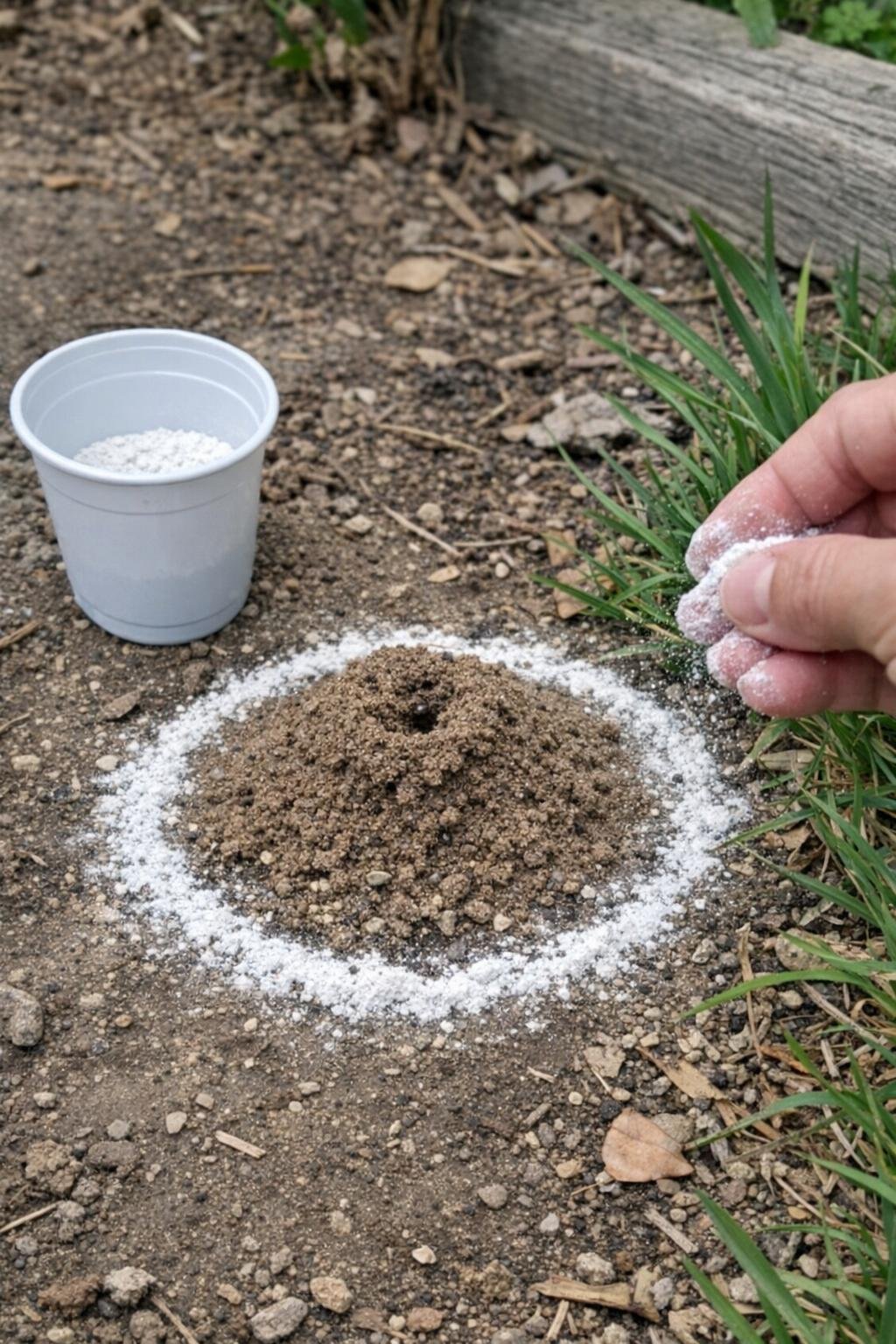
For a simple ant-mound treatment, I mix equal parts powdered sugar and baking soda, usually 2 tablespoons of each, and sprinkle the blend right around the mound entrance and along busy ant trails. I refresh it every 2 days for up to a week if rain or dew washes it away.
The sugar attracts the ants while the baking soda is the working ingredient, but placement matters. I keep this away from vegetable leaves, pet feeding areas, and places where children play, and I don’t heap it where it can spill into nearby garden roots.
15. Longer-lasting cut flowers
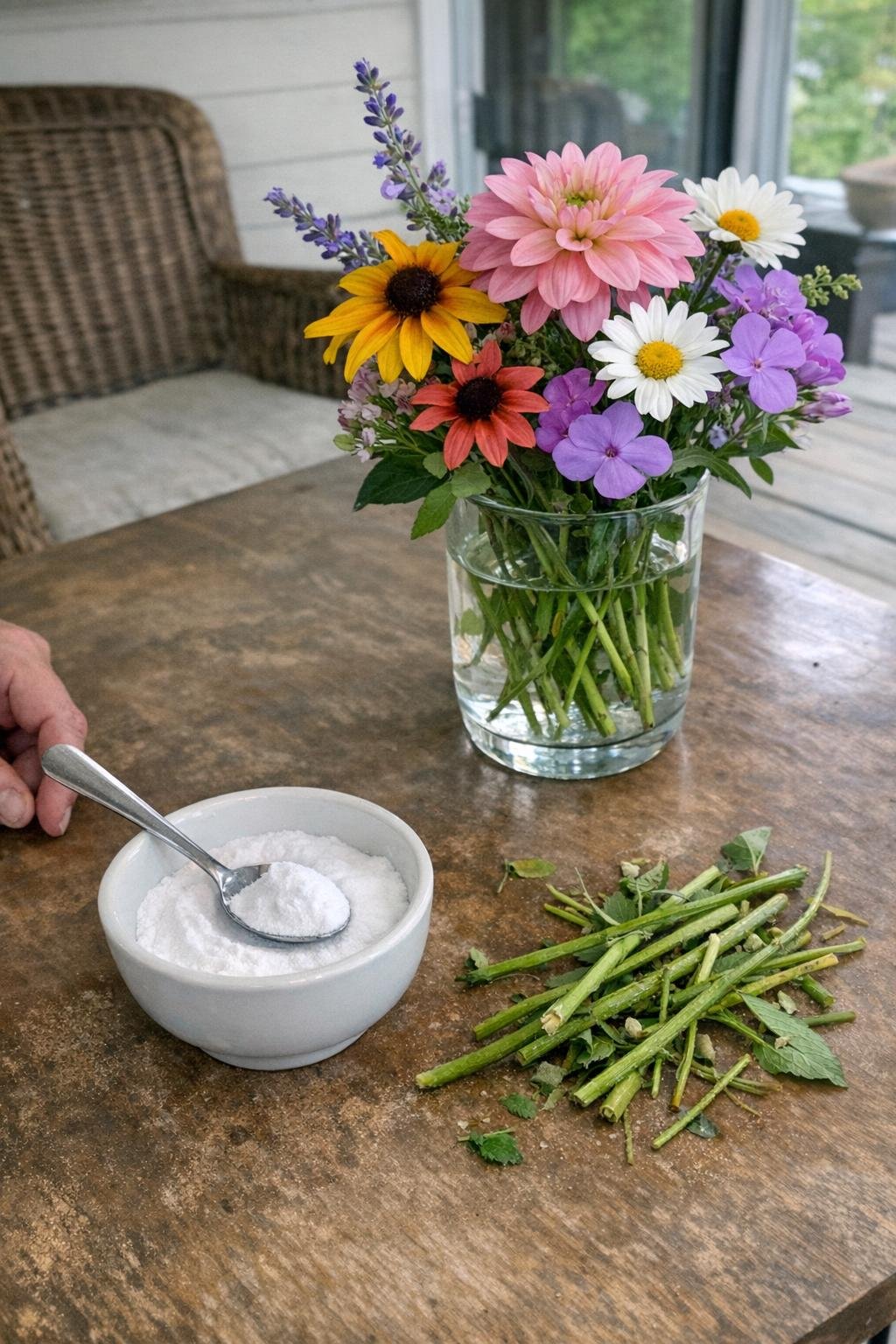
When I bring flowers in from the yard, I add 1 teaspoon of baking soda to 1 quart of fresh vase water after trimming the stems. Then I change the water every 2 days and add another small 1/2 teaspoon with each refill. I’ve found this especially helpful with zinnias, daisies, and garden mums that can turn the water cloudy fast.
It won’t rescue flowers that were cut at the wrong stage, but it can help the arrangement stay fresher a bit longer. Start with a clean vase, and remove any leaves that would sit below the waterline.
16. Wash the harvest clean
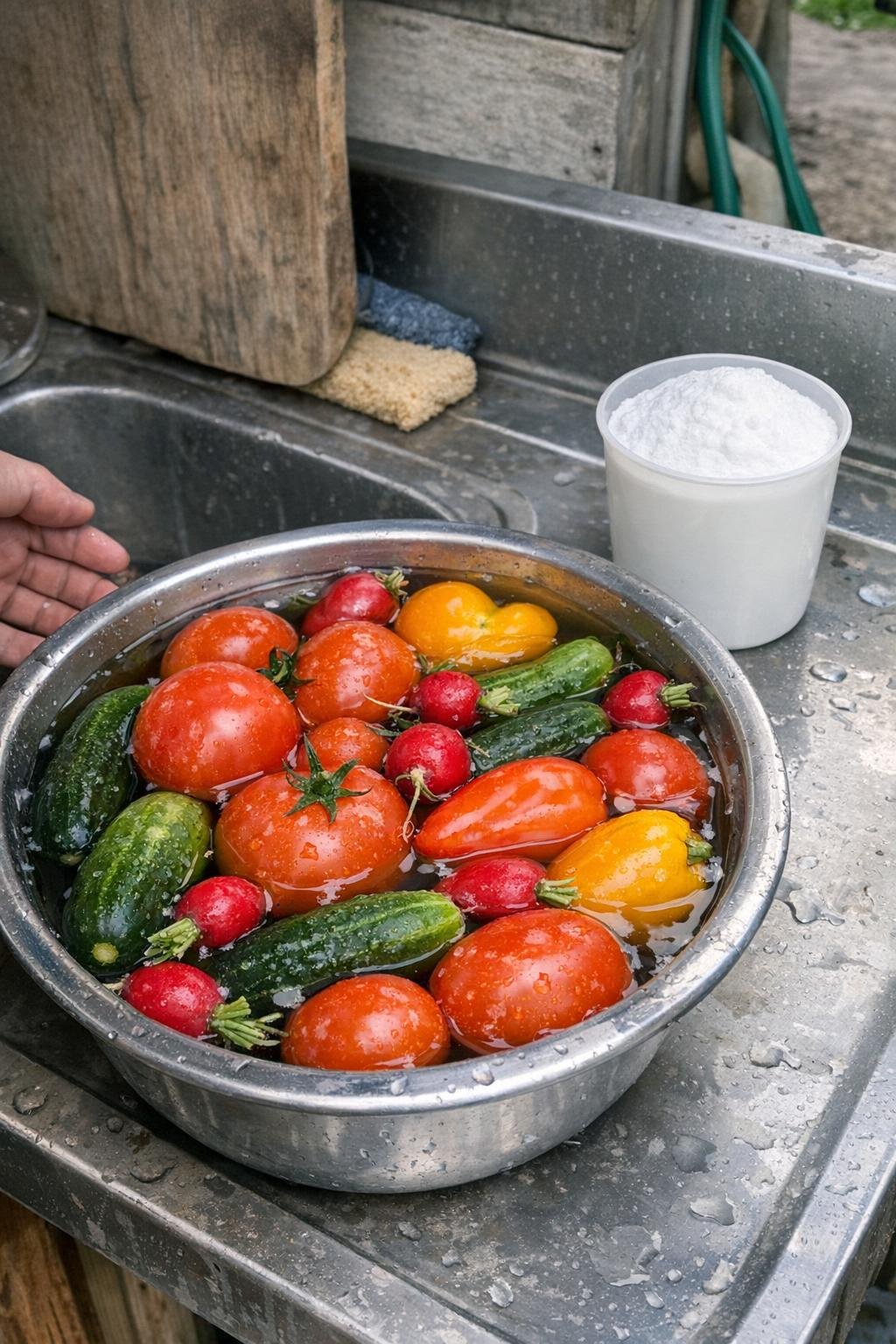
For apples, cucumbers, peppers, and other firm produce from the garden or market, I dissolve 1 teaspoon of baking soda in 2 cups of water and soak the harvest for 10 to 15 minutes. Then I rub gently with my hands, rinse under cool running water, and set everything on a towel to dry.
This is one of those small kitchen habits that makes me feel better about getting off dust and residue before serving snacks to my family. I don’t use it on delicate berries for a long soak, though, because they can turn mushy quickly.
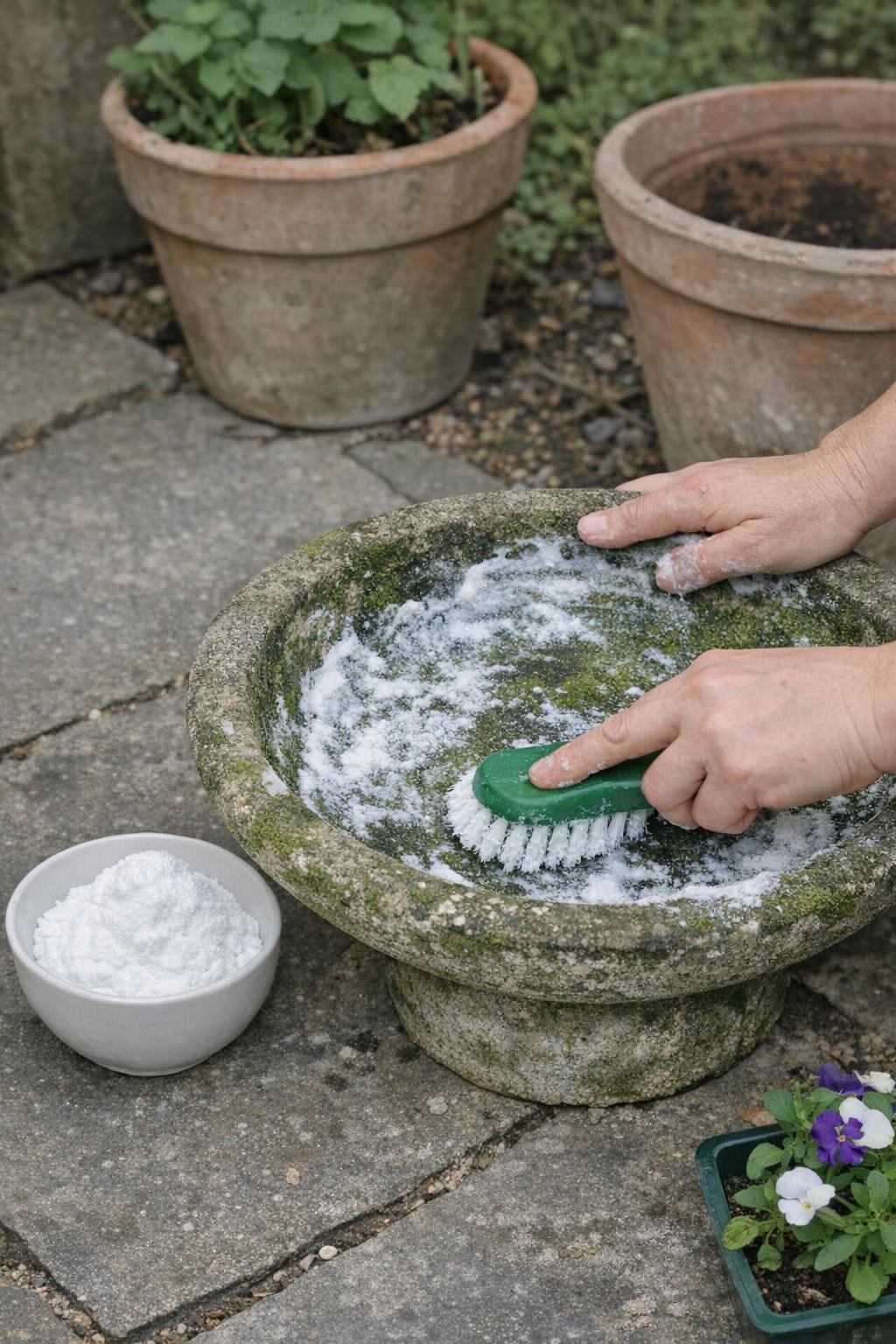
17. Scrub algae off pots, saucers and birdbaths without bleach
For green slick algae on terra-cotta pots, plastic saucers, or a birdbath, I make a paste with 1/2 cup of baking soda and enough water to thicken it, usually 2 to 3 tablespoons. I spread it on, scrub with a brush, let it sit for 10 minutes, then rinse thoroughly. On a birdbath, I rinse several times before refilling.
I like this because it cuts grime without the strong smell of bleach around the yard. If the surface is glazed or painted, I start gently in one spot first so I don’t scratch anything delicate.
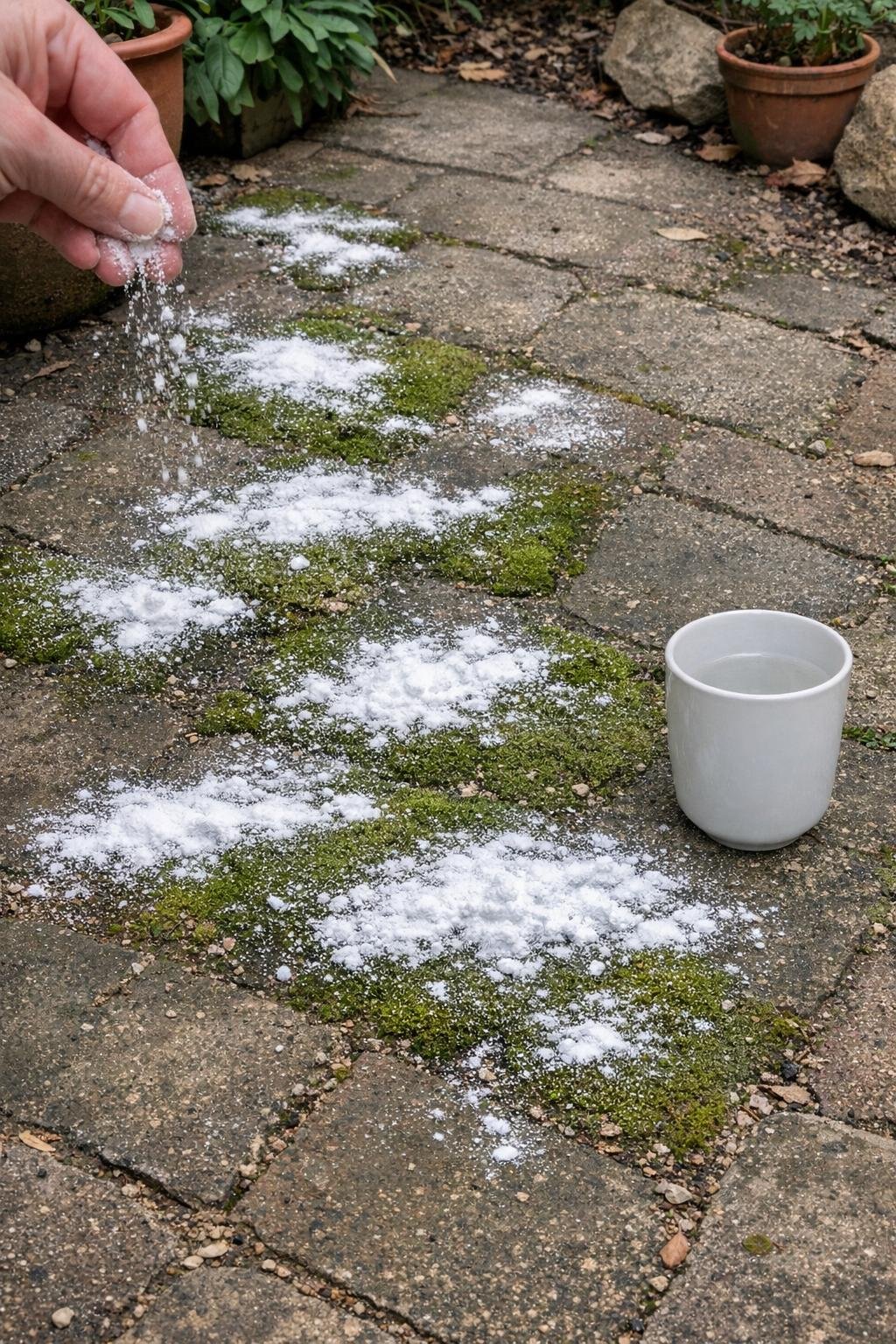
18. Kill moss on paths and patios
When moss starts turning my brick path slick, I dust baking soda directly over the moss until it’s evenly coated. I usually use about 1/4 to 1/2 cup for a small 2-by-3-foot patch. Then I leave it alone for 2 to 3 dry days before sweeping or scraping the loosened moss away.
This is best for hard surfaces, not lawns or planting beds. Keep the powder on the mossy area only, and be careful on windy days so it doesn’t drift onto nearby grass or groundcovers.
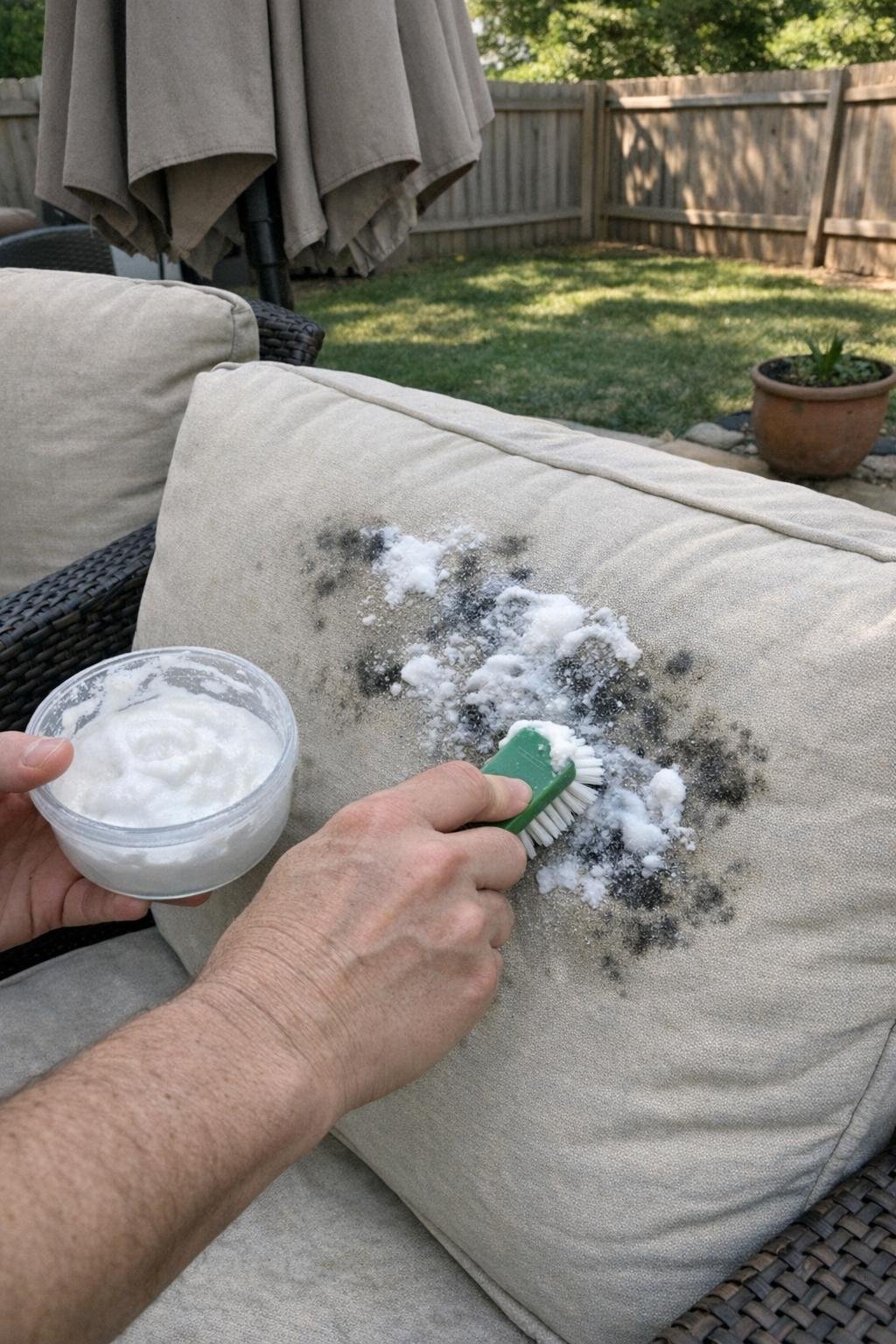
19. Mildew-free cushions, umbrellas and garden furniture
For musty outdoor cushions, umbrella fabric, or plastic garden furniture with mildew spots, I mix a paste of 1/4 cup baking soda and 2 tablespoons water. I spread it over the affected area, let it sit for 15 minutes, scrub gently, and then rinse or wipe clean. On sunny days, I leave the item out to dry fully in direct sun for several hours.
That combination of paste and sunlight does wonders for freshening things up before company comes over. I always test a hidden corner on colored fabric first, and I never put damp cushions back into storage.
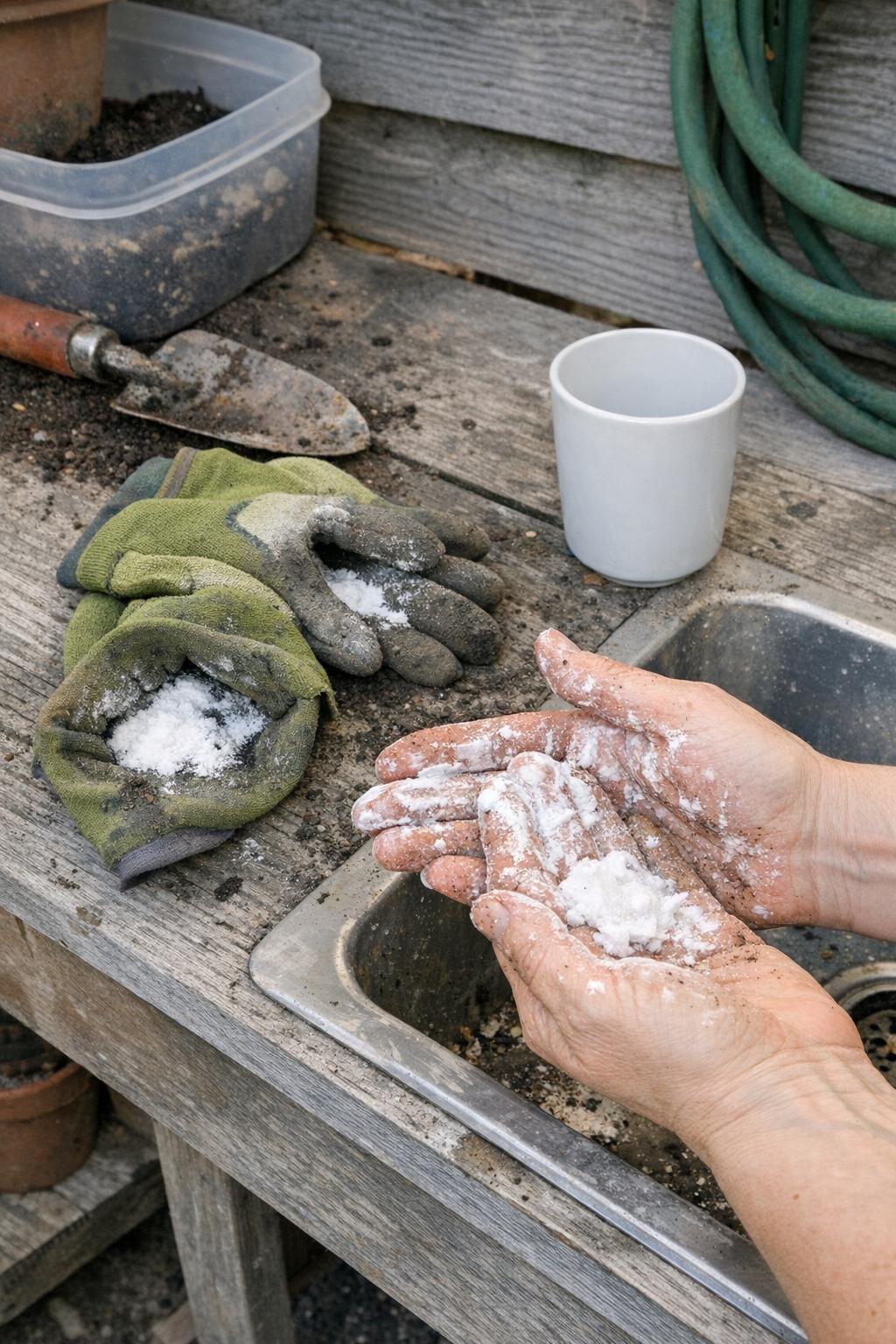
20. Clean and freshen a gardener's hands and gloves
After a day of tomato staking or weeding, I make a quick scrub with 1 tablespoon of baking soda and just enough water or dish soap to form a paste. I rub it over stained hands for 30 seconds, especially around nails, then rinse well and follow with hand cream. For gloves, I sprinkle 1 tablespoon inside each glove, let them sit overnight, and shake them out the next day.
This helps with that earthy smell and the green-brown stains that regular soap sometimes leaves behind. If your skin is cracked or extra sensitive, use a gentle touch and moisturize right after.
Baking soda won’t replace every product in the shed, but for a humble little box, it sure solves a surprising number of garden chores. I keep using it the same way I cook with it too: in measured amounts, with a light hand, and always with a little common sense.